Nova Recovery Center

Addiction

Choosing Rehab in Austin: A Practical Guide

Excellent 4.6 out of 5 434 Google reviews across our locations

  • The Joint Commission
  • NAADAC, the Association for Addiction Professionals
  • Texas Association of Addiction Professionals (TAAP)

Written by

Anna-Grace Washington

Medical Content Writer

Medically reviewed by

Dr. Robert Ulrich, DO

Medical Director

Published October 28, 2025

Austin has the full range of care, from medical detox through residential, PHP and IOP to standard outpatient, so the question is not whether the level you need exists here but how to find it fast. Three entry points do most of the work: FindTreatment.gov to search by ZIP code, 988 for a crisis, and OSAR for free screening and referral. This page explains how treatment in Austin is organized, what each level of care involves, and how to choose between them.

Key takeaways

  • Austin offers a full continuum of care (medical detox, residential/inpatient, PHP, IOP, and standard outpatient) so treatment can match medical and daily‑life needs.
  • Start fast with trusted entry points.Use FindTreatment.gov to scan options, call or text 988 for crisis support, and contact OSAR for free screening and referrals.
  • Care is evidence‑based.Programs commonly use CBT, motivational interviewing, and family work, and many offer medications for alcohol and opioid use disorders.
  • Co‑occurring needs matter.Ask how a program addresses mental health, primary care, and social supports like housing or work.
  • Insurance often applies.Most providers verify benefits; OSAR can connect eligible residents to state‑funded services; many programs have sliding‑scale or self‑pay options.
  • Check quality and safety.Confirm Texas licensure and reputable accreditation, and review staff credentials and emergency protocols.
  • Fit drives results.An assessment should determine level of care; consider schedule, location, and recovery housing.
  • Plan beyond discharge.Strong programs include step‑down care, peer support, and relapse‑prevention planning.
  • Compare before deciding.Visit more than one program, ask detailed questions, and request a written plan and cost estimate.
  • Keep harm‑reduction tools on hand.Naloxone helps prevent opioid overdose while treatment and recovery are underway.

How treatment in Austin is organized

Austin sits within a statewide network of services overseen by Texas Health and Human Services (HHS). Adults can access withdrawal management, residential, outpatient, and medication‑assisted treatment; youth services are also available through HHS.

For a simple starting point, use FindTreatment.gov (search by ZIP code) and the 988 Lifeline for crisis support.


Texas also funds OSAR (Outreach, Screening, Assessment, and Referral). OSAR is a front door for people who want help understanding options, even if they are unsure what level of care they need or how to pay. Central Texas’ community providers (e.g., Bluebonnet Trails) operate OSAR programs.

Levels of care you’ll see in Austin

The right level depends on medical risk, withdrawal needs, mental health, and daily stability.

Austin has the full range of care, from medical detox through residential, PHP and IOP to standard outpatient, so the question is not whether the level you need exists here but how to find it fast. Three entry points do most of the work: FindTreatment.gov to search by ZIP code, 988 for a crisis, and OSAR for free screening and referral. This page explains how treatment in Austin is organized, what each level of care involves, and how to choose between them.

Medical Detox (Withdrawal Management)

Short‑term, medically supervised care that manages alcohol or drug withdrawal. It stabilizes you for the next step in treatment. Detox alone is not treatment; it’s the first stage. If alcohol or drug withdrawal is likely, start with our medical detox in Austin to stabilize before stepping into rehab.

Austin has the full range of care, from medical detox through residential, PHP and IOP to standard outpatient, so the question is not whether the level you need exists here but how to find it fast. Three entry points do most of the work: FindTreatment.gov to search by ZIP code, 988 for a crisis, and OSAR for free screening and referral. This page explains how treatment in Austin is organized, what each level of care involves, and how to choose between them.

Residential / Inpatient Rehab

24/7 structured care in a live‑in setting. Good for higher‑acuity needs, limited support at home, or when triggers are hard to avoid. Many Austin programs pair therapy with skills training and family work. For higher‑acuity needs or limited support at home, explore our residential inpatient rehab in Austin (90‑day) for full‑time structure and care.

More on Residential / Inpatient Rehab

Austin has the full range of care, from medical detox through residential, PHP and IOP to standard outpatient, so the question is not whether the level you need exists here but how to find it fast. Three entry points do most of the work: FindTreatment.gov to search by ZIP code, 988 for a crisis, and OSAR for free screening and referral. This page explains how treatment in Austin is organized, what each level of care involves, and how to choose between them.

Partial Hospitalization Program (PHP)

Daytime treatment (often 5–6 hours per day, several days per week) with evenings at home or in recovery housing. Often used as a step‑down from inpatient or a step‑up from outpatient.

Austin has the full range of care, from medical detox through residential, PHP and IOP to standard outpatient, so the question is not whether the level you need exists here but how to find it fast. Three entry points do most of the work: FindTreatment.gov to search by ZIP code, 988 for a crisis, and OSAR for free screening and referral. This page explains how treatment in Austin is organized, what each level of care involves, and how to choose between them.

Intensive Outpatient Program (IOP)

Structured therapy several days per week while living at home. Works well when medical risk is lower and home is stable. Many Austin providers run local IOP groups. When you need flexibility with strong support, see our Intensive Outpatient Program (IOP) in Austin for schedules and what to expect.

More on Intensive Outpatient Program (IOP)

Austin has the full range of care, from medical detox through residential, PHP and IOP to standard outpatient, so the question is not whether the level you need exists here but how to find it fast. Three entry points do most of the work: FindTreatment.gov to search by ZIP code, 988 for a crisis, and OSAR for free screening and referral. This page explains how treatment in Austin is organized, what each level of care involves, and how to choose between them.

Standard Outpatient and Recovery Supports

Weekly therapy, peer support (AA/NA/DRA, etc.), and recovery coaching. Often paired with medication, primary care, or mental‑health counseling.

Freedom Starts Here. Take Back Your Life Today.

Same-Day Admissions in Austin Available.

What care actually includes

Austin has the full range of care, from medical detox through residential, PHP and IOP to standard outpatient, so the question is not whether the level you need exists here but how to find it fast. Three entry points do most of the work: FindTreatment.gov to search by ZIP code, 988 for a crisis, and OSAR for free screening and referral. This page explains how treatment in Austin is organized, what each level of care involves, and how to choose between them.

Evidence‑based therapies

Programs use approaches such as cognitive behavioral therapy (CBT), motivational interviewing, contingency management, and family‑based therapies. These methods are supported by federal guidance from NIDA and SAMHSA.

Austin has the full range of care, from medical detox through residential, PHP and IOP to standard outpatient, so the question is not whether the level you need exists here but how to find it fast. Three entry points do most of the work: FindTreatment.gov to search by ZIP code, 988 for a crisis, and OSAR for free screening and referral. This page explains how treatment in Austin is organized, what each level of care involves, and how to choose between them.

Medication‑assisted treatment (MAT/MOUD/MAUD)

Medications can treat alcohol use disorder (acamprosate, disulfiram, naltrexone) and opioid use disorder (buprenorphine, methadone, naltrexone). These medications, combined with counseling, reduce cravings and overdose risk. You can search for authorized buprenorphine prescribers by city.

Austin has the full range of care, from medical detox through residential, PHP and IOP to standard outpatient, so the question is not whether the level you need exists here but how to find it fast. Three entry points do most of the work: FindTreatment.gov to search by ZIP code, 988 for a crisis, and OSAR for free screening and referral. This page explains how treatment in Austin is organized, what each level of care involves, and how to choose between them.

Whole‑person and family care

Effective treatment screens for co‑occurring mental health issues and addresses social needs (housing, work, legal). Family education and involvement are common features.

How to choose an Austin program

Austin has the full range of care, from medical detox through residential, PHP and IOP to standard outpatient, so the question is not whether the level you need exists here but how to find it fast. Three entry points do most of the work: FindTreatment.gov to search by ZIP code, 988 for a crisis, and OSAR for free screening and referral. This page explains how treatment in Austin is organized, what each level of care involves, and how to choose between them.

Clinical fit

  • Ask how the program decides level of care (assessment tools, medical review).

  • Confirm they treat your primary substance and any co‑occurring conditions.

  • Request examples of evidence‑based practices and how progress is measured.

Austin has the full range of care, from medical detox through residential, PHP and IOP to standard outpatient, so the question is not whether the level you need exists here but how to find it fast. Three entry points do most of the work: FindTreatment.gov to search by ZIP code, 988 for a crisis, and OSAR for free screening and referral. This page explains how treatment in Austin is organized, what each level of care involves, and how to choose between them.

Safety and quality

  • Look for Texas‑licensed Chemical Dependency Treatment Facilities and reputable accreditation.

  • Ask about medical coverage, emergency protocols, and staff credentials.

Austin has the full range of care, from medical detox through residential, PHP and IOP to standard outpatient, so the question is not whether the level you need exists here but how to find it fast. Three entry points do most of the work: FindTreatment.gov to search by ZIP code, 988 for a crisis, and OSAR for free screening and referral. This page explains how treatment in Austin is organized, what each level of care involves, and how to choose between them.

Practical details

  • Location, transportation, availability of evening or virtual options.

  • Recovery housing or sober‑living referrals after discharge.

  • Visit more than one program when possible.

Austin has the full range of care, from medical detox through residential, PHP and IOP to standard outpatient, so the question is not whether the level you need exists here but how to find it fast. Three entry points do most of the work: FindTreatment.gov to search by ZIP code, 988 for a crisis, and OSAR for free screening and referral. This page explains how treatment in Austin is organized, what each level of care involves, and how to choose between them.

Cost and payment

  • Many providers verify benefits and work with major insurers.

  • Texas‑funded services and sliding‑scale options are available for eligible residents.

Paying for rehab in Austin

Austin has the full range of care, from medical detox through residential, PHP and IOP to standard outpatient, so the question is not whether the level you need exists here but how to find it fast. Three entry points do most of the work: FindTreatment.gov to search by ZIP code, 988 for a crisis, and OSAR for free screening and referral. This page explains how treatment in Austin is organized, what each level of care involves, and how to choose between them.

Insurance

Employer plans, Marketplace policies, and many Medicaid/Medicare plans include addiction treatment benefits. Austin providers commonly help verify coverage and explain in‑network options.

More on Insurance

Austin has the full range of care, from medical detox through residential, PHP and IOP to standard outpatient, so the question is not whether the level you need exists here but how to find it fast. Three entry points do most of the work: FindTreatment.gov to search by ZIP code, 988 for a crisis, and OSAR for free screening and referral. This page explains how treatment in Austin is organized, what each level of care involves, and how to choose between them.

State‑supported paths

If you lack insurance or have limited means, contact OSAR. Counselors screen, assess, and refer you to state‑funded detox, residential, or outpatient care when you qualify. You can also dial 2‑1‑1 Texas for help navigating local options.

Austin has the full range of care, from medical detox through residential, PHP and IOP to standard outpatient, so the question is not whether the level you need exists here but how to find it fast. Three entry points do most of the work: FindTreatment.gov to search by ZIP code, 988 for a crisis, and OSAR for free screening and referral. This page explains how treatment in Austin is organized, what each level of care involves, and how to choose between them.

Private pay and sliding scale

Some providers offer self‑pay packages and sliding‑scale fees. Ask for a written estimate that covers assessment, clinical services, and medications.

What to expect, step by step

Austin has the full range of care, from medical detox through residential, PHP and IOP to standard outpatient, so the question is not whether the level you need exists here but how to find it fast. Three entry points do most of the work: FindTreatment.gov to search by ZIP code, 988 for a crisis, and OSAR for free screening and referral. This page explains how treatment in Austin is organized, what each level of care involves, and how to choose between them.

Intake and assessment

You begin with a clinical assessment to determine the right level of care and build a personalized plan. Screening typically covers substance use history, mental health, medications, and safety.

Austin has the full range of care, from medical detox through residential, PHP and IOP to standard outpatient, so the question is not whether the level you need exists here but how to find it fast. Three entry points do most of the work: FindTreatment.gov to search by ZIP code, 988 for a crisis, and OSAR for free screening and referral. This page explains how treatment in Austin is organized, what each level of care involves, and how to choose between them.

A structured day

Depending on level, your day may include group therapy, individual sessions, medication management, skill practice, and wellness activities. Residential programs add supervised living and structured routines; PHP/IOP programs run in blocks while you live at home.

Austin has the full range of care, from medical detox through residential, PHP and IOP to standard outpatient, so the question is not whether the level you need exists here but how to find it fast. Three entry points do most of the work: FindTreatment.gov to search by ZIP code, 988 for a crisis, and OSAR for free screening and referral. This page explains how treatment in Austin is organized, what each level of care involves, and how to choose between them.

Aftercare and relapse prevention

Effective programs plan for what happens after treatment: step‑down care, recovery housing, peer meetings, family supports, and continued medication when indicated.

How Nova Recovery Center Supports Alcohol Recovery in Austin

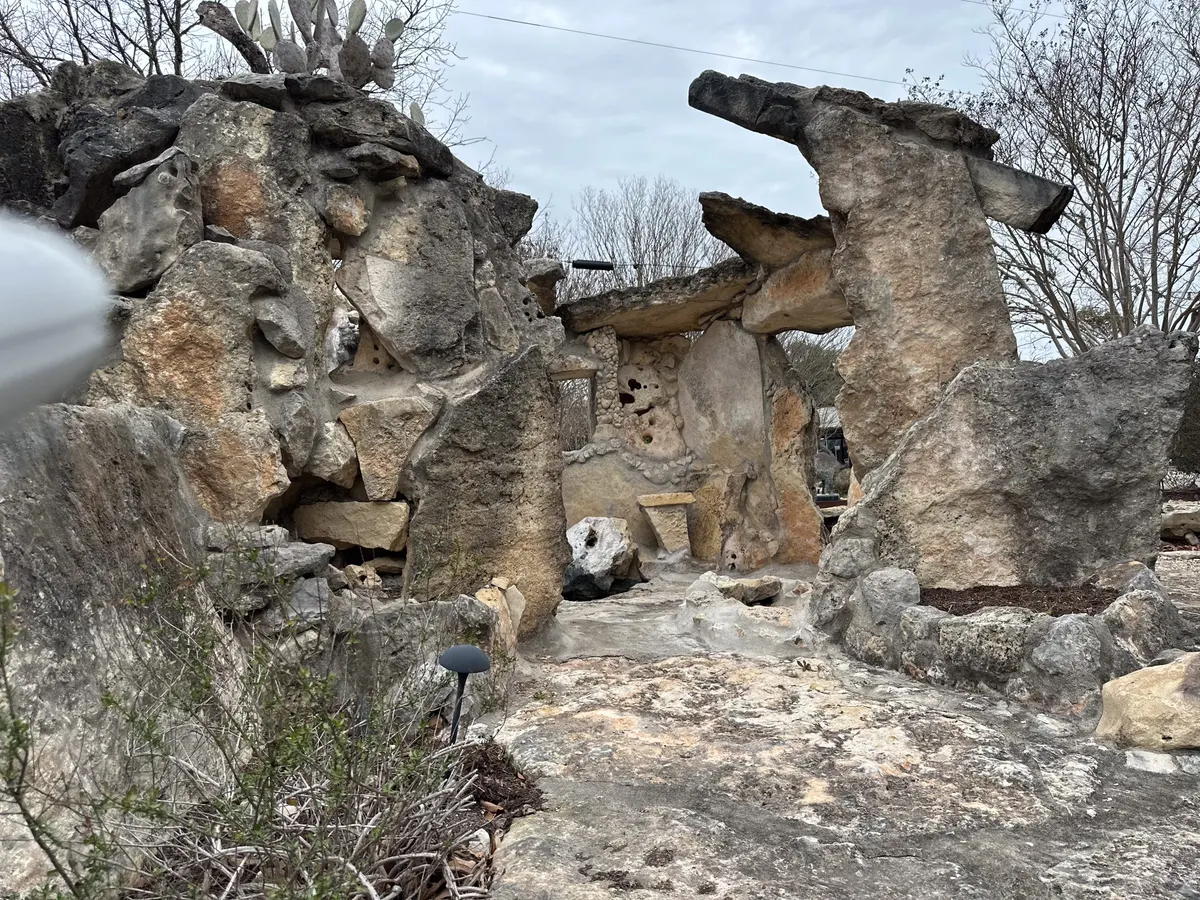
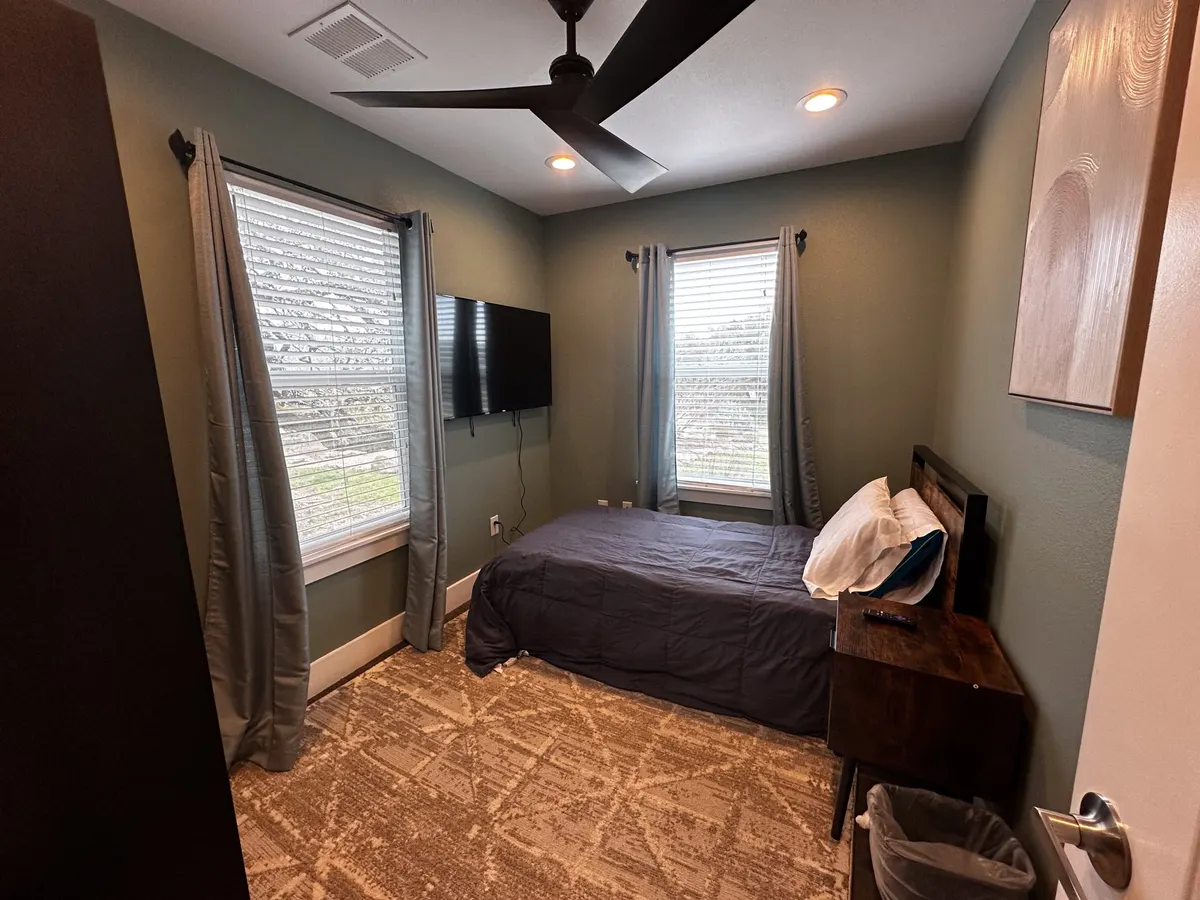
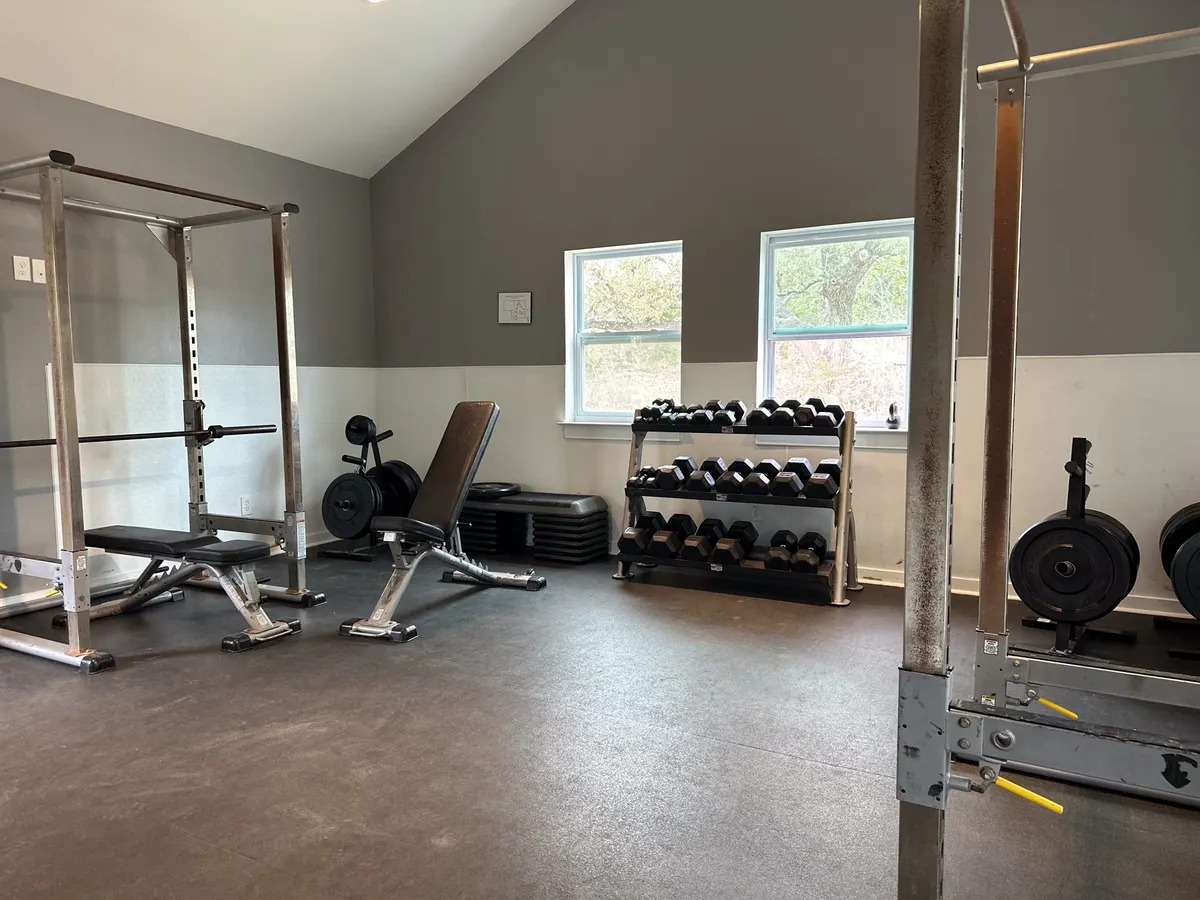
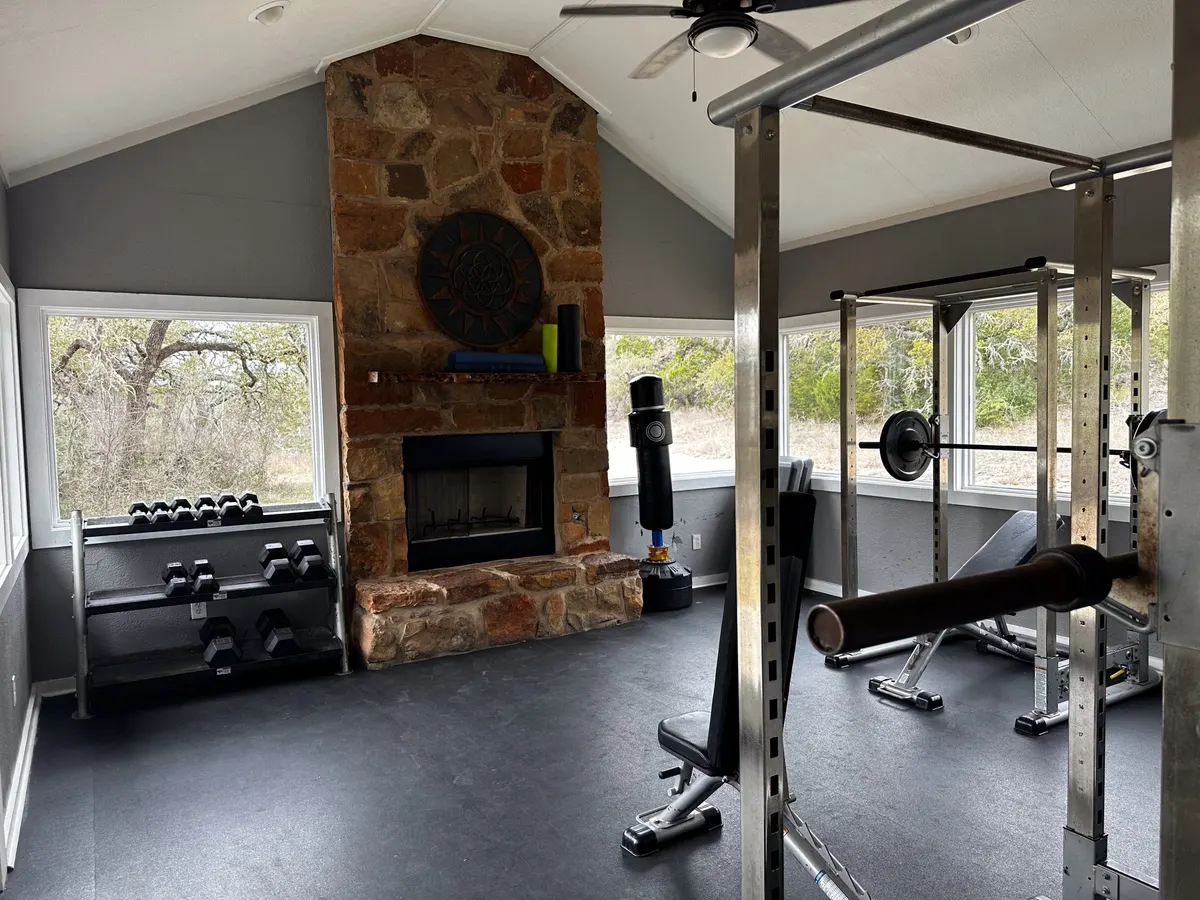
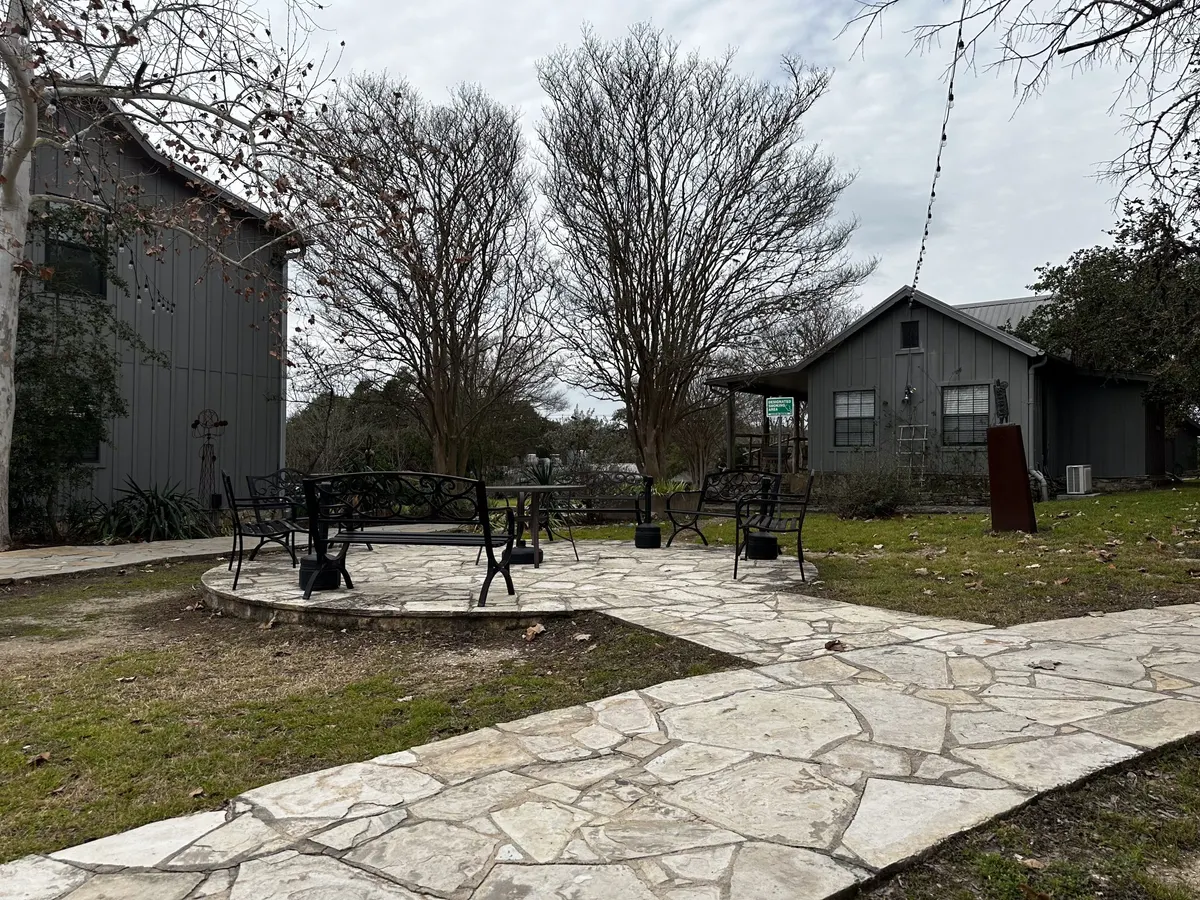
Nova Recovery Center offers a clear path for people in Austin who want help with alcohol addiction. If withdrawal is a concern, they coordinate 24/7 medically supervised detox in Austin through their sister program, Briarwood Detox Center, and provide a direct hand‑off into treatment.  For those who need more structure, the Wimberley campus runs a 90‑day residential program that blends individual and group therapy, relapse‑prevention work, and family involvement.  When life requires flexibility, the Austin intensive outpatient program typically lasts about eight weeks and offers day and evening groups. Nova Recovery Center Near Austin Texas Across levels of care, clinicians use evidence‑based methods such as cognitive behavioral therapy, dialectical behavior therapy, contingency management, and 12‑step facilitation.  When appropriate, medication‑assisted treatment can be added for alcohol use disorder, using options like naltrexone or acamprosate, alongside counseling. After residential or IOP, Nova helps maintain momentum with step‑down care and connections to sober‑living homes in Austin. Admissions staff can verify insurance and, when space allows, arrange same‑day starts to reduce delays. Put together, these services offer a practical route from detox to long‑term stability for people seeking help with alcohol addiction.

Other Drug and Alcohol Rehab Locations

  • Drug Detox in Austin, Texas →

  • Drug Detox in San Antonio, Texas →

  • Drug Detox in Houston, Texas →

Medical Disclaimer

The information on this page is intended for educational and informational purposes only and should not be used as a substitute for professional medical advice, diagnosis, or treatment. Addiction and substance abuse concerns should always be evaluated and managed by qualified healthcare professionals. Do not start, stop, or modify any prescribed medication or treatment plan without consulting your doctor or a licensed medical provider. If you experience severe withdrawal symptoms, worsening health issues, or thoughts of self-harm, call 911 immediately. For free and confidential emotional support, contact the 988 Suicide & Crisis Lifeline, available 24 hours a day in the United States.

Frequently Asked Questions About Austin Alcohol & Drug Rehab

How long is alcohol rehab?

Program length varies by need and level of care. Many programs run 30, 60, or 90 days, with longer stays used for complex cases or step‑down care. Evidence‑based guidance emphasizes matching intensity to clinical needs rather than a fixed number of days.

What actually happens in rehab?

Treatment usually includes an assessment, a structured daily schedule, individual and group therapy, education, relapse‑prevention planning, and coordinated aftercare. Residential programs provide 24/7 support; outpatient programs deliver similar services on a part‑time basis.

What happens in detox?

Medical detox manages withdrawal and monitors safety. You’ll be evaluated, stabilized, and prepared for ongoing treatment. Detox is a first step, not a complete treatment plan.

Does insurance cover alcohol and drug rehab?

Most health plans include benefits for substance use disorder treatment, but coverage and out‑of‑pocket costs vary by plan, network, and level of care. Verify benefits with your insurer and the treatment provider.

Can I keep my job while in treatment?

Many people use intensive outpatient (IOP) or standard outpatient programs so they can keep working or attending school while receiving care. Ask about evening or virtual options.

How much does rehab cost?

Costs range widely. In general, outpatient programs cost less than residential care; final costs depend on length of stay, services, and insurance coverage. Request a written estimate from the provider.

Can someone be forced into rehab?

For adults, involuntary treatment depends on state law and specific safety criteria. For minors, parents/guardians have broader authority to consent to treatment. Consult local regulations before acting.

How do I find alcohol and drug rehab near me (including in Austin)?

Use FindTreatment.gov to filter by location, payment options, and level of care. In Texas, you can also contact state services to learn about local and funded options.

How do I choose a quality alcohol treatment program?

Look for programs that use evidence‑based therapies, track outcomes, involve family when appropriate, and are licensed/accredited. NIAAA’s Navigator lists key questions to ask providers.

What medications are used for alcohol or opioid addiction?

For alcohol use disorder, FDA‑approved options include naltrexone, acamprosate, and disulfiram. For opioid use disorder, medications include buprenorphine, methadone, and naltrexone; these are most effective when combined with counseling.

Does Texas offer state‑funded treatment?

Yes. Texas Health and Human Services supports adult substance‑use services (e.g., withdrawal management, residential, outpatient, and medication‑assisted treatment). Eligibility and availability vary; contact the state or local providers for details.

What clients say

Trusted by clients across Texas

4.6 from 434 Google reviews across 9 locations

Across Nova Recovery Center, Briarwood Detox Center and Eudaimonia Recovery Homes

  • ★★★★★

    “Nova is far from perfect, and some of the information can be misleading. But if you want to cover the 12 Steps while enjoying good food and a beautiful scenic view, this is the place for you. The…”

    Wade III

    10 months ago · Wimberley

  • ★★★★★

    “I did 90 days at Nova Recovery 6 years ago. I am still sober today. And living a life I could have never imagined. The people and the program they are running impacted me for a lifetime. Better than…”

    megan minasi

    2 years ago · Wimberley

  • ★★★★★

    “I went to Nova almost 9 months ago and I wouldn’t change it for the world. The staff when I first entered were very nice and welcoming. As a 19 year old that didn’t know what I was getting myself…”

    Brianna Velaney

    2 years ago · Austin

  • ★★★★★

    “Nova Recovery Center has been an invaluable part of my journey to sobriety. The intensive inpatient program, coupled with the unwavering support and guidance from my recovery specialist, Mark Rector…”

    Jake Smolt

    2 years ago · Austin

  • ★★★★★

    “I had such a positive experience at Nova Recovery in Wimberley! The staff genuinely cares and went above and beyond to support me every step of the way. The peaceful setting made it easier to focus…”

    Jeffrey Villasis

    a year ago · Wimberley

  • ★★★★★

    “I love Nova so freaking much. Nova has saved my life in more ways than one. I was hopeless and had no solution suffering from this disease. The staff there never gave up on me. I was the worst client…”

    Sierra Watts

    2 years ago · Austin

  • ★★★★★

    “I know Mark rector is non-binary however it saved my life and it did a good job with CPR and I don't know how aside from staying sober I could ever repay it thank you Mr or Mrs or whatever you're…”

    Logan S

    8 months ago · Austin

  • ★★★★★

    “It's been a few years since I was a patient at Nova Recovery Center. Recently I have been reflecting on my time there and how incredibly grateful I am for the experience I had. I have been to 7 rehab…”

    Jeff Lochridge

    2 years ago · Austin

Talk to someone today

Ready when you are

Admissions are answered 24 hours a day by a person, not a queue. We will check your benefits for free and tell you what treatment would actually cost.

Free and confidential · No obligation

Call (512) 605-2955