
Addiction
Hangxiety Cure: Stop Anxiety After Drinking
Excellent 4.6 out of 5 434 Google reviews across our locations





Published October 19, 2025
Reviewed and updated August 5, 2026
Key Takeaways
- Hangxiety is common: Anxiety the day after drinking happens because of brain chemistry rebound, poor sleep, dehydration, and low blood sugar.
- Symptoms vary: They can include restlessness, racing heart, nausea, brain fog, and in some cases, still feeling off two days later.
- No instant cure: There is no single hangxiety cure, but hydration, balanced meals, rest, gentle movement, and breathing exercises can ease symptoms.
- Avoid quick fixes: “Hair of the dog” and excess caffeine usually make symptoms worse, not better.
- Prevention helps: Eat before drinking, pace alcohol, alternate with water, and get enough sleep to lower the risk.
- When to seek care: Contact a healthcare provider if anxiety lasts more than two days, is severe, or comes with physical warning signs like seizures, confusion, or trouble breathing.
- Support is available: If hangxiety is frequent or tied to heavy drinking, professional support and therapy can address both anxiety and alcohol use.
What is hangxiety?
Hangxiety is the wave of anxiety that shows up the day after drinking; it is part of a hangover and can include worry, dread, and a fast heartbeat, along with irritability and trouble focusing that can feel out of proportion to the situation. The feelings can be mild or intense and may last for a day, yet for some people the symptoms linger into the second day, especially after poor sleep or heavier drinking.



Why the word matters
Naming the feeling helps you make sense of it, and when you know that anxiety after drinking has a name and a predictable pattern, it is easier to treat it as a short‑term state rather than a personal failure, which keeps you from reacting in ways that make symptoms worse.
Hangxiety symptoms
People describe hangxiety as a mix of emotional and physical signals: restlessness, worry, dread, and rumination; shakiness, sweating, a fast pulse, chest tightness, and lightheadedness; poor sleep with morning fatigue and brain fog; nausea and headache with sensitivity to light or sound; and, for some, the sense of still feeling weird two days after drinking. These symptoms often come and go through the day, and they can be amplified by social stress or by thinking about what happened the night before.
Freedom Starts Here. Take Back Your Life Today.
Same-Day Admissions in Austin Available.
Seek emergency care if you or someone you are with has confusion, seizures, slow or irregular breathing, blue/gray skin, cannot be woken, or has signs of alcohol poisoning; those signs point to a medical emergency rather than simple hangxiety.
Why anxiety the day after drinking happens
Alcohol acts on brain systems that regulate calm and stress. During drinking your brain leans toward calm; afterward the balance swings the other way, and that rebound, combined with sleep loss, dehydration, and low blood sugar, creates anxiety the next day.
Brain chemistry rebound
While you drink, the inhibitory chemical GABA is boosted and the excitatory chemical glutamate is quieted, which explains why you feel relaxed and uninhibited; when alcohol wears off, your brain tries to regain balance by lowering the GABA effect and increasing glutamate, a shift that can leave you wired, shaky, and anxious. Stress hormones such as cortisol can also surge as your body clears alcohol, adding a sense of inner restlessness.
How long hangxiety lasts
For many people, hangxiety peaks when blood alcohol returns to zero and fades within 24 hours. The exact window depends on how much you drank, your sleep, your size, your hydration, and your baseline anxiety; if you still feel weird 2 days after drinking, it may be a mix of poor sleep, dehydration, and stress, or it may reflect mild withdrawal in people who drink heavily or often, so treat it with care and monitor your symptoms.
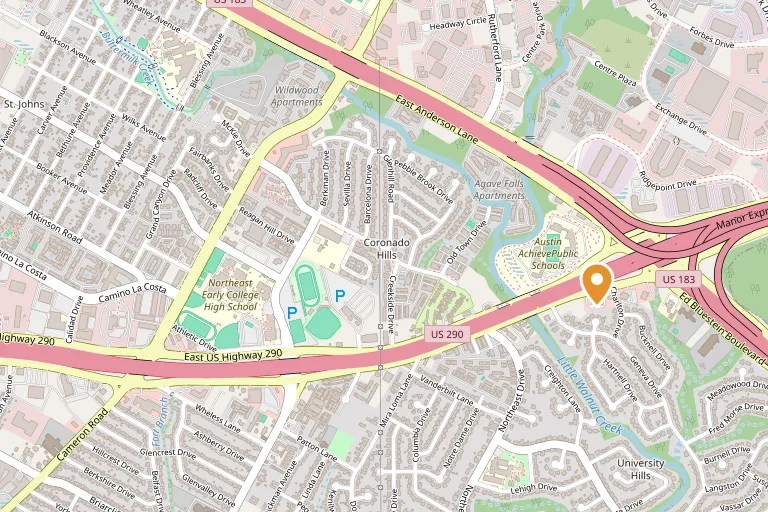
Outpatient
Nova Recovery Center Drug and Alcohol Rehab - Austin, TX
7501 E Hwy 290, Austin, TX 78752
Still feel weird 2 days after drinking?
Two days of lingering symptoms are common after a late night, heavy pours, or disrupted sleep. Hydration, food, rest, and gentle movement usually help by day two, yet if symptoms persist or you drink heavily most days, the feelings may be related to withdrawal; get medical advice, especially if you notice shaking, sweating, a fast pulse, or rising anxiety that does not ease. If symptoms persist or you drink heavily most days, the feelings may be related to withdrawal (see the alcohol withdrawal symptoms and timeline), so treat it with care and monitor your symptoms.
When to seek help
Consider help if hangxiety is frequent, severe, or pushes you to drink again. Reach out if anxiety lasts more than a couple of days, disrupts daily life, or comes with panic, depression, or thoughts of self‑harm; a therapist can teach coping skills and help with alcohol goals, and a primary care clinician can review medicines and check for health causes. If you need supervised care, learn how medical alcohol detox in Austin works and what to expect.
Support options
Talk therapy such as CBT, skills training in sleep, stress, and emotion regulation, and, when appropriate, medication prescribed by a clinician can all help; many people also benefit from community resources and confidential helplines that can point you to care in your area.
How Nova Recovery Center Supports Lasting Recovery from Alcohol Addiction
Nova Recovery Center provides comprehensive support for individuals struggling with alcohol addiction and abuse through evidence-based treatment and a full continuum of care. Our program begins with medically supervised detox to ensure safety and comfort during withdrawal, followed by residential rehab, intensive outpatient programs, and sober living options for long-term stability. Each client receives an individualized treatment plan designed to address the physical aspects of addiction and the emotional, mental, and behavioral patterns that sustain it. At Nova, we focus on equipping clients with practical tools for relapse prevention, coping strategies for anxiety and stress, and skills to rebuild healthy routines. Therapy options include cognitive-behavioral therapy, educational lectures, and peer support, all aimed at fostering personal growth and accountability. For many clients, unresolved mental health concerns contribute to alcohol misuse, which is why we provide integrated care to address co-occurring disorders. Our supportive community and structured environment help individuals practice sober living in real-world situations, which increases long-term success. With compassionate staff, proven methods, and a strong alumni network, Nova Recovery Center helps clients break free from alcohol abuse and create a fulfilling, sober life.
Frequently Asked Questions About Hangxiety
Why do I feel anxious the day after drinking?
Alcohol first boosts calming GABA signaling and dampens glutamate; when it wears off, the brain rebounds in the opposite direction. Add poor sleep, dehydration, and low blood sugar, and anxiety the day after drinking (often called hangxiety) is common.
How long does hangxiety last?
Symptoms usually peak when your blood alcohol level returns to zero and often improve within about 24 hours, though they can last longer depending on how much you drank and individual factors.
Is there a hangxiety cure?
There’s no medical “cure”; time, hydration, food, rest, and low‑stimulation recovery are the mainstays. Avoid quick‑fix myths, evidence‑based sources stress that patience and supportive care work better than gimmicks.
Does “hair of the dog” help hangxiety?
No. Having more alcohol may briefly blunt symptoms but can prolong or worsen the overall hangover and anxiety response.
What are common hangxiety symptoms?
Restlessness, worry, rumination, disturbed sleep, rapid heartbeat, sweating, nausea, headache, and sensitivity to light or sound are all reported hangover symptoms, many people also notice next‑day mood dips.
How do I get rid of hangxiety fast?
Rehydrate on a schedule, eat a simple balanced meal, and rest in a quiet, dim space. A short easy walk and slow breathing can help settle the nervous system while your body recovers.
Which is safer for a hangover headache: ibuprofen or acetaminophen?
NSAIDs (e.g., ibuprofen) can help aches but may irritate the stomach; avoid acetaminophen with or after heavy drinking because it can stress the liver. Always follow label directions and consider interactions with your medicines.
Will drinking water and electrolytes reduce hangxiety?
Yes. Alcohol is a diuretic, and fluids (water or an electrolyte beverage) address dehydration‑related symptoms that can amplify anxiety. Electrolytes aren’t a cure but can be part of supportive care.
Does sleep actually help?
Improving sleep and giving yourself time to recover helps because alcohol fragments REM and deep sleep, which raises next‑day anxiety and fatigue. Aim for a cool, dark room and minimal screens.
Should I exercise if I have hangxiety?
Light movement (like a brief walk) can ease tension and lift mood; skip intense workouts until you’re rehydrated and feeling steadier.
Why do I still feel weird two days after drinking?
Lingering symptoms into day two can follow heavy drinking or poor sleep; most cases improve with hydration, food, and rest. Persistent or worsening symptoms (especially shaking, rapid heartbeat, or severe anxiety) may reflect mild withdrawal and warrant medical advice.
How can I stop anxiety after drinking alcohol next time?
Before and during drinking, eat a meal, pace at about one drink per hour, alternate alcohol with water, and set a personal limit. Reducing overall intake and prioritizing sleep are reliable prevention steps.
When should I see a doctor or seek urgent help?
Seek urgent care for warning signs like confusion, seizures, slow or irregular breathing, blue or very pale skin, or a person who can’t be woken. If post‑drinking anxiety is frequent, lasts beyond two days, or leads you to drink again to cope, contact a clinician.
Other Drug and Alcohol Rehab Locations
Drug & Alcohol Rehab in Austin, Texas
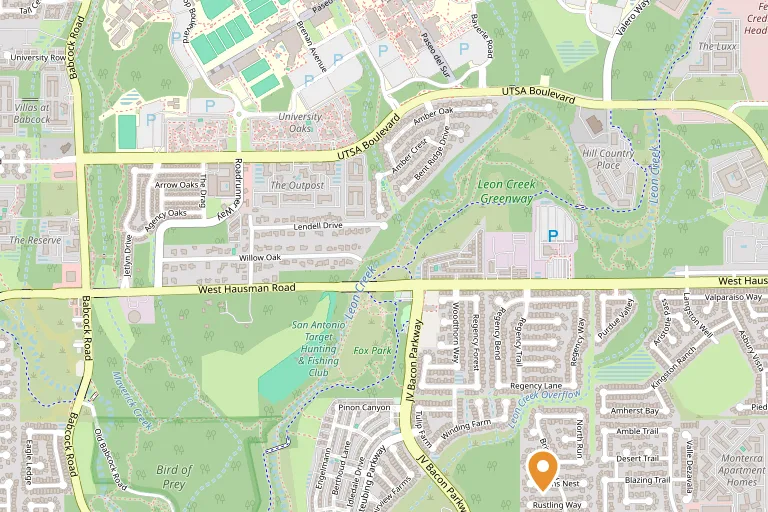
Outpatient
Nova Recovery Center Drug and Alcohol Rehab - San Antonio, TX
6707 W Hausman Rd, San Antonio, TX 78249
Drug & Alcohol Rehab in San Antonio, Texas
Medical Disclaimer
The information provided on this page is intended for educational purposes only and should not replace professional medical advice, diagnosis, or treatment. If you are experiencing anxiety after drinking or ongoing hangxiety symptoms, consult a qualified healthcare provider for guidance. Do not start, stop, or change any prescription medications without medical supervision. If you experience severe reactions, worsening mental health symptoms, or thoughts of self-harm, call 911 immediately in the United States or seek urgent medical care. For confidential mental health support, you can dial 988 to reach the Suicide & Crisis Lifeline, available 24/7.
Nova Recovery Center Editorial Guidelines
By instituting a policy, we create a standardized approach to how we create, verify, and distribute all content and resources we produce. An editorial policy helps us ensure that any material our writing and clinical team create, both online and in print, meets or exceeds our standards of integrity and accuracy. Our goal is to demonstrate our commitment to education and patient support by creating valuable resources within our realm of expertise, verifying them for accuracy, and providing relevant, respectful, and insightful data to our clients and families.
References
- National Institute on Alcohol Abuse and Alcoholism. (2021, March). Hangovers. National Institute on Alcohol Abuse and Alcoholism. Retrieved October 4, 2025, from https://www.niaaa.nih.gov/publications/brochures-and-fact-sheets/hangovers.
- Cleveland Clinic. (2024, January 22). Hangover: Symptoms, remedies & prevention. Cleveland Clinic. Retrieved October 4, 2025, from https://my.clevelandclinic.org/health/diseases/16627-hangover.
- Drinkaware. (2025, May 2). Alcohol and hangxiety. Drinkaware. Retrieved October 4, 2025, fromhttps://www.drinkaware.co.uk/facts/health-effects-of-alcohol/mental-health/alcohol-and-hangxiety.
- Sleep Foundation. (2025, July 16). Alcohol and sleep. Sleep Foundation. Retrieved October 4, 2025, fromhttps://www.sleepfoundation.org/nutrition/alcohol-and-sleep.
- Centers for Disease Control and Prevention. (2025, January 14). About moderate alcohol use. CDC. Retrieved October 4, 2025, from https://www.cdc.gov/alcohol/about-alcohol-use/moderate-alcohol-use.html.
- Substance Abuse and Mental Health Services Administration. (2024, October 24). Helplines: Mental health, drug, alcohol issues. SAMHSA. Retrieved October 4, 2025, from https://www.samhsa.gov/find-help/helplines.
- 988 Suicide & Crisis Lifeline. (n.d.). If you need to talk, the 988 Lifeline is here. 988lifeline.org. Retrieved October 4, 2025, from https://988lifeline.org/
What clients say
Trusted by clients across Texas
4.6 from 434 Google reviews across 9 locations
Across Nova Recovery Center, Briarwood Detox Center and Eudaimonia Recovery Homes
★★★★★
“Nova is far from perfect, and some of the information can be misleading. But if you want to cover the 12 Steps while enjoying good food and a beautiful scenic view, this is the place for you. The…”
10 months ago · Wimberley
★★★★★
“I did 90 days at Nova Recovery 6 years ago. I am still sober today. And living a life I could have never imagined. The people and the program they are running impacted me for a lifetime. Better than…”
2 years ago · Wimberley
★★★★★
“I went to Nova almost 9 months ago and I wouldn’t change it for the world. The staff when I first entered were very nice and welcoming. As a 19 year old that didn’t know what I was getting myself…”
2 years ago · Austin
★★★★★
“Nova Recovery Center has been an invaluable part of my journey to sobriety. The intensive inpatient program, coupled with the unwavering support and guidance from my recovery specialist, Mark Rector…”
2 years ago · Austin


★★★★★
“I had such a positive experience at Nova Recovery in Wimberley! The staff genuinely cares and went above and beyond to support me every step of the way. The peaceful setting made it easier to focus…”
a year ago · Wimberley
★★★★★
“I love Nova so freaking much. Nova has saved my life in more ways than one. I was hopeless and had no solution suffering from this disease. The staff there never gave up on me. I was the worst client…”
2 years ago · Austin
★★★★★
“I know Mark rector is non-binary however it saved my life and it did a good job with CPR and I don't know how aside from staying sober I could ever repay it thank you Mr or Mrs or whatever you're…”
8 months ago · Austin
★★★★★
“It's been a few years since I was a patient at Nova Recovery Center. Recently I have been reflecting on my time there and how incredibly grateful I am for the experience I had. I have been to 7 rehab…”
2 years ago · Austin


Keep reading
- Withdrawal Symptoms Drinking: What to Expect & How to Get Help
- Inpatient vs. Outpatient Rehab in Austin, Texas: How to Choose the Right Program
- Medically Supervised Alcohol Detox in Austin: What to Expect and Insurance Coverage
- Inpatient vs Outpatient Rehab in Austin: How to Choose the Right Program for Alcohol Addiction
Talk to someone today
Ready when you are
Admissions are answered 24 hours a day by a person, not a queue. We will check your benefits for free and tell you what treatment would actually cost.
Free and confidential · No obligation