Addiction
Short-Term Effects of Heroin: What You Need to Know
Excellent 4.6 out of 5 434 Google reviews across our locations





Published September 2, 2025
Reviewed and updated August 5, 2026
Heroin is a powerful opioid derived from morphine, a natural substance found in certain types of poppy plants. It is illegal, highly addictive, and associated with a wide range of harmful health consequences. Many people first experiment with heroin without understanding how dangerous it can be, even in the short term.









This article explains the short-term effects of heroin on the body and brain, what heroin feels like, and why it is so addictive. It will also explore the negative effects, symptoms, and signs of addiction so readers can recognize the dangers and seek help.
What Does Heroin Do to the Brain?
Heroin enters the brain quickly and binds to opioid receptors, especially those involved in feelings of pain and pleasure. These receptors also regulate heart rate, breathing, and sleeping.
Once it binds to these receptors, heroin floods the brain with dopamine, producing an intense rush of euphoria. This is often what makes heroin so addictive, the brain begins to crave that pleasurable sensation, and tolerance develops rapidly.
Over time, the brain’s reward system is rewired, making it increasingly difficult to experience pleasure from anything other than heroin. This is why many people ask, “why is heroin so addictive?”
What Does Heroin Feel Like?
Users describe heroin’s initial effects as a “rush” of intense euphoria, warmth, and relaxation. This sensation can happen within seconds of injecting the drug or within minutes when smoked or snorted.
However, this initial high quickly fades, leaving behind heavy drowsiness and clouded thinking. The “nodding” phase, where users slip in and out of consciousness, is a dangerous state that can lead to overdose.
So while people may chase that initial high, the reality is that heroin produces short-term effects that carry severe health risks.
Short-Term Effects of Heroin on the Body
Even a single use of heroin can cause noticeable changes in the body. Some of the most common short-term effects of heroin include:
- EuphoriaA surge of pleasure and relaxation.
- DrowsinessExtreme sleepiness, sometimes referred to as “on the nod.”
- Slowed breathingRespiratory depression, which can be life-threatening.
- Constricted pupilsA telltale sign of opioid use.
- Itchy skinCaused by histamine release in the body.
- Dry mouthA common and uncomfortable side effect.
- Nausea and vomitingHeroin irritates the stomach lining.
- Slowed heart rate and blood pressureThis can put users at risk of collapse.
Even when these effects do not seem severe, they can quickly escalate to dangerous complications.

Freedom Starts Here. Take Back Your Life Today.
Same-Day Admissions in Austin Available.
Short-Term Effects of Heroin on the Brain
The heroin function in the brain is to depress the central nervous system, which slows both mental and physical processes. Some short-term brain effects include:
- Clouded mental functioningDifficulty concentrating or making decisions.
- Impaired coordinationIncreased risk of accidents or injuries.
- Confusion and disorientationUsers may lose awareness of their surroundings.
- Reduced response to painA temporary numbing effect that increases risk of injury.
These brain effects make heroin especially dangerous because they impair judgment and increase the risk of risky behaviors or accidental overdose.
Negative Effects of Heroin
While some people focus only on the pleasurable sensations heroin produces, the negative effects of heroin are far more significant. These can begin immediately after use and include:
- Risk of overdoseSlowed breathing can quickly become fatal.
- Collapsed veinsFor those who inject heroin.
- InfectionsSharing needles increases the risk of HIV, hepatitis, and bacterial infections.
- Skin problemsFrequent scratching may cause rashes or sores.
- Legal consequencesHeroin possession and use are criminal offenses in the U.S.
The reality is that the so-called “positive” effects of heroin are short-lived, while the negative effects can be devastating and long-lasting.
Heroin Symptoms: Recognizing Short-Term Use
Identifying heroin symptoms early can save lives. Common signs someone has recently used heroin include:
Tiny (pinpoint) pupils
Sudden drowsiness
Slurred speech
Slow movements or poor coordination
Flushed or warm skin
Runny nose (if snorted)
Track marks (if injected)
If you observe these heroin symptoms in someone, they may be under the influence and at risk of overdose.
Heroin Effects on the Body: Beyond the High
While the initial rush may feel pleasurable, the effects of heroin on the body are overwhelmingly harmful. Repeated use, even over a short time, damages vital organs. These effects include:
Lung complications from slowed breathing
Weakened immune system
Dehydration and electrolyte imbalances
Gastrointestinal issues
Risk of blood clots from injections
These physical consequences make heroin one of the most dangerous drugs in the world.
Outpatient
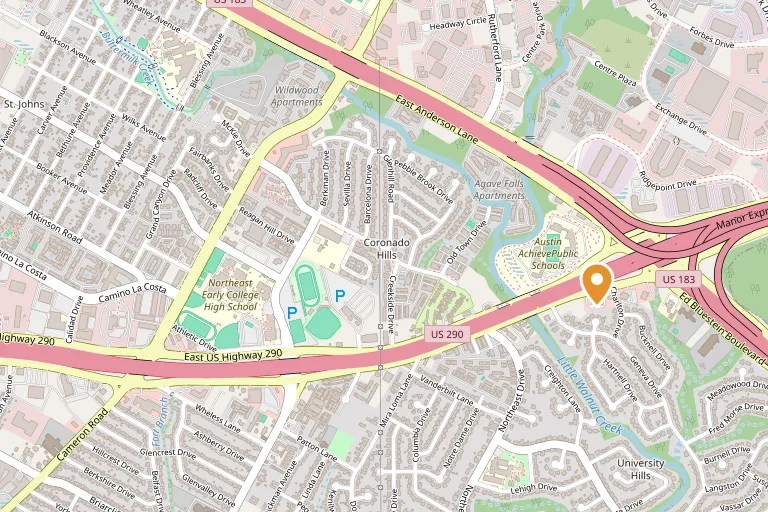
Nova Recovery Center Drug and Alcohol Rehab - Austin, TX
7501 E Hwy 290, Austin, TX 78752
Why Is Heroin So Addictive?
Heroin’s addictive nature stems from how rapidly it enters the brain and how powerfully it stimulates the reward system. The rush of dopamine creates a strong psychological drive to repeat the experience.
Tolerance builds quickly, meaning users need more heroin to feel the same effects. Physical dependence follows, causing painful withdrawal symptoms if use is stopped. This cycle of craving, tolerance, and withdrawal is what makes heroin so addictive.

Outpatient
Nova Recovery Center Drug and Alcohol Rehab - San Antonio, TX
6707 W Hausman Rd, San Antonio, TX 78249
Heroin Addict Signs
Recognizing heroin addict signs early can help someone get treatment before the damage becomes irreversible. Warning signs include:
Neglecting responsibilities at work, school, or home
Sudden financial or legal problems
Track marks, scars, or infections from injections
Severe weight loss and malnutrition
Loss of interest in hobbies and relationships
Frequent “nodding off” or drowsiness
Hidden paraphernalia (needles, burnt spoons, foil)
If you notice these signs in a loved one, it’s important to encourage them to seek professional help.
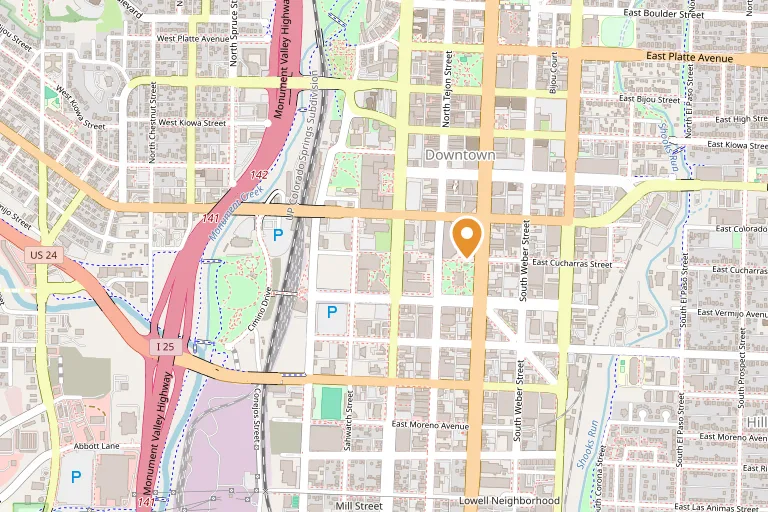
Nova Recovery Center Colorado Springs
Short-Term Risks That Lead to Long-Term Damage
Even if someone uses heroin only once, the risk of overdose or long-term brain changes is real. The combination of euphoria, sedation, and respiratory depression makes heroin unpredictable and extremely dangerous.
That’s why understanding the short-term effects of heroin is crucial, not to glamorize its use, but to highlight just how quickly it can destroy health and life.
Beyond symptoms, here’s the cost of heroin addiction in Austin for families and communities.
FAQ: Heroin Effects and Symptoms
What are the short-term effects of heroin?
They include euphoria, slowed breathing, nausea, pinpoint pupils, confusion, and drowsiness.
What are the negative effects of heroin?
They include risk of overdose, collapsed veins, infections, lung damage, and long-term cognitive decline.
What are heroin addict signs?
Signs include track marks, drowsiness, sudden financial issues, hidden paraphernalia, and withdrawal from responsibilities.
What are heroin symptoms of short-term use?
Pinpoint pupils, warm skin, nausea, slow movements, and slurred speech are common symptoms after heroin use.
Which rehab centers in Houston treat heroin and opioid addiction?
Heroin is an opioid, and treatment in Houston typically starts with medically supervised detox and medication-assisted treatment (MAT), since opioid withdrawal is difficult and best managed with medical support. Nova Recovery Center offers medically supervised heroin and opioid detox with MAT and outpatient care in Houston, and provides residential rehab at its Austin facility for those who need a higher level of care.
Why is medical detox important for heroin addiction?
Opioid and heroin withdrawal is intensely uncomfortable and a common reason people relapse before treatment takes hold. Medically supervised detox manages withdrawal symptoms safely, often using medication-assisted treatment (MAT) like buprenorphine, making it far more likely someone can get through withdrawal and continue into ongoing treatment.
What is medication-assisted treatment (MAT) for heroin addiction?
MAT combines FDA-approved medications (such as buprenorphine or methadone) with counseling and behavioral therapy to treat opioid and heroin addiction. It reduces withdrawal symptoms and cravings, supporting stability and long-term recovery. MAT is available as part of medically supervised detox and treatment.
What happens after heroin detox?
Detox addresses the physical dependence but not the underlying addiction, so continued treatment is strongly recommended. After detox, most people transition into outpatient care or residential rehab for therapy, relapse-prevention planning, and ongoing support. Nova offers detox, MAT, and outpatient care in Houston, with residential rehab in Austin. Heroin’s short-term effects may seem appealing to those seeking relief or escape, but the reality is grim. The negative effects of heroin far outweigh any temporary high. From slowed breathing and nausea to overdose and addiction, the dangers are immediate and life-threatening. By recognizing the heroin symptoms and heroin addict signs, families and friends can help loved ones seek treatment. Recovery is possible with medical detox, counseling, and long-term support.
What clients say
Trusted by clients across Texas
4.6 from 434 Google reviews across 9 locations
Across Nova Recovery Center, Briarwood Detox Center and Eudaimonia Recovery Homes
★★★★★
“Nova is far from perfect, and some of the information can be misleading. But if you want to cover the 12 Steps while enjoying good food and a beautiful scenic view, this is the place for you. The…”
10 months ago · Wimberley
★★★★★
“I did 90 days at Nova Recovery 6 years ago. I am still sober today. And living a life I could have never imagined. The people and the program they are running impacted me for a lifetime. Better than…”
2 years ago · Wimberley
★★★★★
“I went to Nova almost 9 months ago and I wouldn’t change it for the world. The staff when I first entered were very nice and welcoming. As a 19 year old that didn’t know what I was getting myself…”
2 years ago · Austin
★★★★★
“Nova Recovery Center has been an invaluable part of my journey to sobriety. The intensive inpatient program, coupled with the unwavering support and guidance from my recovery specialist, Mark Rector…”
2 years ago · Austin


★★★★★
“I had such a positive experience at Nova Recovery in Wimberley! The staff genuinely cares and went above and beyond to support me every step of the way. The peaceful setting made it easier to focus…”
a year ago · Wimberley
★★★★★
“I love Nova so freaking much. Nova has saved my life in more ways than one. I was hopeless and had no solution suffering from this disease. The staff there never gave up on me. I was the worst client…”
2 years ago · Austin
★★★★★
“I know Mark rector is non-binary however it saved my life and it did a good job with CPR and I don't know how aside from staying sober I could ever repay it thank you Mr or Mrs or whatever you're…”
8 months ago · Austin
★★★★★
“It's been a few years since I was a patient at Nova Recovery Center. Recently I have been reflecting on my time there and how incredibly grateful I am for the experience I had. I have been to 7 rehab…”
2 years ago · Austin


Talk to someone today
Ready when you are
Admissions are answered 24 hours a day by a person, not a queue. We will check your benefits for free and tell you what treatment would actually cost.
Free and confidential · No obligation