
Addiction
From Detox to Residential Care: Alcohol Recovery in Austin
Excellent 4.6 out of 5 434 Google reviews across our locations





Published October 26, 2025
Reviewed and updated October 24, 2025
Key Takeaways
Inpatient alcohol rehab in Austin is 24/7 residential care suited for higher‑acuity needs, safety concerns, or repeated relapse.
Many admissions begin with medically supervised detox; when needed, withdrawal management often takes about 5–7 days.
Daily schedules blend individual and group therapy, recovery education, skills practice, wellness activities, and regular family involvement.
Most programs offer dual‑diagnosis care, treating substance abuse and mental health conditions at the same time.
Typical residential tracks run 30, 45, 60, or 90 days; the exact length depends on clinical needs.
Care usually continues after discharge with a step‑down to PHP/IOP, followed by aftercare and alumni support.
Compare providers by licensure/accreditation, staffing, therapy mix, sample schedules, and how they plan transitions to outpatient care.
Insurance verification is common; confirm coverage for detox, inpatient rehab, and step‑down services before admission.
Admissions teams guide logistics (what to bring, timing) and some centers offer specialized tracks such as small‑census or men‑only options.
Using these points to assess alcohol rehab options helps align treatment with your goals, preferences, and budget.
Understanding Inpatient Alcohol Rehab
When inpatient rehab fits
Inpatient alcohol rehab is suitable when withdrawal risks, safety concerns, lack of support at home, or repeated relapse make sobriety hard to sustain without a 24/7 setting. Austin programs describe this level as focused, structured, and designed to stabilize both alcohol use and co‑occurring mental health needs.






Freedom Starts Here. Take Back Your Life Today.
Same-Day Admissions in Austin Available.
Length of Stay & Levels of Care
How to Choose an Inpatient Alcohol Rehab in Austin
Clinical fit
Ask whether the program can handle your key needs: alcohol withdrawal risks, medical issues, and co‑occurring mental health conditions. Confirm that dual‑diagnosis care is available on site.
Credentials & staffing
Look for state licensure and national accreditations (e.g., The Joint Commission) and a team that includes psychiatrists, nurses, and master‑level therapists. Several Austin hospitals publish their interdisciplinary staffing and quality marks.
Program structure & therapies
Request a sample daily schedule and ask about the therapy mix (individual, group, family), recovery education, and any wellness or experiential options that support your goals.
Transition planning
Strong programs plan your step‑down early and arrange a warm handoff to PHP/IOP, medication management (when appropriate), alumni groups, or community meetings (e.g., AA).
Cost & coverage
Most Austin centers provide insurance verification and can estimate your copay or deductible before admission. If you’re uninsured, ask about self‑pay rates or financing.
Costs, Insurance & Getting Started
Insurance & payment
“Verify insurance” tools are common on provider sites, reflecting broad acceptance of major plans. Many offer same‑day assessments and admissions when clinically appropriate. Use these tools to understand coverage for detox, inpatient rehab, and any outpatient step‑down. Before admission, you can verify your insurance to understand coverage for detox, inpatient rehab, and any step‑down services.
Admissions checklist
Photo ID and insurance card
Current medications list
Names/contacts for supports
Weather‑appropriate clothing and simple toiletries (non‑alcohol‑based)
Programs publish “what to bring” lists. Ask admissions for specifics.
A Day in Inpatient Alcohol Rehab
Morning (Vital signs check, community meeting, clinician‑led psychoeducation.
Mid‑morning) Small‑group therapy (CBT/relapse‑prevention) and skill practice.
Afternoon (Individual session, family call or meeting (as scheduled), wellness activity.
Evening) Peer‑support group, journaling, quiet time.
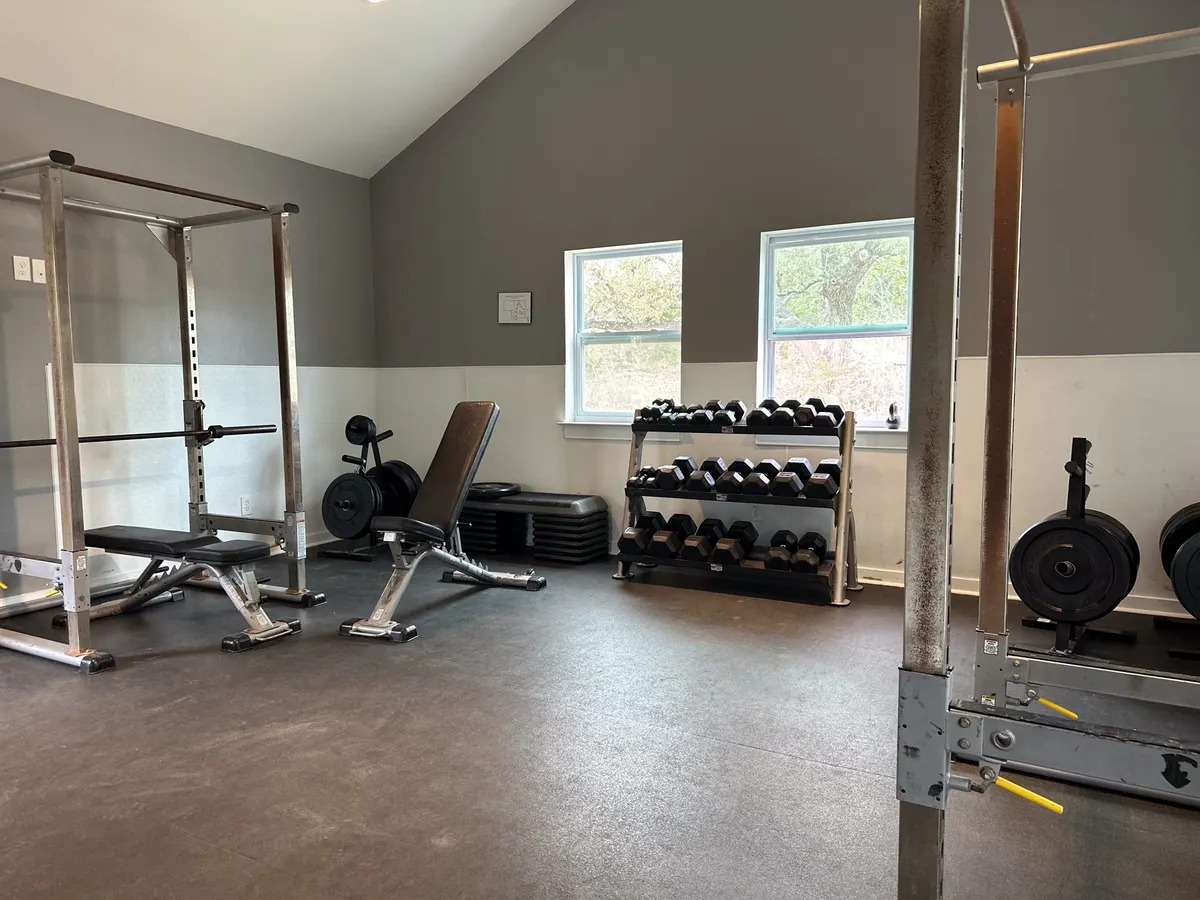
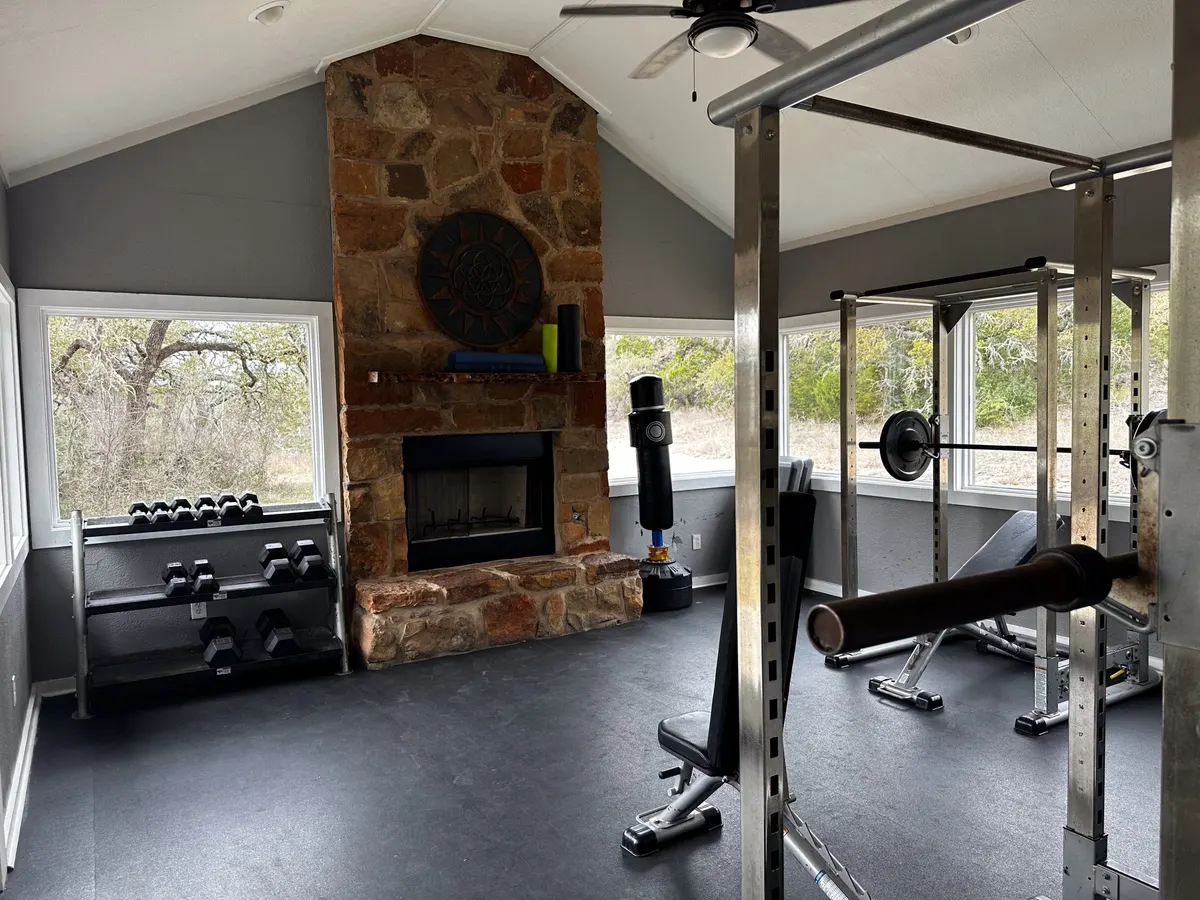
Austin programs note multiple groups per day plus time for rest, outdoor activity, and structured education, especially in hospital‑based settings.
Aftercare & Community Support
A good discharge plan lists coping tools, follow‑up appointments, and support pathways. Many Austin programs host alumni groups and encourage connection with community recovery meetings. Some emphasize 12‑step participation as part of long‑term recovery.
How Nova Recovery Center Can Help with Alcohol Addiction and Abuse
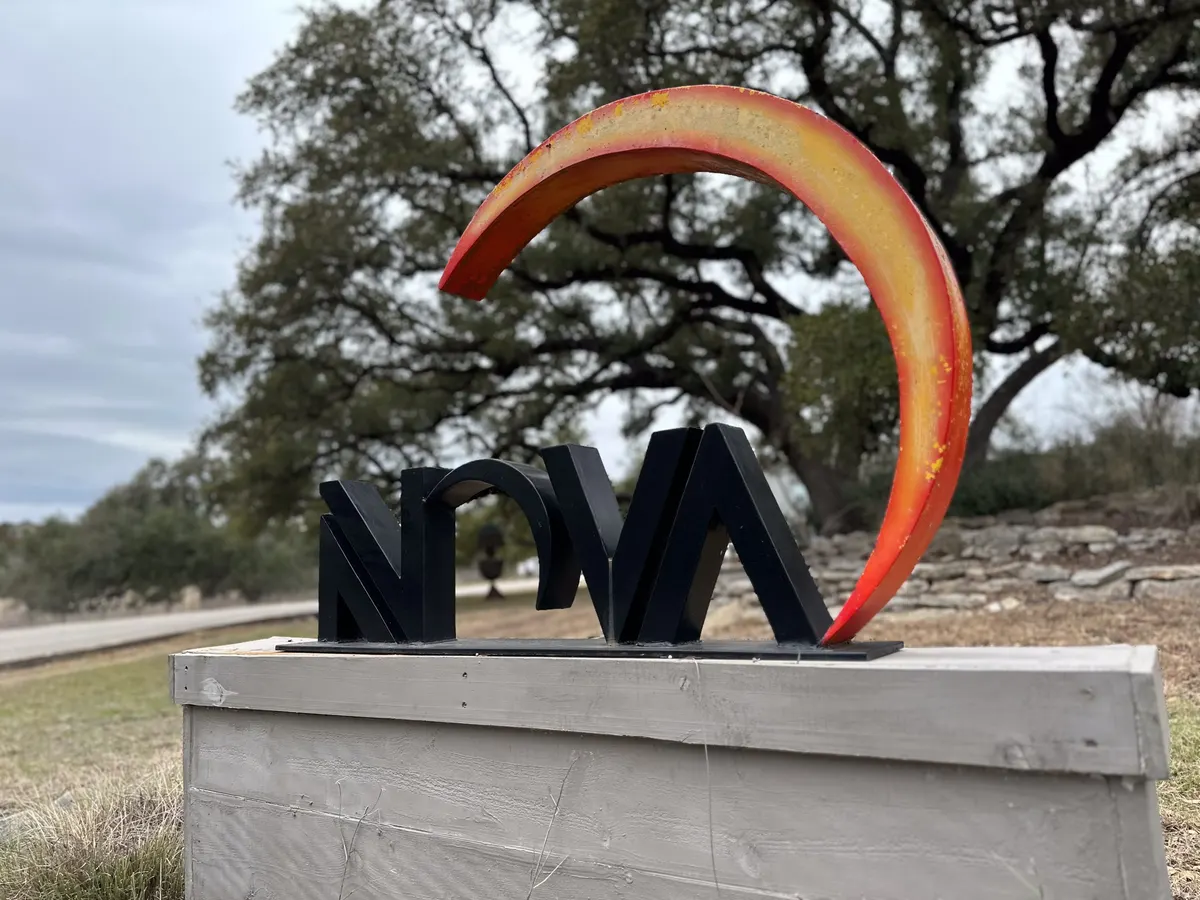
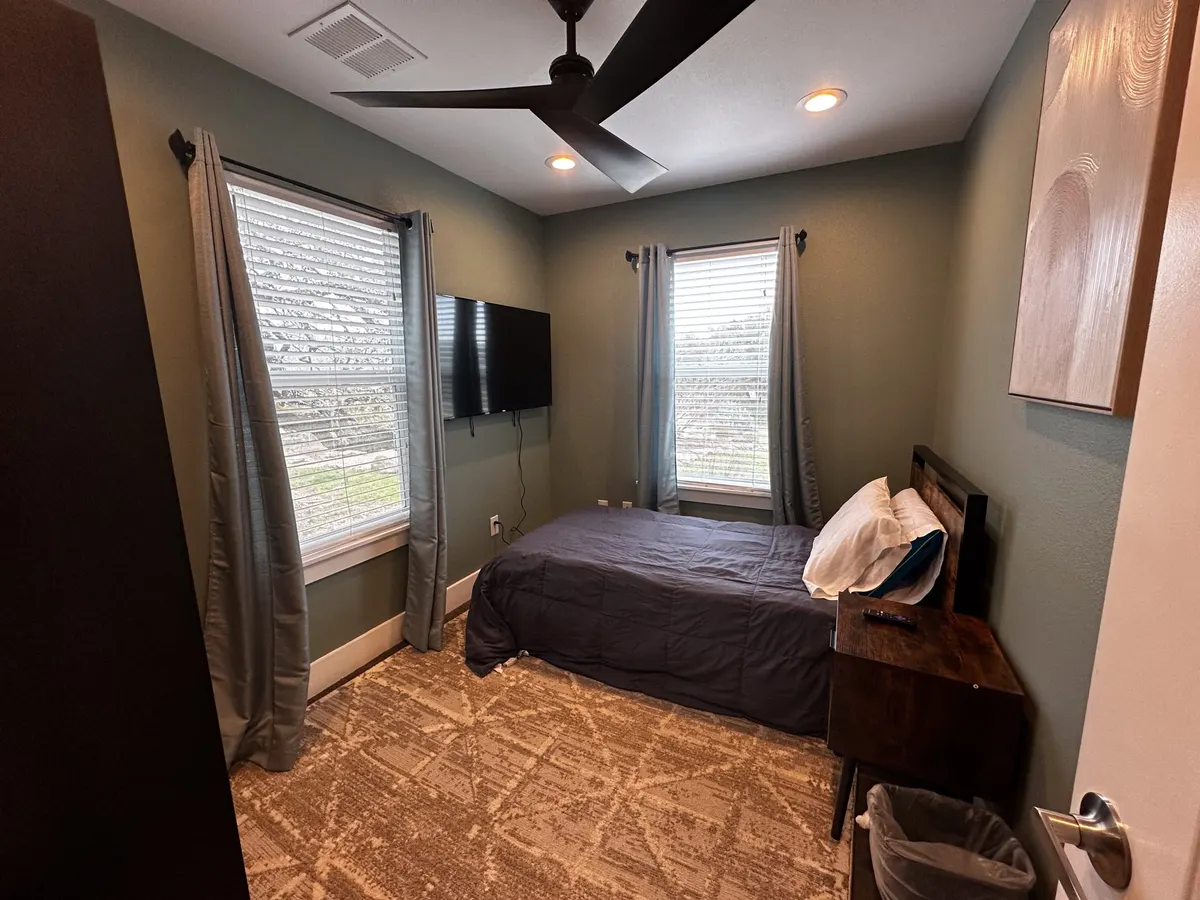
Nova Recovery Center provides a structured residential setting for people seeking help with alcohol addiction and abuse. At intake, a clinical team conducts a thorough assessment and creates a personalized plan. When needed, the center coordinates medically supervised detox so withdrawal can be managed before therapy begins. Day‑to‑day care includes individual counseling, group therapy, and education that build coping and relapse‑prevention skills. The staff can also address co‑occurring mental health concerns, offering integrated support for substance use and mood or trauma symptoms. Family meetings and regular check‑ins help align home support with the plan. As progress is made, clinicians outline a step‑down path to a day program or intensive outpatient care in the Austin area. Case managers assist with insurance benefit checks, scheduling follow‑ups, and linking clients to community resources. Many clients leave with a written aftercare plan and connections to alumni or peer‑support networks, helping them maintain gains after residential treatment.
Other Drug and Alcohol Rehab Locations
-
Drug Detox in Austin, Texas →
-
Drug Detox in San Antonio, Texas →
-
Drug Detox in Houston, Texas →



Medical Disclaimer
The information provided on this page is intended for educational purposes only and should not be considered a substitute for professional medical advice, diagnosis, or treatment. Alcohol addiction, detox, and rehabilitation should always be managed under the supervision of qualified healthcare professionals. Do not attempt to stop alcohol use or begin any treatment program without consulting a licensed medical provider, as withdrawal can be dangerous without proper care. If you are experiencing severe withdrawal symptoms, medical distress, or thoughts of self-harm, call 911 immediately in the United States. For confidential emotional and mental health support, contact the 988 Suicide & Crisis Lifeline, available 24 hours a day.
Inpatient Alcohol Rehab Austin: Frequently Asked Questions
What happens in inpatient alcohol rehab?
Inpatient (residential) programs provide 24/7 care with an initial assessment, medically supervised services as needed, daily individual and group therapy, education, relapse‑prevention skills, and discharge planning to continue care after you leave. These elements are standard across evidence‑based alcohol treatment programs.
How long is inpatient rehab for alcohol?
Length varies by clinical need and program design. Research shows many people benefit from at least 3 months of total treatment across levels of care for meaningful improvement; the inpatient segment may be shorter and followed by step‑down outpatient. Your team will tailor the timeline to you.
Do you have to detox before starting alcohol rehab?
Only if you’re at risk for clinically significant alcohol withdrawal. When indicated, medically supervised withdrawal management (detox) is provided for safety, but detox alone is not full treatment. It should lead directly into ongoing rehab.
How long does alcohol detox take?
There isn’t one timeline: detox duration depends on your history, health, and withdrawal severity. Acute symptoms often resolve over several days, and clinicians monitor for complications while preparing you for continued treatment.
What’s the difference between inpatient rehab and outpatient (PHP/IOP)?
Inpatient is live‑in, structured care with round‑the‑clock support. PHP/IOP let you live at home and attend therapy most days (PHP) or several times per week (IOP). Programs often combine these levels in a continuum matched to your needs.
What is dual diagnosis treatment in alcohol rehab?
Dual diagnosis (co‑occurring disorders) means a substance use disorder and a mental health condition occur together. Integrated treatment, addressing both at the same time, is the preferred approach and is associated with better outcomes.
Does insurance cover alcohol rehab in Texas?
Many health plans include substance use disorder benefits. Under the Mental Health Parity and Addiction Equity Act (MHPAEA), plans that offer MH/SUD coverage generally can’t impose stricter limits than for medical/surgical care. Coverage still varies by plan, so verify benefits with your insurer or the facility; SAMHSA also outlines ways to pay for care.
How do I choose the best inpatient alcohol rehab in Austin?
Use a structured checklist: confirm licensure/accreditation, evidence‑based therapies, ability to treat co‑occurring conditions, family involvement, step‑down planning (PHP/IOP), and insurance acceptance. The NIAAA Alcohol Treatment Navigator offers practical steps for evaluating programs.
What level of care comes after inpatient rehab?
Most people step down to PHP or IOP, continue medications and therapy as indicated, and engage with peer support and aftercare. Continuing care is key to maintaining gains over time.
Where can I find treatment options near me?
Use FindTreatment.gov (SAMHSA’s official locator) to search verified programs by location, level of care, accepted insurance, and more.
What clients say
Trusted by clients across Texas
4.6 from 434 Google reviews across 9 locations
Across Nova Recovery Center, Briarwood Detox Center and Eudaimonia Recovery Homes
Reviews of Briarwood Detox Center
★★★★★
“I came here barely alive, hopelessly alcoholic after years of heavy daily drinking. Going on 15 months sober. I wouldnt be here if it wasn't for them. I thought I'd need a 30-day program after, but i…”
6 months ago · Austin
★★★★★
“September 19th of 2017 I checked into Briarwood after another failed attempt to handle my substance abuse issue on my own. It was a great place to start my recovery journey and I’m so grateful…”
2 years ago · Austin
★★★★★
“This review has been a long time coming and I apologize for how late it is, but I want to thank Mr.Becks and the team at Flourishing recovery for their help and support during a time when I needed it…”
2 months ago · San Antonio
★★★★★
“As a provider of transitional and sober living accommodations, we have worked in a close partnership with Flourishing Foundation Recovery for over a year now housing graduates of their program. What…”
10 months ago · San Antonio
★★★★★
“I came to flourishing foundations directly out of a detox center where I had the worst experience. After 10 days, I was still shaky and had to hold on to things in order to walk. I came here to FF…”
10 months ago · San Antonio
★★★★★
“I wanted to thank Nova for all the support and help in getting me on the path to my recovery. It has changed my life and I can honestly say that it helped me discover myself. I want to specifically…”
5 years ago · Houston
★★★★★
“👍🏼👍🏼”
7 years ago · Houston


★★★★★
“Briarwood is an amazing place with compassionate staff all the way up the chain! Briarwood has played a huge role in my journey and I am so grateful! I would recommend them for detox to anyone who…”
8 months ago · Austin
★★★★★
“Briarwood definitely surpassed my expectations. I've been to a detox facility before, unfortunately, so I can honestly say I wasn't looking forward to having to go through the process again. But, it…”
2 years ago · Austin
★★★★★
“This place is AMAZING!! The staff is super friendly and welcoming. The program is very well put together and informative. We went over; cognitive behavioral therapy, relapse prevention, and taking…”
a year ago · San Antonio
★★★★★
“I’ve referred several clients to Flourishing Foundations Recovery and have consistently been impressed with the level of care they provide. Their team is compassionate, responsive, and truly…”
10 months ago · San Antonio
★★★★★
“I would like to thank Jasmine and Lisa for being such supportive and amazing group leaders. Their real and raw counseling has been such a huge part of my success with sobriety. I did not even want to…”
3 years ago · Houston
★★★★★
“Highly recommended, I worked with Greg and he really helped me with my addiction.”
a year ago · Houston
★★★★★
“Responsive staff”
6 years ago · Houston


Keep reading
- Care That Fits: Austin Outpatient Alcohol Recovery
- How to Choose the Best Drug and Alcohol Rehab Program | Nova Recovery Center Austin
- What is the Success Rate of Drug and Alcohol Rehab Programs?
- Breaking Free from Psychological Dependence: Overcoming the Hardest Part of Drug Rehab Austin | Nova Recovery Center
Talk to someone today
Ready when you are
Admissions are answered 24 hours a day by a person, not a queue. We will check your benefits for free and tell you what treatment would actually cost.
Free and confidential · No obligation