


Trending Topics

Person applying a nicotine replacement therapy patch to their upper arm, illustrating how quitting smoking patches support a smoke-free recovery.
Addiction

How to Get Free Nicotine Patches to Quit Smoking (and Where Addiction Treatment Fits In)

If you are ready to quit smoking, you may have heard there are programs that offer free nicotine patches. These quitting smoking patches are a form of nicotine replacement therapy (NRT) that can ease withdrawal and cravings while you break the habit of lighting up.

At the same time, nicotine addiction is a chronic, relapsing condition. For some people, a free quit smoking kit is enough. Others need the structure of professional addiction treatment to stay smoke‑free and address other substances at the same time. This guide explains how to find free nicotine patches, how to use them safely, and when it makes sense to step up to detox or inpatient rehab.

Read More »
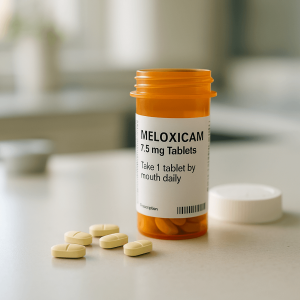
A bottle of prescription meloxicam tablets on a clean medical countertop with soft natural lighting, symbolizing the risks and side effects associated with NSAID use.
Addiction

What Are the Dangers of Meloxicam (Mobic)?

People prescribed meloxicam—also known by the mobic generic name meloxicam—often use it for arthritis pain. Yet this NSAID is not risk-free. If you also misuse alcohol or other drugs, those risks rise. This guide explains key safety concerns and how drug and alcohol rehab treatment in Austin, TX can help if substance use is part of the picture.

Read More »
Still life photograph representing the long term effects of antidepressants on the brain, showing neutral objects symbolizing balance, time, and mental health stability.
Addiction

Long-Term Effects of Antidepressants on the Brain: What’s Known vs What’s Unclear

Many people take antidepressants for months or years. A common worry is the long term effects of antidepressants on the brain.

Here is what experts can say with confidence. Antidepressants do change brain messaging while you take them. Over time, the brain adjusts to that steady change. What is less clear is how often people have lasting symptoms after stopping, and why.

This page explains what’s known vs what’s unclear, without hype or scare tactics. It also addresses searches like ssri long term use, long term antidepressant side effects, and long term antidepressant use. This is educational and does not replace care from your prescriber.

Read More »
Lexapro medication shown alongside common birth control methods, illustrating questions about whether Lexapro affects birth control effectiveness, fertility, and pregnancy safety.
Depression

Does Lexapro Affect Birth Control? Interactions, Myths, and What to Ask

If you take Lexapro (escitalopram) and use birth control, it is normal to wonder if they clash. Many people ask: does Lexapro affect birth control, or can you still rely on it to prevent pregnancy?

For most patients, the answer is reassuring. Lexapro is not known to make hormonal birth control work less well. Birth control is also not known to “cancel out” Lexapro. Most confusion comes from shared side effects, missed doses, or other drugs that change hormone levels.

If you are also working on recovery while treating anxiety or depression, medication changes can feel intense. Supportive care, such as Austin residential inpatient rehab, can help you stay steady while you coordinate treatment with your prescriber.

Read More »
Pregnant woman holding prescription medication, illustrating pregnancy category D medication risk and decision-making during pregnancy.
Detox

Pregnancy Category D: Meaning, Typical Risk Framing, and Common Questions

“Pregnancy category D” can be scary to see on a medication list. You may also see the same idea written as pregnancy class D. In the older letter system, Category D means fetal risk has been seen in humans, but a doctor may still use the drug when the benefit is greater than the risk.

This guide explains the meaning of pregnancy category D, how the risk is usually described, and how it compares with pregnancy class C and pregnancy category X. It is for education, not medical advice. If you are pregnant, planning pregnancy, or breastfeeding, talk with your OB-GYN and your prescriber before you change any medicine.

If alcohol or drug use is part of the picture, do not try to make major changes alone. Support can protect both you and your pregnancy.

Read More »
Prescription medication bottles next to ultrasound images highlighting pregnancy category X drug risks and medication safety during pregnancy.
Detox

Pregnancy Category X Drugs List: What “X” Means and What to Ask Your Doctor

If you searched for a “pregnancy category x drugs list,” you likely want one clear answer: Is this medicine safe in pregnancy? In the older FDA letter system, Category X was the highest-risk label, meaning the drug should not be used in pregnancy because fetal risk is known and the risk outweighs any possible benefit.

One important update is that the FDA no longer uses the A, B, C, D, X letters on new prescription drug labels, and the newer format explains pregnancy risk in plain language with a short risk summary and the facts behind it. That is why you may see “pregnancy category X” in older sources but not on many current labels.

Read More »
Call Now Button