Drug & Substance Guide
Naltrexone Treatment for Alcohol and Opioid Addiction
Admissions answered 24 hours a day · Free and confidential
Excellent 4.6 out of 5 434 Google reviews across our locations


What clients say
Trusted by clients across Texas
4.6 from 434 Google reviews across 9 locations
Across Nova Recovery Center, Briarwood Detox Center and Eudaimonia Recovery Homes
★★★★★
“Nova is far from perfect, and some of the information can be misleading. But if you want to cover the 12 Steps while enjoying good food and a beautiful scenic view, this is the place for you. The…”
10 months ago · Wimberley
★★★★★
“I did 90 days at Nova Recovery 6 years ago. I am still sober today. And living a life I could have never imagined. The people and the program they are running impacted me for a lifetime. Better than…”
2 years ago · Wimberley
★★★★★
“I went to Nova almost 9 months ago and I wouldn’t change it for the world. The staff when I first entered were very nice and welcoming. As a 19 year old that didn’t know what I was getting myself…”
2 years ago · Austin
★★★★★
“Nova Recovery Center has been an invaluable part of my journey to sobriety. The intensive inpatient program, coupled with the unwavering support and guidance from my recovery specialist, Mark Rector…”
2 years ago · Austin


★★★★★
“I had such a positive experience at Nova Recovery in Wimberley! The staff genuinely cares and went above and beyond to support me every step of the way. The peaceful setting made it easier to focus…”
a year ago · Wimberley
★★★★★
“I love Nova so freaking much. Nova has saved my life in more ways than one. I was hopeless and had no solution suffering from this disease. The staff there never gave up on me. I was the worst client…”
2 years ago · Austin
★★★★★
“I know Mark rector is non-binary however it saved my life and it did a good job with CPR and I don't know how aside from staying sober I could ever repay it thank you Mr or Mrs or whatever you're…”
8 months ago · Austin
★★★★★
“It's been a few years since I was a patient at Nova Recovery Center. Recently I have been reflecting on my time there and how incredibly grateful I am for the experience I had. I have been to 7 rehab…”
2 years ago · Austin


Exceptional standards, backed by credible organizations
Our affiliations and accreditations

What naltrexone is
Naltrexone is a non-addictive medication for alcohol and opioid dependence, taken as oral pills or a monthly Vivitrol injection, that blocks the euphoric effects of those substances.
By removing the reward, it reduces cravings and the risk of relapse. It requires detox first: someone must be opioid-free for seven to ten days before starting, or it triggers withdrawal.
There is one serious caution. Naltrexone lowers opioid tolerance, so a relapse after taking it carries a higher risk of overdose. It works best alongside counseling, group programs and medical oversight.
- What it is
- A non-addictive blocker, pill or monthly injection
- How it works
- Blocks the euphoric effects of alcohol and opioids
- Before starting
- Opioid-free for 7 to 10 days
- The overdose caution
- It lowers opioid tolerance
The tolerance warning is the one people miss. If you have been on naltrexone and relapse, treat it as an overdose risk.
What is Naltrexone (Vivitrol)?
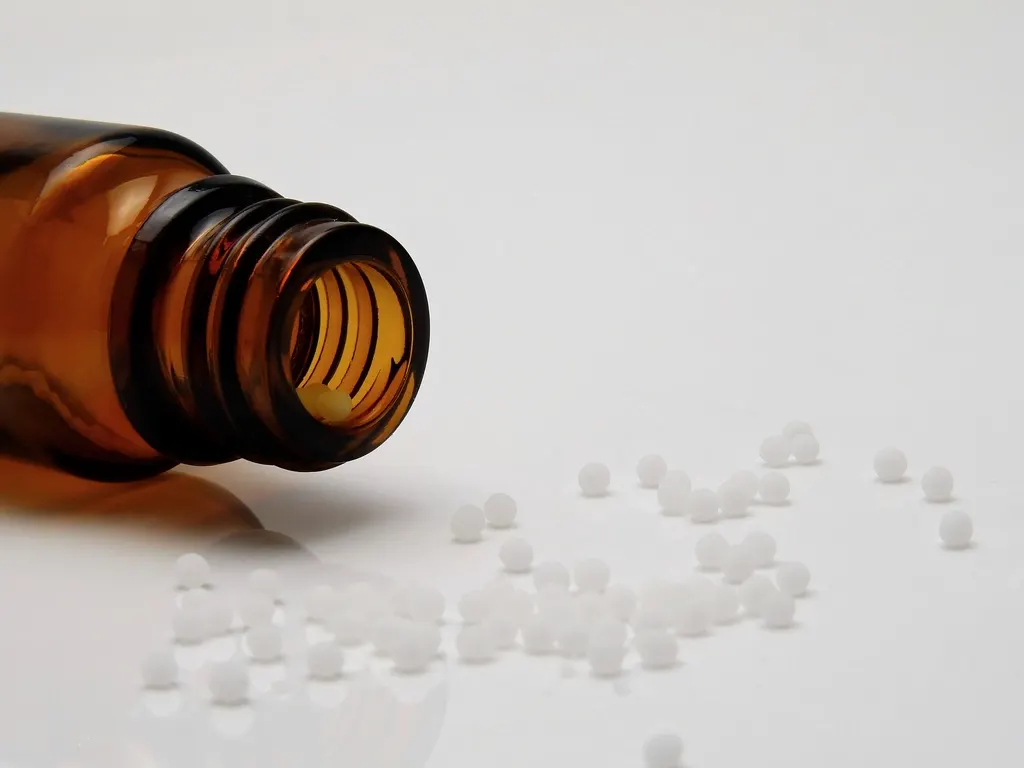
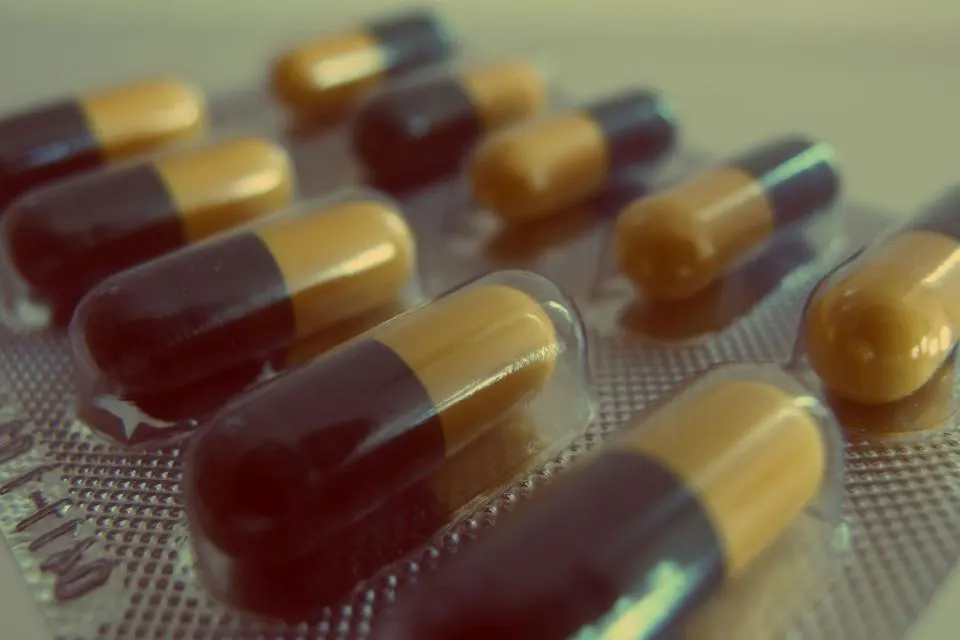
Naltrexone is a non-addictive medicine used to treat alcohol and opioid addiction. It comes as a monthly shot called Vivitrol or as daily pills named ReVia or Depade.
This medication blocks the high people get from drinking alcohol or taking opioids. If someone on naltrexone relapses and drinks alcohol or uses drugs, they won’t feel the usual effects. This can help reduce cravings and encourage recovery.
However, a person must stop using opioids completely for 7 to 10 days before starting naltrexone. Otherwise, the medication might trigger uncomfortable withdrawal symptoms.



How Does Naltrexone Work?
Naltrexone attaches to opioid receptors in the brain but doesn’t activate them. This blocks the feel-good effects of alcohol and opioids. It also lowers cravings by changing how the brain responds to these substances.
Unlike other medications like methadone, naltrexone doesn’t cause a high or create dependence. That makes it a safe choice for people who want long-term treatment without risk of addiction.
Discover More About Opioids
Everything You Need to Know...
Risk of Overdose
People using naltrexone have a lower tolerance to opioids. If they relapse and take the same dose they used before treatment, they could overdose. This can be life threatening. It’s important to know this risk and avoid trying to bypass the effects of the medication.
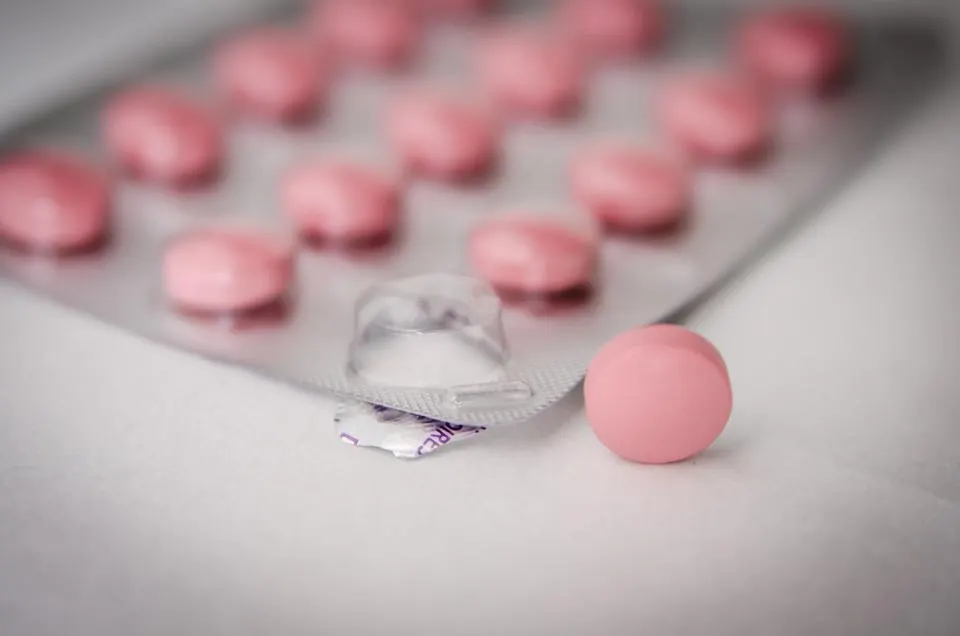
Treating Alcohol Addiction with Naltrexone
Naltrexone helps reduce the desire to drink by blocking the effects of alcohol. It lessens the “buzz” people feel, so they’re less likely to continue drinking. This supports recovery and helps prevent relapse.
People who use naltrexone along with counseling and support groups tend to drink less. Clinical trials show that those who took Vivitrol and went to therapy had fewer heavy drinking days and higher success staying sober. It also helps people avoid binge drinks.
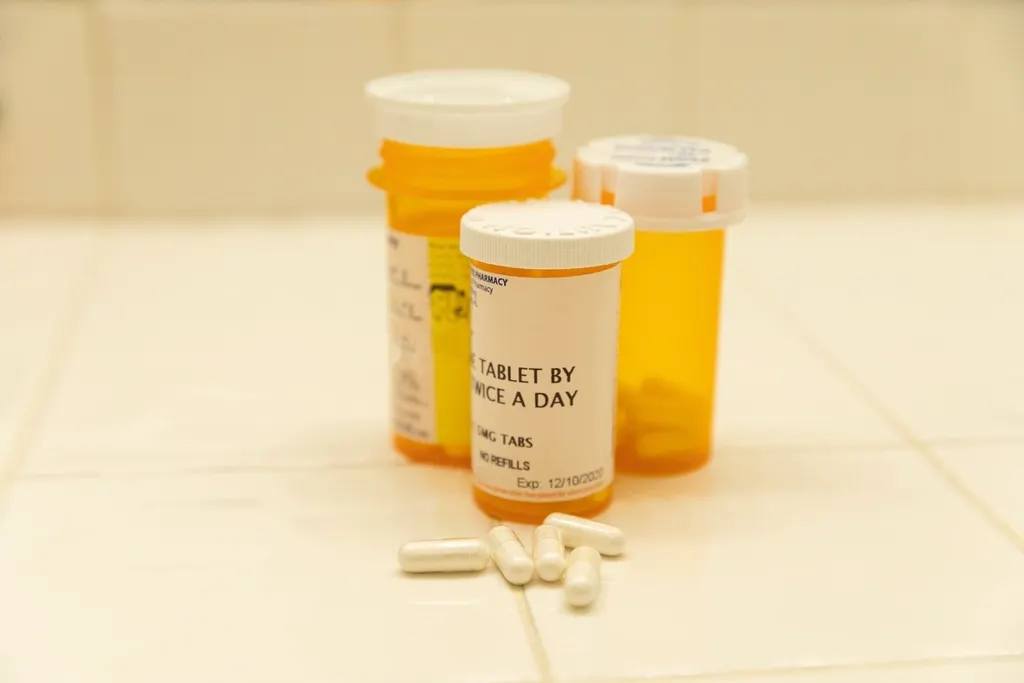
Treating Opioid Addiction with Naltrexone
Naltrexone is used in the treatment for opioid addiction. It blocks opioids from attaching to brain receptors. This means people don’t get the same effects from drugs, which helps them stay in recovery.
To start this treatment, the person must detox first. Taking naltrexone too early can cause strong withdrawal symptoms. But once detoxed, people using this medication with therapy often have fewer cravings and stay clean longer.
Ready to take the next step?

Side Effects of Naltrexone
Naltrexone is usually safe, but some people may have side effects. Common side effects include:
- Stomach upset
- Vomiting
- Diarrhea
- Headache
- Feeling tired
- Muscle or joint pain
- Anxiety or restlessness
Some people may have serious side effects including liver problems or injection site pain. Liver function should be checked before and during treatment. In rare cases, allergic reactions can occur.
Anyone with heart disease or post traumatic stress disorder should speak with a healthcare professional first. Medical supervision helps catch and manage side effects early.
We accept most major insurance
Most major insurance covers treatment here
We'll check your benefits for free and tell you what you'd actually pay, before you commit to anything.
















Takes about 2 minutes · No obligation · Or call (512) 605-2955
Don't see yours? We work with more plans than we can show here.
Freedom Starts Here. Take Back Your Life Today.
Same-Day Admissions in Austin Available.
Available Treatment Options
There are many treatment programs that include naltrexone. People can choose inpatient or outpatient rehab programs, depending on their needs. These programs often offer detox, medical treatment, counseling, and aftercare planning.
Effective treatment for alcohol addiction or opioid use includes medical care, mental health treatment, and support from others. The more complete the plan, the better the chance of long-term recovery.

Final Thoughts
Naltrexone is an effective treatment option for people with substance use disorder. It reduces cravings and blocks the effects of alcohol and opioids. Used with support groups, therapy, and medical care, it can be a key part of recovery.
If you or someone you love struggles with addiction, talk to a healthcare provider about whether naltrexone is right for you. With the right plan, recovery is possible.
Naltrexone Treatment: Uses, Benefits, and Common Questions
What is naltrexone used for?
Naltrexone is prescribed to help people recover from alcohol and opioid addiction. It works by blocking the euphoric and sedative effects of these substances, making them less rewarding and reducing cravings.
How long is the treatment for naltrexone?
The length of naltrexone treatment varies. Some individuals may take it for several months, while others benefit from longer-term use as part of a structured recovery plan that includes therapy and support programs.
What does naltrexone do to alcoholics?
For individuals with alcohol use disorder, naltrexone reduces cravings and prevents alcohol from producing pleasurable effects. This helps people stay focused on sobriety and lowers the risk of relapse.
Can naltrexone cause diarrhea?
Yes, gastrointestinal side effects such as diarrhea, nausea, or stomach upset can occur. These symptoms are typically mild and temporary but should be discussed with a healthcare provider if they persist.
What makes a person an alcoholic?
Alcoholism often develops due to a mix of genetic, psychological, and environmental factors. Persistent heavy drinking changes brain chemistry, leading to dependence and loss of control over alcohol use.
What is addiction in alcohol?
Alcohol addiction is a chronic condition where a person cannot stop or control their drinking despite negative consequences. It involves both physical dependence and psychological cravings.
What are alcohol addiction symptoms?
Common symptoms include strong cravings, inability to cut back, withdrawal symptoms, neglecting responsibilities, and continued drinking despite harm to health and relationships.
Why can’t an alcoholic stop drinking?
Alcohol alters brain chemistry, creating powerful cravings and withdrawal symptoms. Without treatment and support, these changes make it extremely difficult to quit drinking alone.
Why do people become addicted to opioids?
Opioids trigger the brain’s reward system, creating intense feelings of euphoria. Over time, tolerance and dependence develop, making it hard to stop without medical intervention.
How long does it take for your brain to recover from opioids?
Brain recovery depends on the severity of use, but it can take months to years for brain chemistry and function to normalize after opioid addiction.
Other Outpatient Drug and Alcohol Rehab Locations
Keep reading
- Disulfiram for Alcohol Addiction: How It Works Safely
- Addiction Symptoms: How to Recognize the Signs in Yourself or a Loved One
- Addiction Treatment: Evidence‑Based Options, Levels of Care, and How to Start
- Hydrocodone Detox and Treatment for Opioid Addiction
- Remifentanil Addiction Treatment and Opioid Withdrawal Help
Talk to someone today
Ready when you are
Admissions are answered 24 hours a day by a person, not a queue. We will check your benefits for free and tell you what treatment would actually cost.
Free and confidential · No obligation