















Last Updated on September 9, 2026

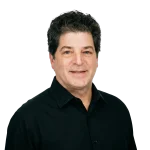
Jeffery Meadows was born in Charleston, West Virginia, but his family moved to Houston when he was three. They lived in what Jeffery describes as an “aggressive neighborhood” where theft and violence was the norm. His mother, a hard-working single mom of three, was a nurse and worked tirelessly to provide the best life she could for her children. Despite the fear and aggression that he experienced during his childhood, his mom always told him, “There’s a pony in every pile of sh*t,” reminding him to look for the silver lining in every situation.
Jeffery recalls having a lot of unstructured time to do what he wanted when he wanted. He skipped school quite often and ended up attending an alternative learning center in Houston by the time he was eleven. His adolescent years were filled with behavioral issues and substance abuse as he desperately tried to gain acceptance among his peers.

Jeffrey’s family relocated to Austin, Texas in 1999, where his drug and alcohol abuse continued to worsen and eventually, consumed him. Once an avid and talented skater, Jeffery now sat on the sidelines drinking while his friends skated, and one by one, he slowly lost everything he loved.
“Nothing mattered except drugs, friends, and women. School didn’t matter. My relationships with my mom, brother, and sister didn’t matter. It was just drugs, alcohol, and acceptance. Every day, every hour I wanted to hang out with a friend or do drugs,” he says.
The Darkest, Loneliest Hour
After attending a long list of alternative learning institutions, Jeffrey gave up on school and dropped out in his second year of 9th grade. His substance abuse continued to wreak havoc in his life, leading to severe depression and two suicide attempts.
Eventually, he ended up in a 4-by-8 penitentiary cell, where he found himself completely and utterly alone. He had received a three-year sentence for his third DWI and had burned all his bridges. His mother was the only one who would come to visit him.
“My life had revolved around four things: drinking, trying to drink, recuperating from drinking, and trying not to drink,” Jeffery says.
Even then, in his darkest moment, Jeffrey’s mom reminded him to look for that pony and search for the positive aspects of his negative situation. He buckled down and made the most of his time in prison by studying vitamins, minerals, metabolism, and fitness. His hard work paid off and he earned his GED, the salutatorian of his class. In addition to studying nutrition and fitness, he also applied those concepts to his life and lost 54 pounds before he was released from prison.
Sincere, Internal Pain and Heartache
Jeffrey was released from prison in March of 2017 and managed to stay sober for two months, purely out of fear of going back to the penitentiary. Unfortunately, even the fear of prison couldn’t keep Jeffery away from alcohol for long. He ended up drunk behind the wheel of his mom’s car, which he took without permission while on parole.
The internal pain he was experiencing was simply too much to bear anymore and he knew he desperately needed help. Unlike many others who attend rehab to appease loved ones or to avoid criminal charges, Jeffery’s decision to enroll in treatment was simply a result of sincere, internal pain and heartache.
“I started off doing [drugs] to fit in. But I had an addictive mentality even before that,” he says. “I collected things and latched onto toxic people. I was in love with the idea of being in love,” he says. “I’ve been fighting a mental war for as long as I can remember, not dealing with the internal stuff.”
Nova Recovery Center was Jeffery’s first and only experience with rehab. He started treatment with a positive outlook (still searching for that pony) and came to Nova knowing he was beyond human aid.
As it says in the Big Book, Jeffery quickly discovered he had two options: to die an alcoholic death or to live by spiritual principles. That truth hit home for him and he realized he was going to die if he didn’t figure out a way to find some freedom from his addiction.
“There wasn’t anything material that was going to keep me sober,” he says. “I was just like, ‘tell me what to do.’ I took direction, did everything that was asked of me, and something started to happen. I entered into this fourth dimension that AA talks about. I didn’t realize it until I started to reap the benefits that this book offers.”
For 20 years, Jeffery lived in fear, driven by the delusion that he could control his drinking while suffocating under the weight of his internal pain. If he hadn’t gotten help, he says he believes he would either be back in prison or dead. However, today, his life looks very different.
Today, Jeffery spends his days working with recovering addicts, as a Behavioral Healthcare Technician at an addiction treatment center in Austin. He enjoys any fitness-related activity and is in the process of opening his own boxing gym with a friend. He still works hard to maintain his sobriety daily by applying the 12-step principles he learned in rehab.
“My life today is an absolute miracle and blessing,” Jeffery says. “God has given me the opportunity to work in [addiction] treatment with people who are broken and see the life come back into them, give direction and advice, and go to treatment centers to share my story and be on the frontline of this community for people who are addicted.”
Despite the severe internal pain and conflict he faced early in life, Jeffrey admits if it wasn’t for that pain, he wouldn’t be where he is today.
“Because I’m an alcoholic and an addict, I get a very rare chance to live by spiritual principles that a lot of people do not become awake to, due to the simple fact that they don’t experience enough pain in life,” he says. “Pain saved my life. It took 20 years, but I finally had enough pain to say, ‘I’m done.’”
If you are struggling with drug or alcohol addiction, please call Nova Recovery Center today to speak with an admissions representative. Just like there was hope for Jeffery, there is hope for you too, and we are waiting to help.
Co-Occurring PTSD and Substance Abuse Treatment Near Colorado Springs
Looking for treatment facilities near Colorado Springs with experience treating co-occurring PTSD and substance abuse? Nova Recovery Center offers specialized outpatient addiction treatment in Colorado Springs that addresses both PTSD and substance use disorders simultaneously through evidence-based dual diagnosis programs. Our clinical team has extensive experience treating veterans, first responders, and civilians with trauma-related addiction.
Our Colorado Springs outpatient program combines trauma-informed care with addiction treatment, including individual therapy, group counseling, medication-assisted treatment when appropriate, and evidence-based therapies specifically designed for PTSD such as Cognitive Behavioral Therapy (CBT) and trauma processing. We accept most major insurance plans including TRICARE, Cigna, Aetna, United Healthcare, and BlueCross BlueShield, and our admissions team can verify your benefits within 24 hours.
Why Dual Diagnosis Treatment Matters for PTSD and Addiction
Research shows that approximately 50% of individuals seeking treatment for substance use disorders also meet criteria for PTSD. Treating only the addiction without addressing the underlying trauma significantly increases relapse risk. Integrated treatment that addresses both conditions simultaneously produces better long-term outcomes than treating either condition alone.
At Nova Recovery Center, our Colorado Springs team understands the complex relationship between trauma and substance abuse. Many individuals with PTSD initially turn to alcohol or drugs as a way to manage intrusive memories, hypervigilance, nightmares, or emotional numbness. Our clinical approach recognizes that sustainable recovery requires healing both the addiction and the underlying trauma.
Our Approach to Co-Occurring Disorder Treatment
- Comprehensive Assessment: Every client receives a thorough evaluation to identify all co-occurring mental health conditions, trauma history, and substance use patterns
- Individualized Treatment Plans: We create personalized recovery plans that address your specific trauma history, addiction severity, and personal goals
- Trauma-Informed Care: Our entire clinical team is trained in trauma-informed practices that create a safe, supportive environment for healing
- Evidence-Based Therapies: We utilize proven treatment modalities including CBT, DBT, EMDR, and exposure therapy tailored to PTSD and addiction
- Flexible Scheduling: Our Colorado Springs outpatient program offers evening and weekend sessions to accommodate work and family responsibilities
- Aftercare Planning: We provide ongoing support and relapse prevention strategies to maintain long-term recovery
Getting Started with Treatment in Colorado Springs
If you or a loved one is struggling with both PTSD and substance abuse, professional help is available. Our admissions team in Colorado Springs can answer your questions, verify insurance coverage, and schedule a confidential assessment. We understand that reaching out for help takes courage, especially when dealing with trauma, and our team is here to support you every step of the way.
Call us today at (512) 893-6955 to speak with an admissions specialist about our dual diagnosis treatment program in Colorado Springs. We’re available 24/7 to help you begin your journey to recovery.
Frequently Asked Questions About PTSD and Addiction Treatment
What is dual diagnosis treatment for PTSD and substance abuse?
Dual diagnosis treatment, also called co-occurring disorder treatment, addresses both PTSD and substance use disorders simultaneously in an integrated program. Rather than treating addiction and mental health separately, dual diagnosis treatment recognizes that these conditions interact and influence each other. The approach combines addiction counseling, trauma therapy, psychiatric support, and evidence-based treatments like CBT and EMDR to address both conditions at the same time, leading to better long-term outcomes than treating either condition alone.
Does insurance cover PTSD and addiction treatment in Colorado Springs?
Most major insurance plans cover dual diagnosis treatment for co-occurring PTSD and substance abuse, including TRICARE (for military members and veterans), Cigna, Aetna, United Healthcare, BlueCross BlueShield, and many others. Coverage varies by plan, but most policies cover outpatient addiction treatment and mental health services under the Mental Health Parity and Addiction Equity Act. Nova Recovery Center accepts most major insurance plans in Colorado Springs, and our admissions team can verify your specific benefits and out-of-pocket costs within 24 hours at no charge.
How long does treatment for co-occurring PTSD and addiction take?
Treatment length varies based on individual needs, severity of symptoms, and progress in recovery. Most people begin with an intensive outpatient program (IOP) that meets 9-12 hours per week for 6-12 weeks, then transition to standard outpatient care meeting 3-6 hours per week for several additional months. Trauma processing and PTSD treatment often require longer-term care than addiction treatment alone. Research shows that individuals with co-occurring disorders achieve the best outcomes when they remain in treatment for at least 90 days, with many benefiting from 6-12 months of continued outpatient support.
Can I work while attending outpatient treatment in Colorado Springs?
Yes, outpatient treatment is specifically designed to allow you to maintain work, school, and family responsibilities while receiving comprehensive care. Nova Recovery Center’s Colorado Springs program offers flexible scheduling with evening and weekend sessions to accommodate your work schedule. Many clients attend treatment sessions after work or on weekends. Additionally, the Family and Medical Leave Act (FMLA) may protect your job while you attend treatment, and our admissions team can provide documentation if needed for your employer.
What makes Nova Recovery Center different for PTSD and addiction treatment?
Nova Recovery Center specializes in dual diagnosis treatment with a clinical team trained in both addiction medicine and trauma therapy. Our approach is fully integrated, meaning the same treatment team addresses both your PTSD and substance use disorder together, not in separate programs. We offer evidence-based therapies specifically proven effective for trauma, including EMDR and prolonged exposure therapy, combined with comprehensive addiction treatment. Our Colorado Springs program also provides individualized care plans, accepts most major insurance including TRICARE for veterans, and offers flexible outpatient scheduling that fits your life. Most importantly, we create a safe, supportive environment where you can heal from both trauma and addiction.
Related Resources
- Therapy and Counseling for Addiction – Learn about the different therapeutic approaches we use in treatment
- Dual Diagnosis of Depression and Addiction – Understanding co-occurring mental health disorders and substance abuse
- The Importance of Recognizing and Treating Trauma – Why trauma-informed care matters in addiction recovery
- 7 Common Challenges People Face in Addiction Recovery – What to expect during your recovery journey
- Why Individualized Treatment is Essential for Recovery – How personalized care improves outcomes