

















Last Updated on September 2, 2026
Kurt Hylton grew up in Bakersfield, CA where he lived with his mom and stepdad in a happy home and a sober environment. However, alcohol abuse was rampant on his biological father’s side of the family. Although his mom largely shielded him from it as a kid, when he left home after high school, things changed.
Alcohol was a way of life in Kurt’s family. He worked for the family business and he would watch on Monday mornings as his older family members would drag themselves into work on Monday morning after a weekend of drinking. He’d think, “How can they drink so much and come to work feeling like crud? I’ll never be like that.”
As life went on, Kurt got married and had three kids. He never really got into drinking early on in his life, but as the stress of working and raising a family increased, he began to use alcohol as an escape. There were many times when he’d overindulge and wake up the next day feeling like crap.
“I’d say, ‘Man, I’ll never do that again!’ Until the next weekend or the next chance I had,” Kurt says.
After his family’s business closed its doors in the ‘90s, he went to work for Union Pacific as an engineer. That culture was a whole different world. Drinking and partying was the thing to do after work and Kurt began to spend his evenings doing the same. Soon, relaxing and unwinding with alcohol became the norm for him.
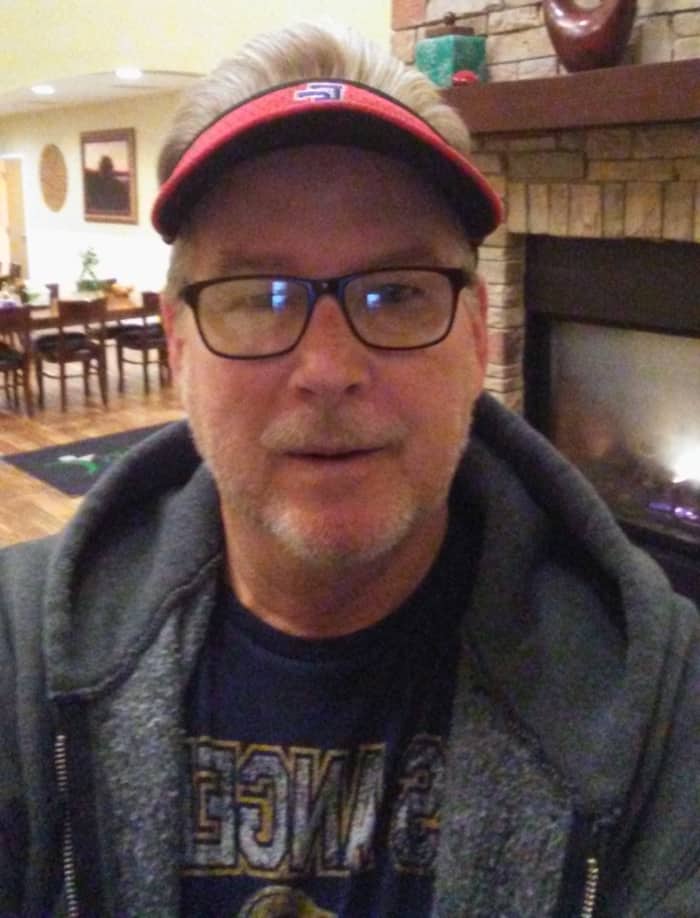
Kurt never drank in the morning. Instead, he would wake up, go to work, suffer through his day, and then re-medicate with alcohol in the evening to feel better. Unlike earlier in his life, Kurt found that he enjoyed hard liquor much more than he used to because it was easier to find his “happy place,” that sweet spot where he didn’t have to face the stress of life. Years went by and gradually, Kurt became what he always said he wouldn’t be.
In May of 2015, Kurt realized he was tired of living for his next drink. He called Union Pacific’s Employee Assistance Program (EAP) and asked for help. So, they sent him off to a treatment center in California.
It was a promising start to a new life in recovery, but that first rehab center was the first of many on a long list. For Kurt, treatment was refreshing, revitalizing, and even life-changing. But when he got back home, the challenges of work and life weighed heavily, and eventually, the stress, shame, or the urge to drink would be too heavy to carry around anymore. So he’d give in and have a drink. And that first drink would always lead to more.
“I’d have issues at work and it’d overwhelm me,” he says. “I didn’t call my sponsor about what was going on—just went to the liquor store and that was my solution. But all that solution did was put me back in that restless, irritable [state] and discontent feelings.”
Three years later in 2018, Kurt was still trying to get sober. His mom and stepdad would try to help him detox but it was always miserable and he’d relapse every time. Then came a huge blow: his stepdad passed away unexpectedly, just one week after he’d helped Kurt get sober.
The loss was particularly difficult for Kurt and he began drinking again before the memorial service. As life began to move forward after his stepfather’s passing, Kurt stayed in that dark place. He called his EAP again to ask for help and ended up in Austin, Texas, at Briarwood Detox Center.
After detoxing, he was sent to Nova Recovery Center to take another stab at treatment. Although he’d been to treatment before, it wasn’t an easy transition.
“It was all quite new to me,” he said. “Having been to rehab before, I had expectations of what I felt things should be, how things should operate, and how people should act,” he says. “I showed up there and was adjusting to a new facility with new rules, nitpicking them based on how I think they should be.”
Things at Nova were different, but it was for the best. Kurt’s Recovery Specialist took him through all of the 12 Steps for the first time and he had a significant spiritual experience that he had never had before in treatment. After spending 104 days at Nova, Kurt returned home where he remained sober for about a year.
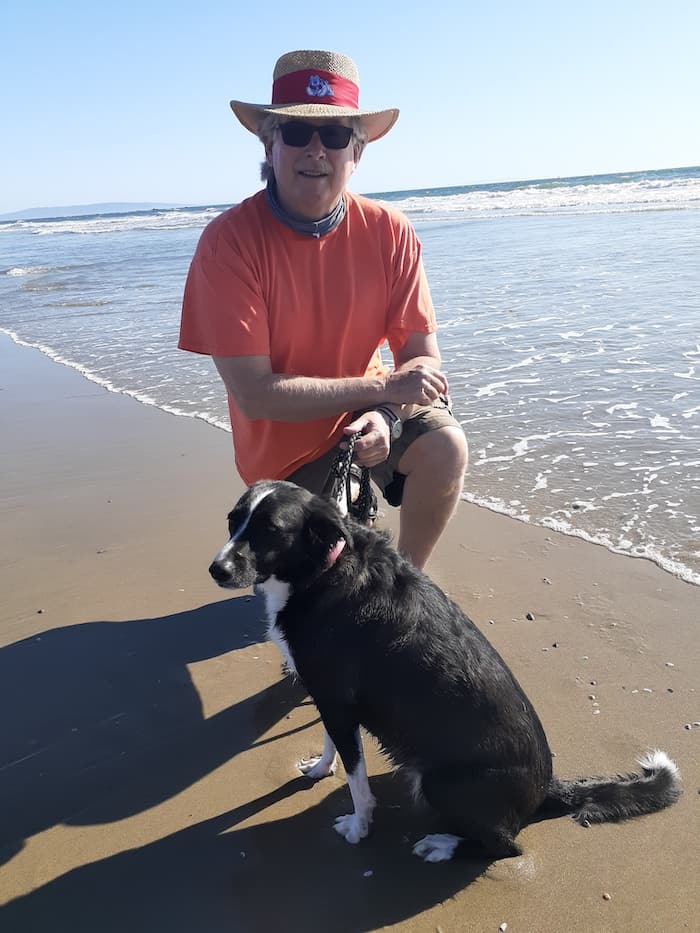
Unfortunately, Kurt’s sobriety didn’t last. For one reason or another, Kurt relapsed several more times and continued to battle his addiction over the next two years. He was in and out of treatment at Nova, fighting his hardest to stay sober. Although it wasn’t (and still isn’t) perfect, Kurt’s recovery is a slow and gradual process of healing and growth.
“I’ve learned something new and different at each center and realized that this is something I have to do,” he says. “If I’m gunna live and see my family grow—my grandkids grow—and be part of their lives, sobriety is a must.”
Currently, Kurt has eight months of solid sobriety using the tools he learned at Nova. He strives to take things one day at a time, working closely with his sponsor and attending at least one meeting a day. He also created a private Nova alumni group on Facebook, “Old Oaks Ranch Group” to help other Nova alumni find and connect with sober peers.
“I’ve got a lot more peace and contentment this run in sobriety,” he says. “I owe a lot of that to the people from Nova…I’m blessed and grateful to be sober today and still have my job. I want to enjoy life without alcohol as a solution because it’s not a solution. For me and others like me, it’s not good. Even if it’s a celebration, it’s not good. There are other ways to celebrate,” he says.
If you’re struggling with addiction, you can recover with the right treatment and support. Please call (888) 427-4932 or contact us online for more details about our individualized addiction treatment programs.



Call Us Now and Begin Healing at (512) 605-2955
Or text us and we will call you right back.
Not quite ready for a call? You can fill out the form below.
What Makes Us Different
- Gender-specific treatment
- Evidenced-based treatment
- 12-Step immersion
- 90-day residential treatment
- Family program
- Full continuum of care
- Insurance and private pay
100% Confidential Guarantee
Confidential Consultation
Nova Recovery Center is dedicated to helping you or your loved one get help. Please call or fill out this form for a confidential consultation.
One of our understanding, dedicated advisors will contact you about your options. Begin healing today.
Nova Recovery Center is dedicated to helping you or your loved one get help. Please call or fill out this form for a confidential consultation. One of our understanding, dedicated advisors will contact you about your options. Begin healing today.
Understanding Kurt’s Recovery Journey: Key Milestones and Treatment Insights
Kurt’s path to recovery exemplifies the structured stages that addiction recovery specialists identify as critical to long-term sobriety. By examining his story through the lens of evidence-based recovery frameworks, we can better understand how comprehensive treatment, professional support, and personal commitment work together to create lasting change.
The Five Stages of Addiction Recovery
Kurt’s journey reflects the five distinct stages of addiction recovery that mental health professionals at Nova Recovery Center work with clients to navigate:
- Pre-contemplation to Contemplation: Recognizing the problem and considering change—often the hardest step.
- Preparation: Taking action steps to seek help, like reaching out to Nova Recovery Center.
- Action: Engaging in treatment, building new coping skills, and establishing sobriety.
- Maintenance: Developing relapse prevention strategies and strengthening recovery networks.
- Transcendence: Rebuilding identity, purpose, and relationships beyond addiction.
For more detail on how these stages apply to your own recovery, see our comprehensive guide: The Five Stages of Addiction Recovery.
Expert Commentary: Why Comprehensive Treatment Matters
Kurt’s success was not accidental. Recovery from addiction requires more than willpower—it demands professional clinical intervention, peer support, and often medication-assisted treatment. At Nova Recovery Center, our clinical team recognizes that:
- Early detoxification with medical supervision prevents dangerous withdrawal complications and sets a stable foundation.
- Individual counseling addresses root causes—trauma, co-occurring mental illness, life circumstances—not just the addiction itself.
- Group therapy and peer support provide accountability and reduce isolation, two factors strongly linked to relapse prevention.
- Family involvement rebuilds trust and creates a supportive home environment critical for long-term success.
- Aftercare planning and ongoing connection to recovery resources sustains sobriety beyond the initial treatment period.
Learn more about the comprehensive approach Nova Recovery Center takes: What Sets Nova Recovery Center Apart as a Drug Rehab Center.
Kurt’s Recovery Milestones: A Framework for Your Own Path
While every recovery story is unique, Kurt’s journey illustrates measurable progress markers that therapists and counselors monitor:
- Days/weeks of sobriety: Early stability, managing acute cravings and withdrawal.
- Emotional regulation: Learning to process feelings without substances; identifying triggers.
- Relationship repair: Rebuilding trust with family and establishing healthy boundaries.
- Purpose rediscovery: Finding meaning, work, hobbies, and identity separate from addiction.
- Community integration: Connecting with support networks—12-step groups, recovery meetings, mentors—that sustain long-term sobriety.
Relapse Prevention: Lessons from Real Recovery
Kurt’s sustained recovery demonstrates the importance of a solid relapse prevention plan. Key strategies include:
- Recognizing personal triggers and developing specific, practiced responses.
- Maintaining regular counseling or coaching contact even after formal treatment ends.
- Building a strong peer support network—people who understand recovery firsthand.
- Engaging in healthy activities that replace addiction-related routines.
- Being honest about struggles early, before a slip becomes a full relapse.
For actionable steps, explore: 5 Key Components of a Relapse Prevention Plan and Top 10 Relapse Prevention Activities to Strengthen Your Recovery Journey.
Comparing Recovery Pathways: Residential vs. Outpatient
Kurt’s story likely involved residential or intensive treatment. Understanding the different levels of care helps individuals and families choose the right fit:
- Residential (Inpatient) Rehab: 24/7 medical and clinical support, ideal for severe addiction, co-occurring disorders, or failed outpatient attempts. Best for stabilization and intensive therapy.
- Intensive Outpatient Programs (IOP): 9–20 hours/week of structured treatment while living at home. Suits people with work/family commitments or milder addiction.
- Standard Outpatient Counseling: Weekly or twice-weekly therapy; appropriate for early recovery or ongoing aftercare.
Frequently Asked Questions About Recovery Stories and Treatment
- How long does recovery typically take?
- There is no fixed timeline. Early recovery (the first 90 days to 1 year) is most vulnerable to relapse. Many professionals recommend 30, 60, and 90-day milestones as meaningful checkpoints. Long-term recovery is an ongoing process, often lasting years or a lifetime.
- Can someone recover without residential treatment?
- Yes—outpatient IOP, standard therapy, and support groups help many people recover. However, residential treatment is often necessary for severe addiction, complex mental health issues, or when outpatient has failed.
- What role does family play in recovery success?
- Family involvement dramatically improves outcomes. Family therapy rebuilds communication, sets healthy boundaries, and creates accountability. However, some people recover despite difficult family situations—professional support can substitute for or complement family involvement.
- How do you prevent relapse after recovery?
- Relapse prevention requires a plan: recognizing triggers, maintaining counseling, building peer support, engaging in healthy activities, and being honest about struggles early. See 5 Key Components of a Relapse Prevention Plan.
- Is Kurt’s story typical?
- Every recovery story is unique. Kurt’s journey reflects the power of comprehensive treatment, professional expertise, and personal commitment. Your own recovery may follow a different timeline and path, but the core principles—professional help, peer support, and sustained effort—are universal.
Taking the Next Step: Resources for Your Recovery
If Kurt’s story resonates with you or a loved one, Nova Recovery Center offers evidence-based treatment tailored to your needs:
- Residential rehab in Austin and Wimberley: 24/7 medical detox and intensive therapy for addiction and co-occurring disorders.
- Intensive Outpatient Programs: Flexible, structured treatment in Austin, Houston, San Antonio, and online nationwide.
- Family counseling: Expert Counseling for Families of Addicts: Heal Together with Nova Recovery Center.
- Aftercare and recovery support: Ongoing connection to supportive AA meetings in Austin with Nova Recovery Center.
Recovery is possible. Call Nova Recovery Center today at (512) 893-6955 to speak with an admissions specialist about your unique recovery pathway.