Treatment
Back to Treatment: 8 Tips to Make the Most Your Time in Rehab
Excellent 4.6 out of 5 434 Google reviews across our locations




Published August 20, 2019
Reviewed and updated August 28, 2025
Relapse can happen, especially during the early stages of rehab. Although returning to rehab isn’t the only way to get back on track after a relapse, it may be necessary depending on the severity of your lapse, as well as for your overall health and safety.

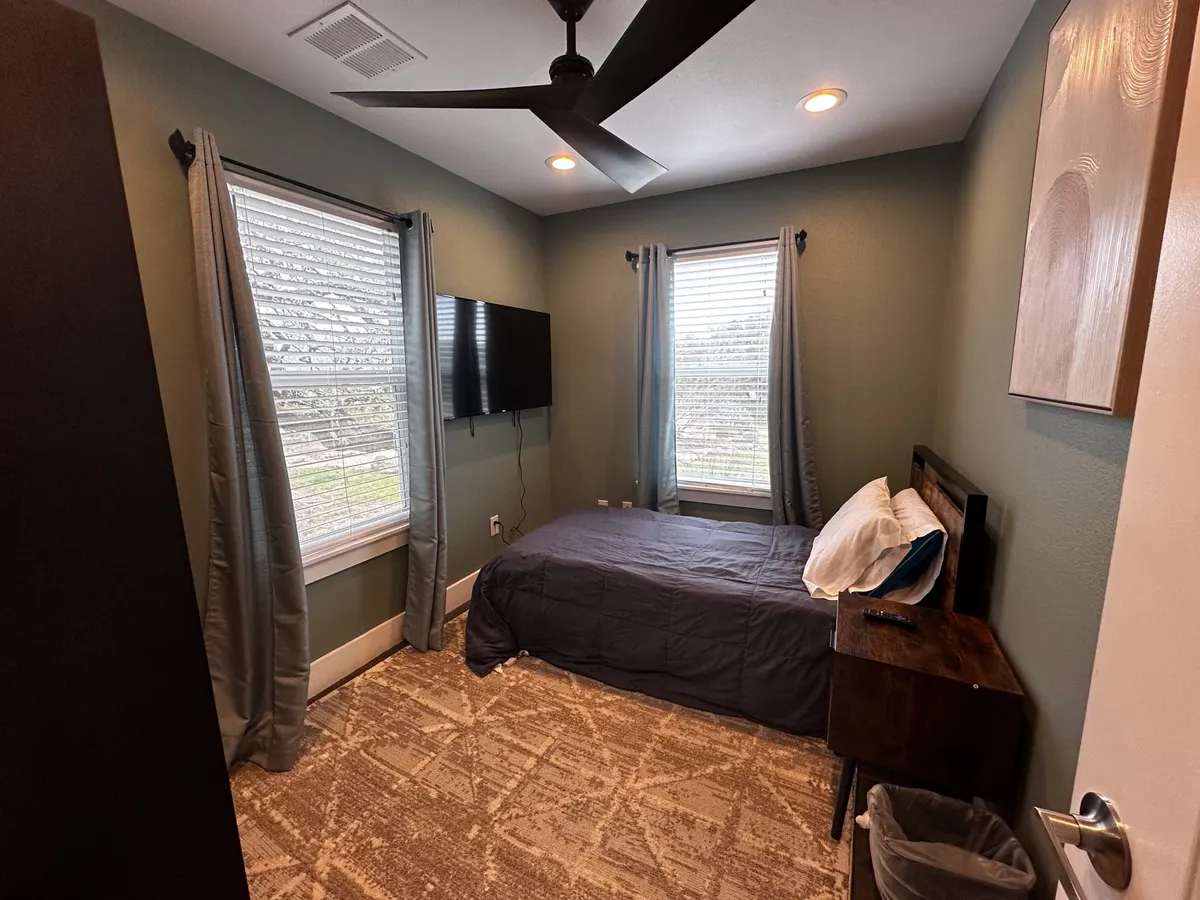




Going Back to Rehab
If you determine that you need to go back to drug rehab for a second round of treatment, it’s likely not because rehab “didn’t work” the first time. Although you may need to look for a different type of treatment program that best meets your needs, recovery from drug and alcohol addiction is a long-term process that often requires several episodes of treatment. Due to the chronic nature of addiction, relapse sometimes happens. It’s not a sign that rehab failed, rather, it’s an indication that your treatment needs to continue or be adjusted.1
A second round of rehab can be beneficial in many ways. Going back to rehab can allow you to work one-on-one with a therapist and address the causes of your relapse and learn how to respond differently to those things. You may also find that you’re more committed and involved in your treatment the second time around because you’ve already had a taste of the goodness of sobriety.
Going back to rehab to continue your treatment doesn’t mean that you’ve failed and recovery isn’t something that happens overnight. It is an ongoing process and fully overcoming your substance use disorder will require long-term treatment and maintenance.

Freedom Starts Here. Take Back Your Life Today.
Same-Day Admissions in Austin Available.
8 Tips to Make the Most of Your Time in Rehab
If you’re going back to rehab, you might be wondering, “How can I make my upcoming visit to rehab more effective than the last time I went to rehab?” There are several things you can do to make the most of your time spent in drug rehab.
Accept the fact that you can’t do this on your own
It’s hard to accept the fact that you need help, but if abstinence were easy, you could just give up the drugs and alcohol and move on, right? In truth, getting sober is hard but having the support of sober peers and treatment professionals can make the process easier. Plus, there is a lot to learn from others who have been in your shoes. You are much more likely to get sober and stay that way when you give up the idea that you can do it on your own.
Don’t expect things to change right away
It’s tempting to have unrealistic expectations about drug rehab and what your life will look like after you leave treatment, but drug rehab isn’t a “cure” for addiction and maintaining your sobriety after rehab is a learning process. While you’re in treatment, it’s important to give yourself time to heal and allow yourself to grow and change at your own pace, no one else’s. If you expect things to change right away, you’ll be sorely disappointed because genuine and lasting life changes take time.
Focus on the here and now
Mindfulness is a skill that will help carry you through treatment and into a new life of recovery. Although it doesn’t come naturally, your counselors and therapists can help you learn how to practice mindfulness while you’re in drug rehab. Maintaining a focus on the here and now means you don’t linger on regrets or past mistakes and you don’t worry about the future. Instead, you practice being content with where you are and who you are now and you learn to accept your current circumstances. Doing so takes practice, but it is a valuable tool that will help you fight cravings and avoid relapse.
Make an effort to connect with others
People don’t recover in isolation and peer support is essential to recovery. The process of recovery is heavily supported through healthy relationships and social networks.2 Connecting with your peers and treatment specialists while you’re in rehab can help you find meaning and purpose in life, as well as a sense of belonging. Engaging with others in recovery can improve your ability to communicate with others, problem-solve, help others, remain accountable to your sobriety, and learn how to have fun as you establish relationships that aren’t centered around drugs or alcohol.3
Prepare for the transition back to “normal” life
During drug rehab, the transition back into normal life is also a process. Working with your counselors and therapist to identify triggers and develop a plan to address them is a great way to prepare, especially if you’ve relapsed before. Additional treatment services like a sober living program, peer monitoring program, or aftercare are also extremely helpful resources that can help mitigate challenges during the transition out of rehab.
Don’t give up
No matter how badly you want to leave or give up on yourself, trust the process and know that you can recover with the right support. Attending H&I meetings and talking to other people who have overcome their addictions may provide some additional encouragement, hope, and show you that it is possible to take your life back from addiction.
Continue Your Recovery Journey Today
Going back to rehab is a courageous choice and one that demonstrates your willingness to change for the better. If you’re ready to get started, call Nova Recovery Center today to speak with an admissions representative.
References
References:
- https://www.drugabuse.gov/publications/principles-drug-addiction-treatment-research-based-guide-third-edition/principles-effective-treatment
- https://www.samhsa.gov/find-help/recovery
- https://www.ncbi.nlm.nih.gov/pmc/articles/PMC5047716/
Other Drug and Alcohol Rehab Locations
-
Drug Detox in Austin, Texas →
-
Drug Detox in San Antonio, Texas →
-
Drug Detox in Houston, Texas →


Frequently Asked Questions About Making the Most of Rehab and Recovery
What really happens in rehab, and can addiction ever be ‘cured’?
Rehab combines therapies (like counseling, medication-assisted approaches, and community support) to reshape behaviors and coping skills. While addiction isn’t technically “cured,” with consistent help and care it becomes manageable, much like chronic conditions such as asthma. Sustained treatment significantly improves long-term outcomes.
How do inpatient and outpatient rehab differ, and what should I expect from each schedule?
Inpatient rehab delivers round-the-clock care, structured routines, therapy sessions, and a drug-free environment. Outpatient programs offer flexibility, allowing you to stay home while attending sessions. The choice depends on the intensity of your needs. Program lengths vary, but most range from a few weeks to several months.
Staying sober feels hard. What keeps people going on their recovery journey?
Beyond initial determination, many lean on regular therapy, self-reflection, and measurable personal goals. Recovery isn’t about perfection but progress: celebrating small wins, embracing setbacks as learning moments, and building life beyond addiction’s hold. It truly becomes a path of personal growth.
Group therapy or individual therapy, what’s better? Are there other forms of sober support?
Both have unique strengths. Group therapy fosters community and shared empathy, while individual therapy offers tailored attention to your challenges. Additional options include peer-led programs like SMART Recovery, which focuses on self-empowerment, or LifeRing, which emphasizes sobriety without spiritual mandates.
Why is planning for aftercare so important, and how does that prevent relapse?
Aftercare bridges the gap between structured treatment and everyday life. Whether it’s joining a recovery group, continuing therapy, or working with a peer coach, aftercare fortifies your support system. It builds tools to cope with triggers and helps you stay confident, reducing the chance of relapse.
How can open-mindedness shape a stronger, more resilient recovery?
Approaching recovery with curiosity (being open to alternative therapies, support groups, or personal coaching) can unlock new paths to healing. Sometimes, stepping outside traditional methods (like 12-step meetings) and trying something like harm reduction or medication-assisted support opens surprising doors to long-term change.
What are the most effective relapse prevention strategies I can carry forward?
Stay vigilant of stress, unexpected triggers, or isolation. Build coping strategies, like CBT-based tools, daily routines, connection with sober peers, and support for mental health. Whether through therapy, a sober companion, or recovery coaching, the key is proactivity and self-awareness preventing backtracking.
What clients say
Trusted by clients across Texas
4.6 from 434 Google reviews across 9 locations
Across Nova Recovery Center, Briarwood Detox Center and Eudaimonia Recovery Homes
★★★★★
“Nova is far from perfect, and some of the information can be misleading. But if you want to cover the 12 Steps while enjoying good food and a beautiful scenic view, this is the place for you. The…”
10 months ago · Wimberley
★★★★★
“I did 90 days at Nova Recovery 6 years ago. I am still sober today. And living a life I could have never imagined. The people and the program they are running impacted me for a lifetime. Better than…”
2 years ago · Wimberley
★★★★★
“I went to Nova almost 9 months ago and I wouldn’t change it for the world. The staff when I first entered were very nice and welcoming. As a 19 year old that didn’t know what I was getting myself…”
2 years ago · Austin
★★★★★
“Nova Recovery Center has been an invaluable part of my journey to sobriety. The intensive inpatient program, coupled with the unwavering support and guidance from my recovery specialist, Mark Rector…”
2 years ago · Austin


★★★★★
“I had such a positive experience at Nova Recovery in Wimberley! The staff genuinely cares and went above and beyond to support me every step of the way. The peaceful setting made it easier to focus…”
a year ago · Wimberley
★★★★★
“I love Nova so freaking much. Nova has saved my life in more ways than one. I was hopeless and had no solution suffering from this disease. The staff there never gave up on me. I was the worst client…”
2 years ago · Austin
★★★★★
“I know Mark rector is non-binary however it saved my life and it did a good job with CPR and I don't know how aside from staying sober I could ever repay it thank you Mr or Mrs or whatever you're…”
8 months ago · Austin
★★★★★
“It's been a few years since I was a patient at Nova Recovery Center. Recently I have been reflecting on my time there and how incredibly grateful I am for the experience I had. I have been to 7 rehab…”
2 years ago · Austin


Talk to someone today
Ready when you are
Admissions are answered 24 hours a day by a person, not a queue. We will check your benefits for free and tell you what treatment would actually cost.
Free and confidential · No obligation