Treatment
Define Your “Higher Power” In Drug and Alcohol Rehab
Excellent 4.6 out of 5 434 Google reviews across our locations


Published May 18, 2018
Updated August 28, 2025
At Nova Recovery Center, our drug and alcohol rehab programs are rooted in evidence-based treatment practices such as 12-step facilitation therapy. This specific type of therapy aids in treating drug and alcohol addiction by helping recovering addicts modify their behaviors and attitudes.
There are three main concepts of 12-step facilitation therapy that work together to assist clients.1 These are:
- Acceptance: Realizing that addiction is a chronic disease and that willpower alone will not be enough to overcome it. Abstinence from drugs and alcohol is the only way to be free of the disease.
- Surrender: Giving up control to a higher power and accepting the support of other recovering addicts and group activities set forth by the 12-step support group.
- Active Involvement: Being fully engaged in each group meeting and any 12-step group activities.
Although 12-step facilitation therapy is designed to carry all recovering individuals through this life-changing process, the recovery experience is unique for each person and no two people will have the same recovery story or the same thoughts about the 12-step program.
Alcoholics Anonymous: The Dilemma of the Higher Power
Addiction is a unique disease because unlike other medical disorders, it is also a spiritual disorder. Step two of the 12-step program addresses the spiritual aspect of addiction with the following concept: “We came to believe that a Power greater than ourselves could restore us to sanity.”2
Some people find themselves stumbling over the idea of having a “higher power,” especially those that do not associate with any religion or believe in a God of any kind. How is a person supposed to trust that a higher power will remove the addiction from his or her life if he or she doesn’t believe in the power in the first place?
If you find yourself wrestling with this dilemma, you are definitely not alone. Although it may seem like the 12-step program just isn’t for you, countless people work through the 12-step program without converting to a specific religion or compromising their own personal beliefs. In fact, many people find that they are much more spiritually connected to themselves, others, and the world around them after working through the 12 steps, regardless of what they choose to make their higher power.
The most important thing to remember when working through the 12-step program during drug and alcohol rehab is that you have the ability to choose your own higher power. No one else can do that for you and there are no limits or restrictions on what you choose to designate as your higher power.
What Is a Higher Power?
Although there is no pre-determined definition of a “higher power,” the concept of having a higher power in addiction recovery is extremely important.3 For those who believe in a God, it’s typically easiest to give up control to that God and trust that he/she/it will help them face the many challenges and obstacles of obtaining long-term sobriety.
On the other hand, for those that don’t believe in a God, accepting the idea of a higher power and choosing one may be more difficult. Despite the fact that it may be tempting to just avoid the whole higher power thing entirely, spirituality is actually a very important part of your recovery.
Research shows that aspects of spirituality are associated with positive outcomes for trauma survivors, including those who are suffering from depression and PTSD.4 Oftentimes, addiction is a symptom of trauma, difficult life experiences, and other obstacles that people are otherwise unable to cope with. Cultivating a healthy spirituality may create meaning and purpose for living, and help individuals cope with difficult life circumstances and trauma.
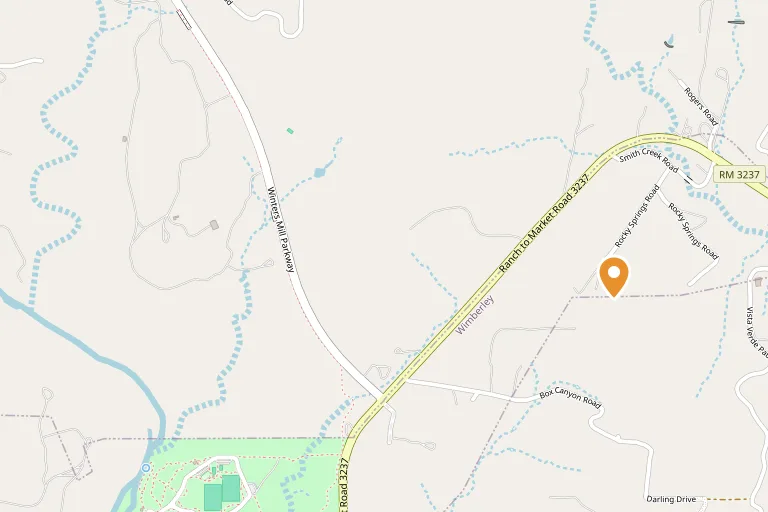
Residential
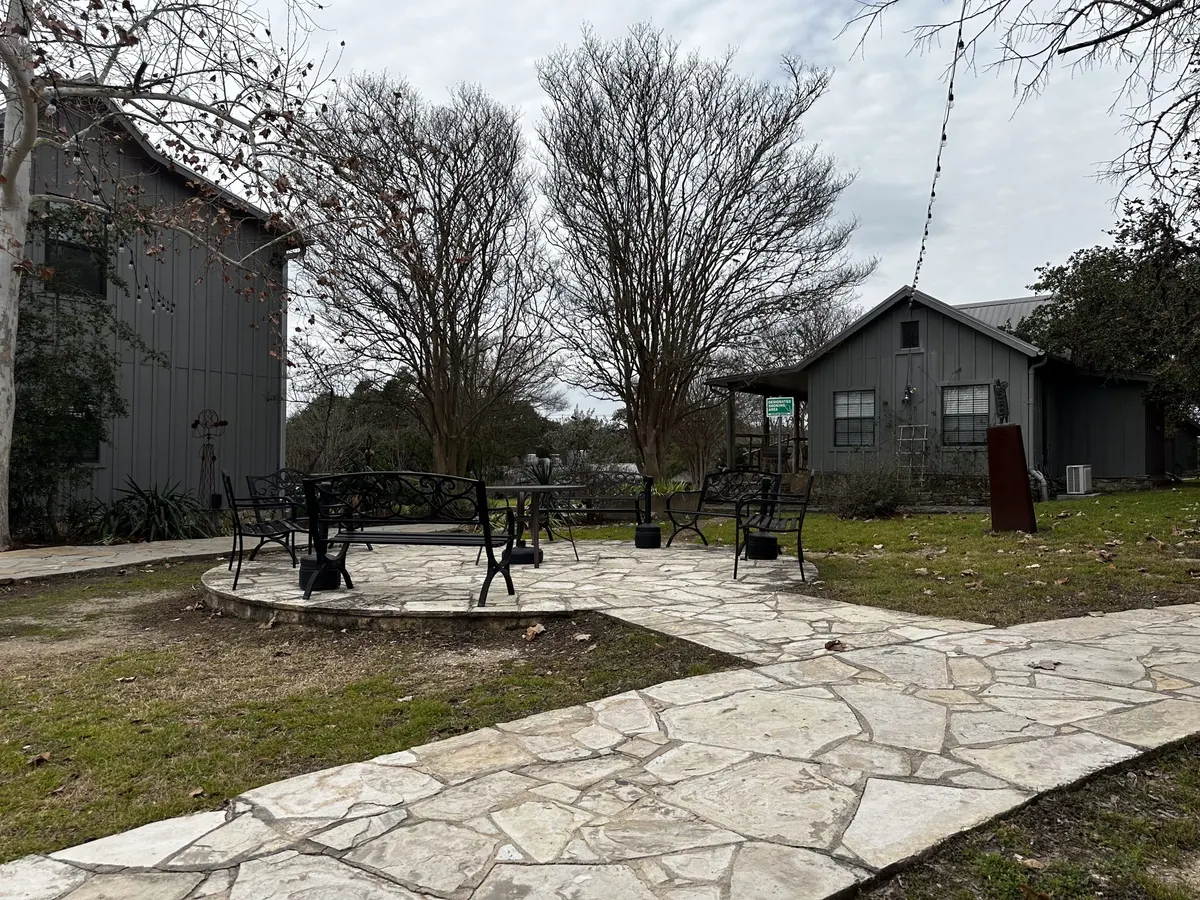
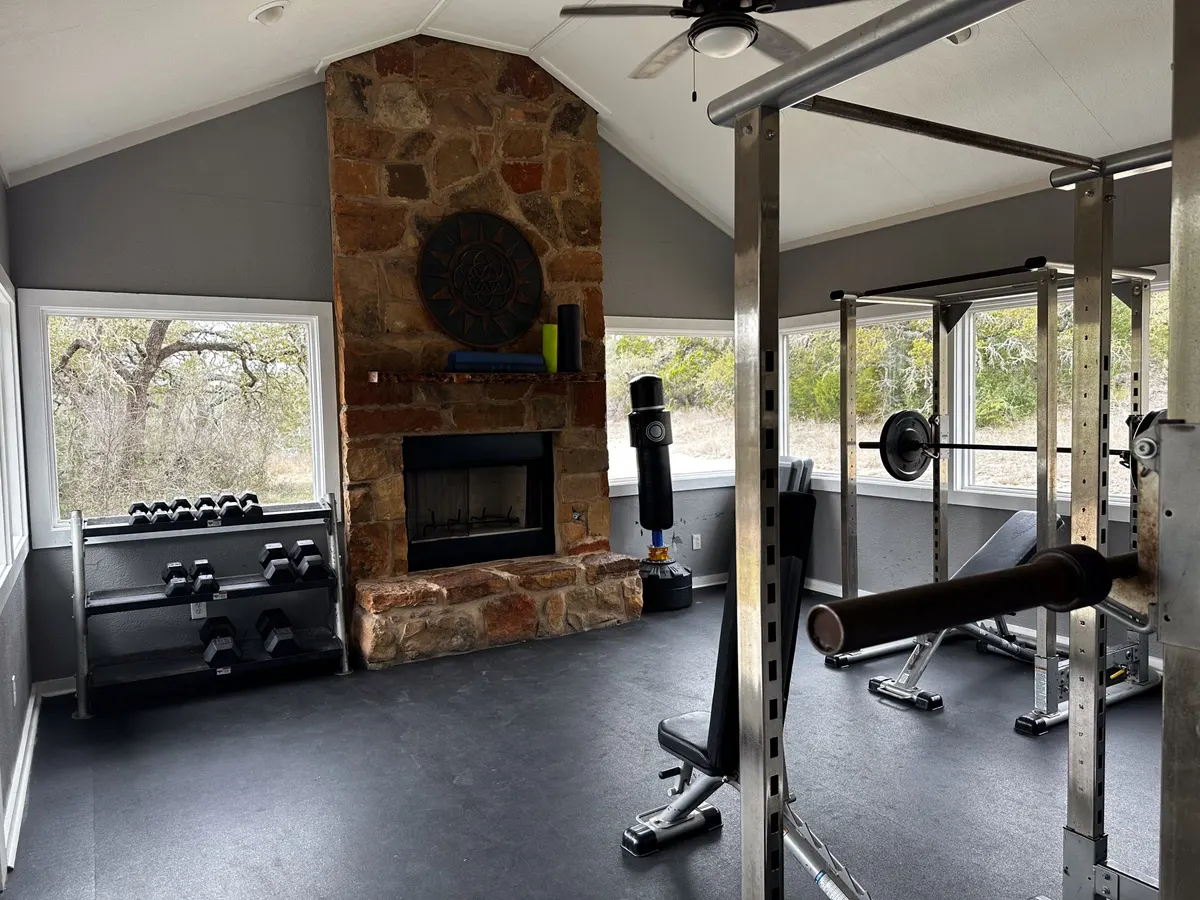
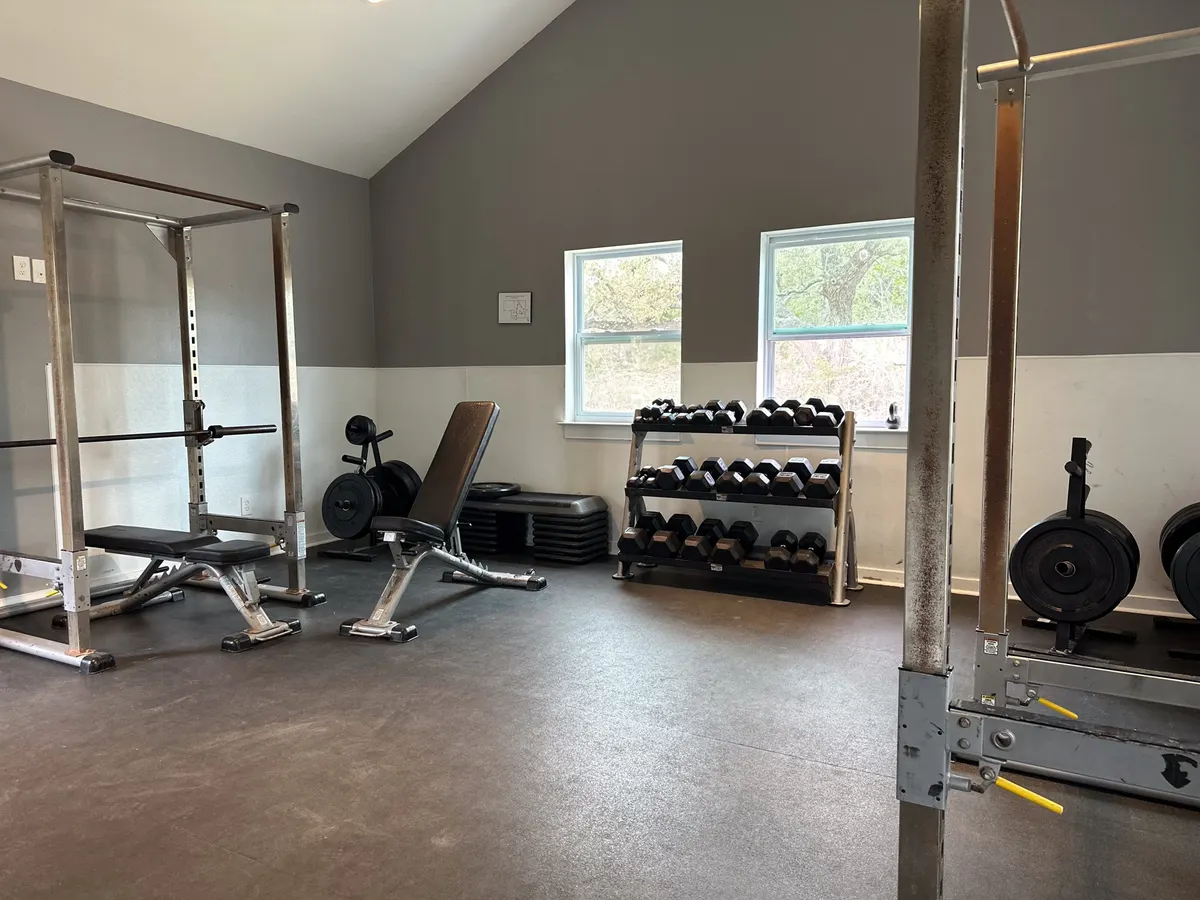
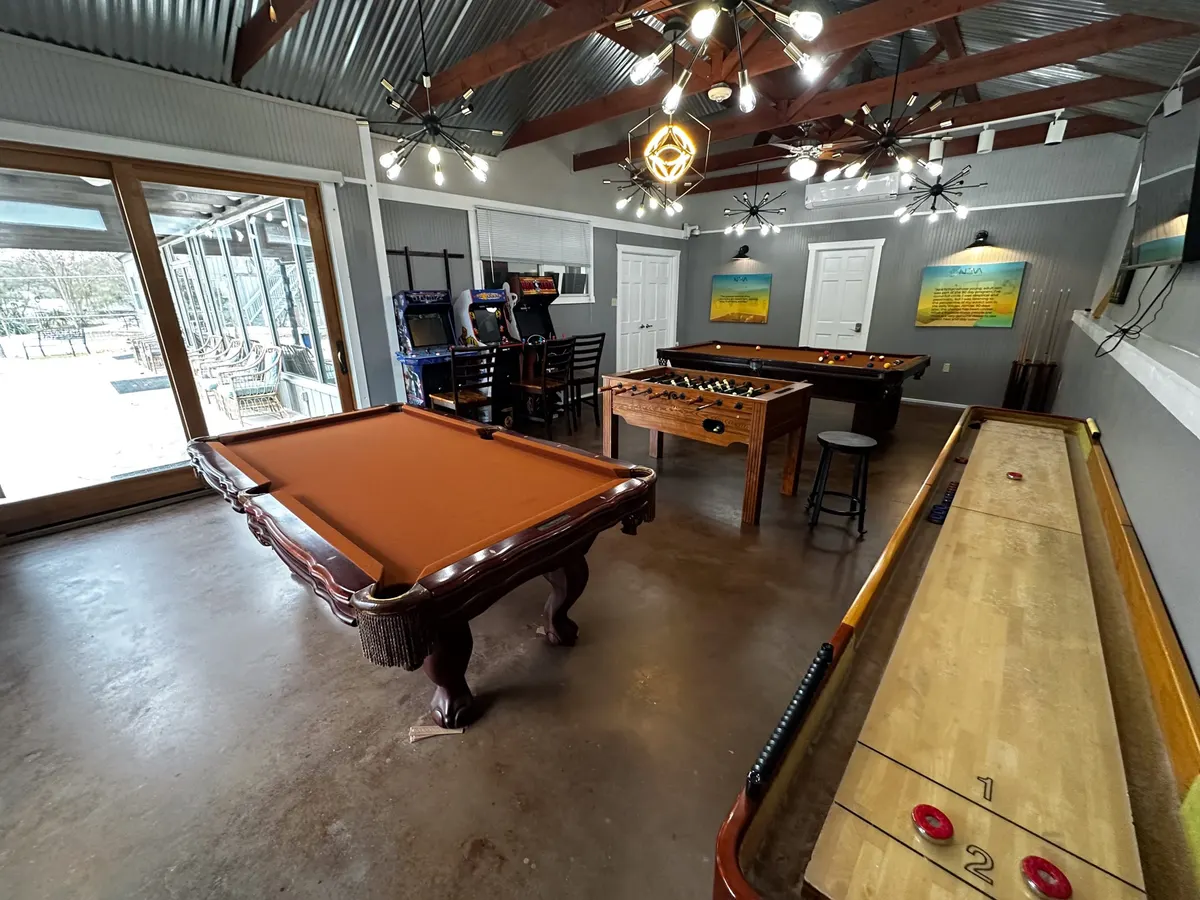
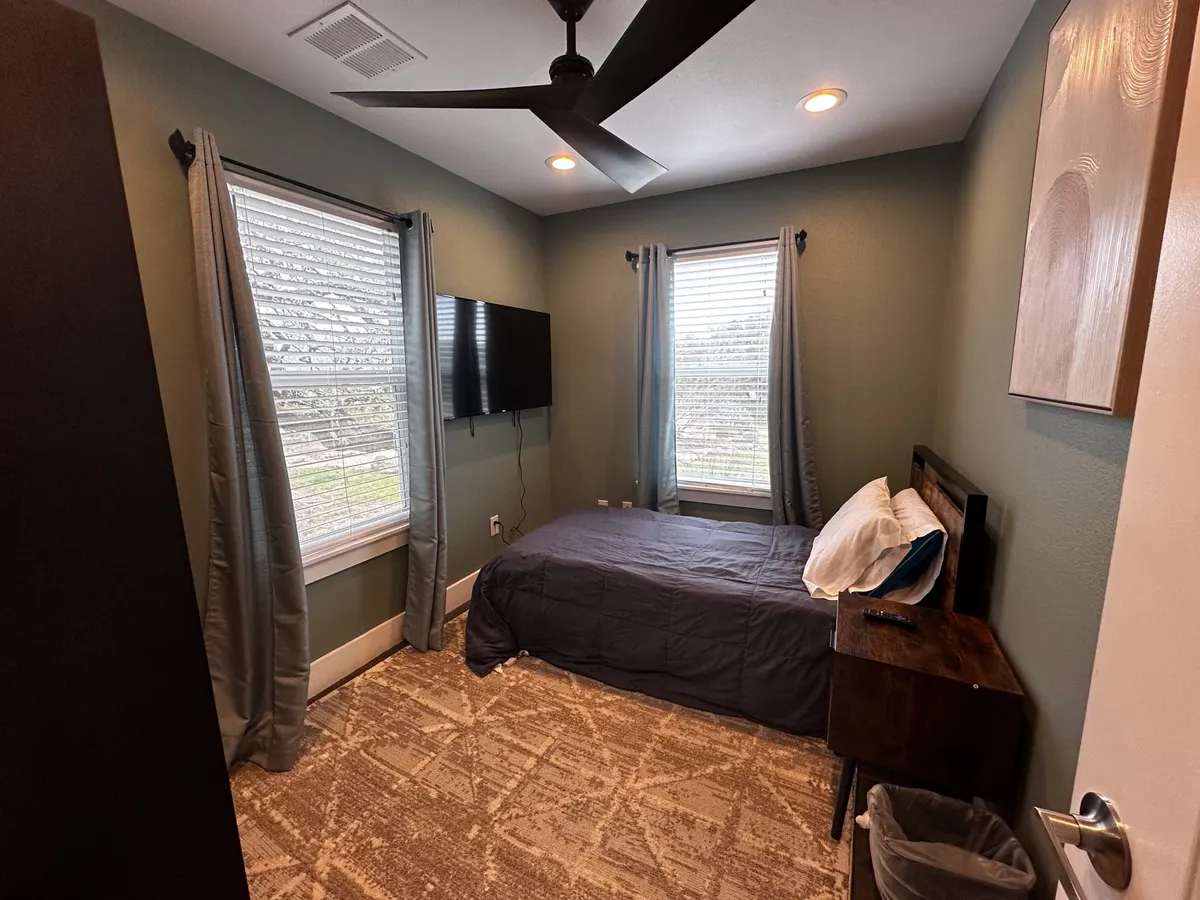
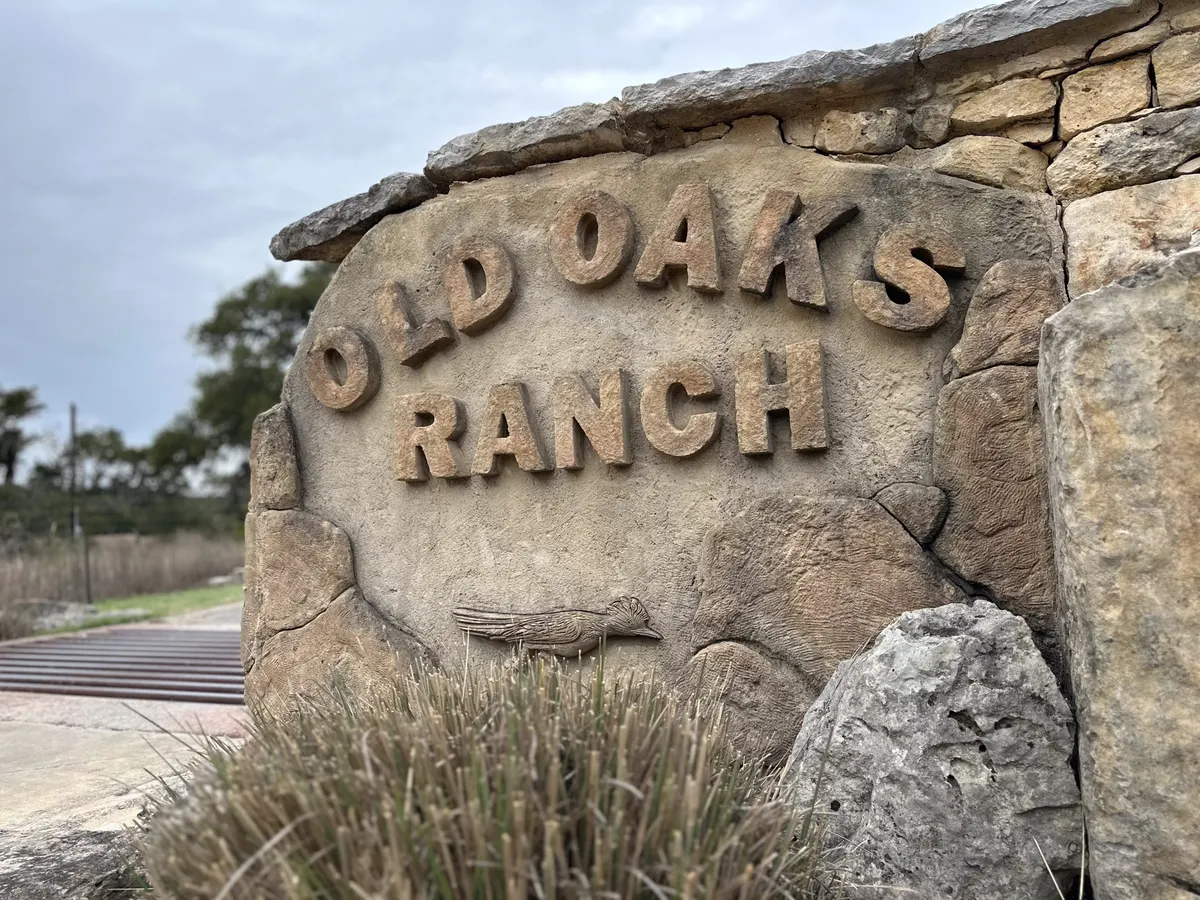
Nova Recovery Center Drug and Alcohol Rehab - Wimberley, TX
601 Old Oaks Ranch Rd, Wimberley, TX 78676
Choosing Your Own Higher Power in Drug and Alcohol Rehab
The guiding concept that something bigger than yourself is guiding your recovery journey will reappear a lot in your 12-step literature, and this concept will help you remain focused and motivated throughout your experience in drug and alcohol rehab. It will even help you conquer challenges well after you’ve graduated from your program and moved on to live an independent sober life.
Addition Reading: See How One of Our Alumni, struggled with a Higher Power
If you don’t believe in a God, it’s still important for you to choose something that will be your very own personal higher power. There is no need to feel pressured by the choices of other individuals in your drug rehab program. Instead, your higher power should mean something to you and should be a very personal choice.
If you’re struggling to define your own higher power while working through a 12-step program in drug rehab, here are some ideas to get you started.
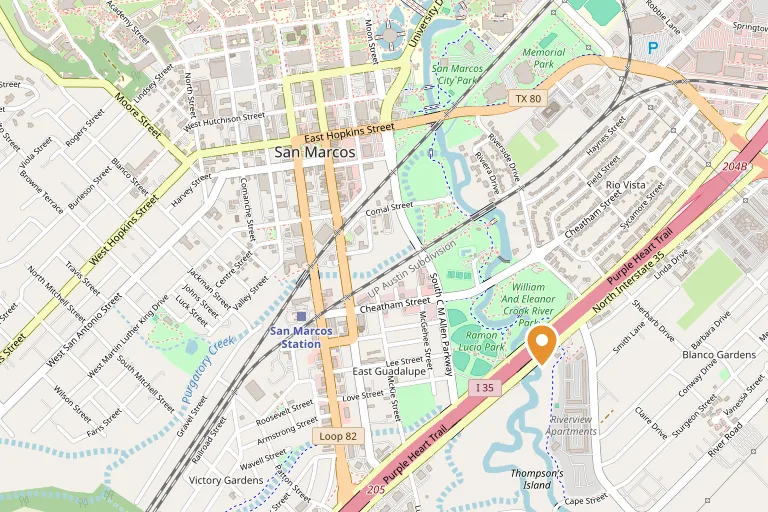
Outpatient
Nova Recovery Center Drug and Alcohol Rehab - San Marcos
1205 TX-123 #103, San Marcos, TX 78666
- Nature: Nature is a very powerful force. It is beautiful, balanced, and all around us. Connecting spiritually with nature can be a very calming and restful experience and the belief that nature is a guiding force may be easier to believe for those who find rest in taking an early morning walk while watching the sunrise or hiking through the forest while soaking up all the beauty of the animals and the plants.
- Love: Love is another powerful force that brings people together and fosters mutual respect and kindness, and happiness. Love is a wonderful thing to choose as your higher power, and you may even find that it encourages you to treat others with more dignity and compassion while you also learn to love yourself.
- Reality: Believing in the idea that you physically cannot take a drink of alcohol without going overboard or that you will lose your husband and children if you don’t commit to a life of recovery could be enough to keep you going. Choosing to believe in reality as a higher power may be the perfect choice for someone who does not believe in a God.
- Music: Listening to music or creating music is a very spiritual experience. It can relieve stress, reduce anxiety, and help people express strong emotions and feelings that some people may attempt to cloak with drug and alcohol abuse out of fear or an inability to express them.
If you’re still struggling to define your own higher power, give it some time. Talk to other people in your recovery group about how they found their own. It may not come to you right away, but as you continue in your recovery journey, you may find that your higher power simply makes itself known to you.
The opportunity to engage in 12-step facilitation therapy and support group meetings while enrolled in an addiction treatment center is a wonderful chance to define and connect with your own higher power while you learn how to live a life free from addiction.
If you’re interested in learning more about 12-step facilitation therapy or our long-term rehab program for men and women, please call (512) 605-2955 to speak with a Nova admissions specialist today.
Other Drug and Alcohol Rehab Locations
-
Drug Detox in Austin, Texas →
-
Drug Detox in San Antonio, Texas →
-
Drug Detox in Houston, Texas →


What does “Higher Power” mean in addiction recovery?
In recovery, “Higher Power” isn’t a formal religious term. It’s anything greater than yourself that offers purpose, strength, or guidance: nature, love, community, inner wisdom, or even the recovery group itself. The key is that it’s meaningful and supportive in your sobriety journey.
Do I have to believe in God to follow a 12‑Step program?
Absolutely not. While some people do find God meaningful, 12‑Step programs explicitly allow you to define “Higher Power” in a way that fits your life and beliefs, yes, even if you’re non‑religious or atheist.
How can trusting or surrendering to a Higher Power actually support my recovery?
The act of trusting something greater helps shift the focus from going it alone to feeling supported. That sense of hope, humility, and meaning can become a stabilizing force, especially in times when addiction urges feel overwhelming.
What’s the difference between spirituality and religion in recovery?
Spirituality is a personal connection to meaning, purpose, or transcendence, how you relate to something beyond yourself. Religion often refers to shared beliefs, rituals, or communities. In recovery, many programs emphasize spirituality, allowing each person to define it personally, rather than prescribing a particular religion.
Why is Step 2 (“came to believe that a Power greater than ourselves could restore us to sanity”) so important?
Step 2 isn’t just spiritual rhetoric. It prompts a shift from isolation to openness. Psychologically, acknowledging a source of support fosters hope and humility, laying the foundation for meaningful change. It’s one of the most transformative steps in the recovery journey.
What clients say
Trusted by clients across Texas
4.6 from 434 Google reviews across 9 locations
Across Nova Recovery Center, Briarwood Detox Center and Eudaimonia Recovery Homes
★★★★★
“Nova is far from perfect, and some of the information can be misleading. But if you want to cover the 12 Steps while enjoying good food and a beautiful scenic view, this is the place for you. The…”
10 months ago · Wimberley
★★★★★
“I did 90 days at Nova Recovery 6 years ago. I am still sober today. And living a life I could have never imagined. The people and the program they are running impacted me for a lifetime. Better than…”
2 years ago · Wimberley
★★★★★
“I went to Nova almost 9 months ago and I wouldn’t change it for the world. The staff when I first entered were very nice and welcoming. As a 19 year old that didn’t know what I was getting myself…”
2 years ago · Austin
★★★★★
“Nova Recovery Center has been an invaluable part of my journey to sobriety. The intensive inpatient program, coupled with the unwavering support and guidance from my recovery specialist, Mark Rector…”
2 years ago · Austin


★★★★★
“I had such a positive experience at Nova Recovery in Wimberley! The staff genuinely cares and went above and beyond to support me every step of the way. The peaceful setting made it easier to focus…”
a year ago · Wimberley
★★★★★
“I love Nova so freaking much. Nova has saved my life in more ways than one. I was hopeless and had no solution suffering from this disease. The staff there never gave up on me. I was the worst client…”
2 years ago · Austin
★★★★★
“I know Mark rector is non-binary however it saved my life and it did a good job with CPR and I don't know how aside from staying sober I could ever repay it thank you Mr or Mrs or whatever you're…”
8 months ago · Austin
★★★★★
“It's been a few years since I was a patient at Nova Recovery Center. Recently I have been reflecting on my time there and how incredibly grateful I am for the experience I had. I have been to 7 rehab…”
2 years ago · Austin


Talk to someone today
Ready when you are
Admissions are answered 24 hours a day by a person, not a queue. We will check your benefits for free and tell you what treatment would actually cost.
Free and confidential · No obligation