

















Last Updated on September 9, 2026
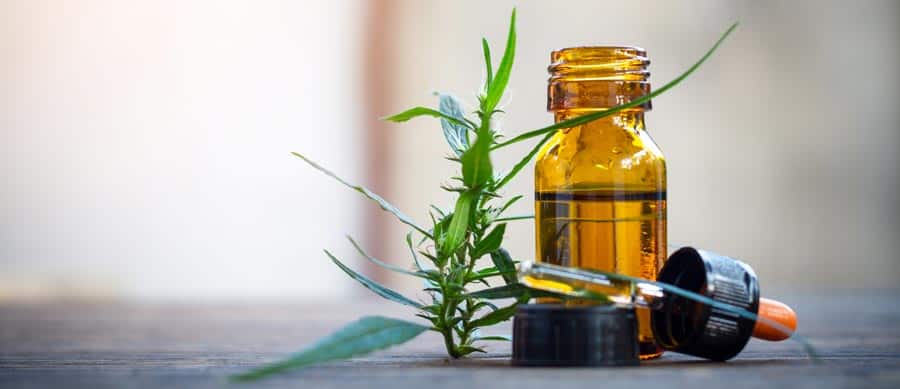
Table of contents
As more states test the waters with the legalization of marijuana, a dangerous new trend is rearing its head: dabs.
What are dabs?
Dabs or hash oil concentrate is a distillation of the essential active ingredients in marijuana resulting in a very powerful concentrate. Often referred to as BHO (butane honey oil) or just hash oil, dabs contain a highly concentrated form of THC and can be dangerous to both make and consume.
According to 2021 data from the National Center for Drug Abuse Statistics, marijuana concentrates, or dabs, sometimes contain 40 to 90% THC and are about four times stronger than top-shelf marijuana, which typically contains about 20% THC.1,2 Dabs also produce an extremely powerful high that hits the user all at once instead of gradually increasing in intensity over time.
Hash oil usually looks like:
- Gooey liquid wax (hash oil, honey oil)
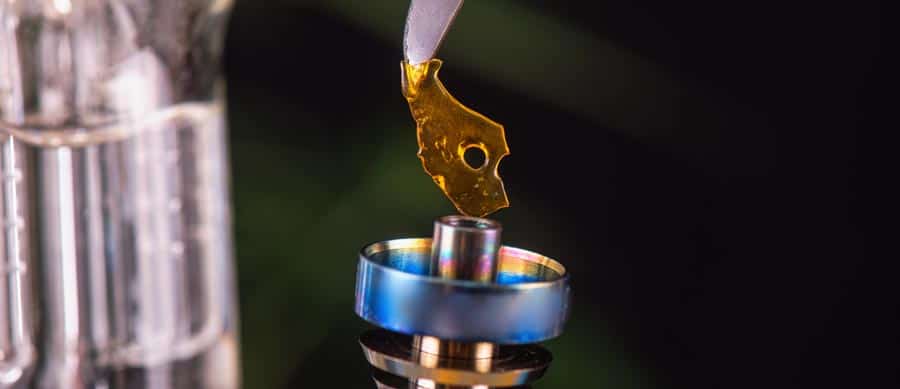
- Hard, amber-colored solid (shatter)
- A soft solid with a texture similar to lip balm (wax, budder)
Dabbing is a growing trend among younger marijuana users. It has become even more popularized as more states begin to legalize recreational marijuana. Randy Simmons, Program Director for I-502 for the Washington State Liquor Control Board, says, “Right now in Washington, if you are in mid-twenties and younger, you prefer hash oils and vaporization as opposed to smoking.”
What’s the difference between dabs, concentrates, and extracts?
The various terms used to describe marijuana products can be confusing, but generally speaking, here’s the difference between the terms dabs, concentrates, and extracts.
- Dabs can refer to marijuana products made with butane hash oil but it can also be used to describe marijuana concentrates extracted with other methods.
- The term concentrates generally refers to all products that have been derived from the marijuana plant.
- Most often, the term extracts refers to marijuana extracts that are manufactured using solvents.
The terms extracts and concentrates are often used interchangeably. However, some people describe extracts as marijuana products that are solely extracted using solvents, but not any other types of methods.
How does dabbing work?
There are several ways people might use dabs, but generally, they are heated to a very high temperature and then inhaled. By inhaling dabs, the effects of the drug can be felt immediately. Two of the most common ways people dab is by:
- Dabbing with a glass bong: Some people use a special type of glass bong called an oil rig to dab.
- Dabbing with a vaping device: Some people put hash oil in vape devices and dab that way. This method of using hash oil allows them to dab in public places because there is no smoke or distinct marijuana smell.
Why is dabbing dangerous?
Making the concentrate involves a process of butane gas extraction, and attempting to make it at home can be dangerous and lead to an explosion. People across the country have been injured while trying to make their own butane hash oil.
The process involves fusing marijuana with a hydrocarbon, typically butane gas. After being put under intense pressure, the butane strips the THC from the plant and results in a goopy substance that still contains butane. This additional butane has to be cooked out before the final product is made. Cooking down an explosive chemical like butane is dangerous and this step can lead to an explosion.
Additionally, dabs contain an incredibly concentrated form of THC. In an interview with CNBC, Brian Ruden, owner of Starbuds, a marijuana dispensary in Denver, stated that “while regular marijuana might contain 15 or 18 percent THC, hash oil concentrate gets closer to 80 or even 90 percent.” Experts are concerned that using such a highly concentrated dose of THC will lead to abuse and addiction.
What are the harmful side effects of dabbing?
Although the risks associated with dabbing are not yet fully understood, using marijuana in any form can cause adverse health effects.3 However, since dabbing delivers much more THC to the body all at once, the higher doses of THC are more likely to cause physical dependence and addiction.
Steve Millette, executive director of CeDAR, the University of Colorado Hospital’s residential rehab is worried about the rising popularity of such a powerful substance. He states, “The younger a person begins to indulge, the more likely he or she will become addicted.” He also added that using a concentrate is like, “going from a glass of beer to a glass of whisky.”
Research shows dabbing is also more likely to produce harmful side effects like:3
- Agitation
- Paranoia
- Anxiety
- Psychosis
Dabs can also be contaminated with pesticides and residual solvents that weren’t fully removed during the production process. As a result, people who use butane hash oil inhale the vaporized THC but they also inhale some butane and other harmful chemicals, which can cause health problems.
How to make dabs
Dabs are made commercially or at home and they can be made in several different ways. According to the National Institute on Drug Abuse (NIDA), they can be made in the following different ways:4
- Butane: Using flammable solvents, including butane, propane, ether, or alcohol to strip the THC from the marijuana plant is a common way to make dabs. However, the process also produces toxic fumes and is very flammable.
- Water: Another way to make water hash or bubble hash is to stir water, ice, and cannabis over a mesh hash bag.
- Rosin: Combining pressure with heat is another way to make dabs. People use heated rosin plates and fine mesh pouches to squeeze the oil out of the cannabis.
- CO2: Using non-flammable carbon dioxide solvents is known to create cleaner dabs that don’t contain harsh chemicals.
- Dry processing (finger hash): This method is more commonly used in third-world countries. It involves physically rubbing the hash off of the marijuana plant’s buds with your fingers.
What are dabbing withdrawal symptoms?
Dabbing may produce marijuana withdrawal symptoms, which can include:5
- Depression
- Anxiety
- Restlessness
- Insomnia
- Fatigue
- Changes in appetite
- Irritability
- Stomach pain
- Headache
- Shakiness
- Sweating
- Fever
- Chills
How to detox from dabs
If you’re addicted to dabs, quitting can be difficult due to the uncomfortable withdrawal symptoms. Many people attempt to detox from dabs on their own at home, but few succeed. The safest and most effective way to detox from dabs is with a medical detox program. Medical detox for marijuana addiction provides round-the-clock treatment for marijuana withdrawal symptoms, with therapeutic care to help you deal with the psychological symptoms of marijuana withdrawal.
Detoxing from dabs is just the start of recovery. Most people who are suffering from marijuana addiction need additional treatment and cognitive behavioral therapy to overcome their addiction. Fortunately, medical detox also provides access and recommendations for ongoing care so you can have a solid start to your recovery journey.
Treatment for cannabis use disorder
This explosive concentrated form of marijuana is a dangerous rising trend in drug use. It is powerful and can lead to addiction. Moreover, the process to make it is dangerous and can lead to injuries or even death.
Finding treatment for marijuana use disorder is essential if you want to overcome your addiction and live a sober lifestyle. Research on cannabis use disorder suggests that a combination of therapeutic interventions such as cognitive behavioral therapy, contingency management, and motivational enhancement therapy is the most effective treatment.
Going to rehab in Austin for dab abuse and addiction can help you avoid relapse and learn how to live daily life without dabbing. During rehab, you’ll also receive immense peer recovery support, which can help motivate and inspire you to stay sober.
Many people believe that marijuana isn’t addictive, but research has proven otherwise. If you or a loved one is addicted to dabbing, there is help available at our Austin recovery center. Call Nova Recovery Center today to speak with an admissions representative about our addiction recovery programs. We can also help you get into outpatient detox in Austin before you complete rehab.
References:
- https://drugabusestatistics.org
- https://www.dea.gov/sites/default/files/resource-center/Publications/marijuana-concentrates.pdf
- https://pubmed.ncbi.nlm.nih.gov/24897085/ https://pubmed.ncbi.nlm.nih.gov/26213314/
- https://www.drugabuse.gov/publications/drugfacts/marijuana-concentrates
- https://www.ncbi.nlm.nih.gov/pmc/articles/PMC5414724/
What Are Party Pills? Common Questions About Recreational Stimulants
Party pills are recreational stimulant drugs—often synthetic cathinones (bath salts), MDMA, or caffeine-ephedrine blends—marketed for euphoria and energy at clubs or raves. While they may seem harmless, party pills carry serious risks including addiction, overdose, heart problems, and unknown toxic ingredients. Understanding what these drugs are and their dangers is critical for safety and informed decisions about treatment.
What exactly are party pills?
Party pills are recreational drugs sold as capsules or tablets that promise increased energy, euphoria, and heightened sensory experiences at parties, raves, or nightclubs. They often contain synthetic cathinones (bath salts), MDMA (ecstasy/molly), piperazines (BZP), or dangerous combinations of caffeine and ephedrine. Because they’re frequently unregulated and made in clandestine labs, the actual ingredients can vary widely and may include toxic adulterants like fentanyl or methamphetamine.
Are party pills illegal?
In the United States, most substances found in party pills are controlled substances under the DEA’s schedules. MDMA is Schedule I, synthetic cathinones (bath salts) are Schedule I, and BZP is Schedule I as of 2002. While some vendors market these pills as “legal highs” or “herbal supplements,” possession, distribution, or use of controlled-substance party pills is a federal crime. Even if a product is labeled as legal, it may still contain illegal ingredients.
What are the health risks of taking party pills?
Party pills can cause severe health consequences including rapid heart rate, hypertension, hyperthermia (dangerous overheating), seizures, serotonin syndrome, paranoia, hallucinations, and violent behavior. Overdoses can be fatal. Long-term use may lead to addiction, cognitive impairment, cardiovascular damage, and mental health disorders. Because ingredients are often unknown and inconsistent, every use carries unpredictable risk.
Can you become addicted to party pills?
Yes. Many party pills contain highly addictive stimulants. Synthetic cathinones and MDMA can trigger compulsive use, tolerance (needing more to feel the same effect), withdrawal symptoms, and powerful cravings. Repeated use rewires the brain’s reward pathways, making it extremely difficult to quit without professional help. If you or a loved one is struggling with party drug use, evidence-based treatment is available.
Where can I get help for party pill or stimulant addiction?
Nova Recovery Center provides comprehensive addiction treatment for stimulant and party drug use disorders at locations in Austin, Houston, San Antonio, and Colorado Springs, plus online intensive outpatient programs (IOP) available anywhere. Our programs include medically supported detox, evidence-based therapies, trauma treatment, and long-term recovery planning. Call us 24/7 at (512) 893-6955 for a confidential assessment and immediate support.
If you or someone you care about is using party pills or other stimulants, don’t wait for a crisis. Addiction is a treatable medical condition, and early intervention dramatically improves outcomes. Contact Nova Recovery Center today at (512) 893-6955 to speak with an admissions specialist and learn about your treatment options.