















Last Updated on August 6, 2026
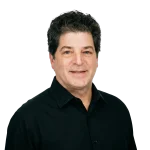
From an outsider’s perspective, Shane Rollins was a great father, a seriously talented professional arm wrestler, and one of the toughest guys out there. But on the inside, his addiction was tearing him apart, his marriage was in shambles, and his tough outer appearance was just a cover for the broken man he had become.
A Challenging Childhood
Growing up, Shane was a very active young kid. But when he was just eight years old, an unexpected hip disease diagnosis left him unable to run or jump for several years. Fortunately, by the age of 10, he had regained his mobility and was able to get back into sports. He became a talented wrestler and enjoyed competing, but life wasn’t done throwing curve balls his way.
When Shane was 15, he was accidentally shot with a high-power rifle. The incident nearly took his life and effectively ended his wrestling career in one foul swoop.
“The doctors told my parents I was going to die,” he says. “I was in surgery for 12 hours and they just couldn’t stop the bleeding.”
Miraculously, he survived, but after 32 days in a trauma center and two years being unable to walk, Shane’s spirit was crushed and he started relying on drugs and alcohol to cope. Although he had his first experience smoking marijuana at the age of 12 and had tried beer before, he wasn’t actively addicted until after his rifle accident.
“After the accident, I just took everything to the next level,” he says. “I had a million reasons why I was having a pity party and back then, my injuries were my reasoning behind it. Now that I’ve been through the program, I know I just drank like that because I was an alcoholic.”

Life-Changing News and the Descent into Addiction
Shane was first introduced to prescription opiates when he was shot, but he didn’t start abusing them until later in life. All throughout high school he was willing to do just about any drug that was placed in front of him. He rarely ever went to class and smoked pot hourly instead. By the time he was 22, alcohol, pills, and cocaine were his primary drugs of choice.
As a young adult, Shane got married, started a family, and found success as a carpenter and a professional arm wrestler, but through it all, his addiction raged on. Three DWIs, multiple drug and assault charges, jail time, and the birth of two of his children still wasn’t enough to get him to go to treatment. Then, the day after his 32nd birthday, he received a life-changing phone call.
“My best friend John had died,” he says. “I was at work when I got the call and drove an hour back home to his brother’s house. I knew that it was real, but it hadn’t sunk in yet. It wasn’t until I hugged his brother that I finally felt something and started to cry. As I was hugging him, I looked over and saw his liquor cabinet. A light just went off in my head and I was like, ‘This is what you need to do.’ I was blackout drunk for like a week.”
With the news of his best friend’s death, Shane’s alcohol and drug abuse spiraled out of control. When he wasn’t doing pills, he was on something else. But if one thing was certain, he was consistently drunk.
Shane finally reached a critical turning point one night when his actions nearly had devastating consequences for himself and his family. The next morning, he sat completely overwhelmed with shame and guilt. In his despair, even suicide seemed like an option. The realization that he needed help was suddenly very clear and two days later he was on a plane to Austin, Texas heading to rehab.
“I remember being so mad at God for getting shot, for John dying, for all the bad things that had happened to me in life … but now looking back, I realize that all those things are what it took for me to finally get help for my addiction,” he says. “I didn’t know what was going to happen in rehab, but I was all in. My wife was so scared because she had two small kids to care for, but I needed to spend those 90 days away from my kids and wife so I could come home and spend a lifetime with them.”
Hard Lessons and Truths
Shane spent 90 days at Nova’s inpatient rehab program, but things weren’t always easy. He was thousands of miles from his home near Frederick, Maryland and he missed his family.
“My son Cameron is non-verbal and autistic and I’m his right-hand man,” he says. “Going to Texas was leaving my heart behind in Maryland. I remember the first time they asked me to speak in group at Nova, I wanted to be so tough and not cry but I needed my family.”
During his time in drug rehab, Shane was also forced to face some harsh truths about himself and his addiction.
“Before I got sober, my wife hated me,” he says. “I thought I knew how much I had hurt her, but it wasn’t until we had our first family phone call in rehab that she told me everything. At times, she said she thought it would be easier if I were dead.”
“Even in my active addiction, I guess I was a pretty good dad, but I wasn’t the father God had intended me to be. And I never would have been if I hadn’t gotten sober.”
Despite missing his family, Shane worked hard and committed himself fully to the program. Although he did it for his wife and kids, he says he ultimately learned that he had to do it for himself too. As he worked through the 12-Step Program at Nova and regularly met with his counselors, he was able to slowly peel back the layers of himself and his ego and discover the importance of being vulnerable.
“I used to view vulnerability as a weakness, but really, it’s nothing but courage,” he says. “Now I know if I share my story 100 times, maybe just one person will hear it and it will help them.”
Today, Shane is drug and alcohol-free. He and his wife are happily married and they recently just welcomed a third new baby into the world. He admits that some days are hard, especially having a non-verbal son with autism, but Nova has given him the tools and life skills he needs to manage it all in a healthy way.
“I have a lot of people in the program who are there to support me when I call,” he says. “I don’t love my kids any more than I did when I was addicted, but I’m present today and I can actually be there for them.”
“If you’re still alive, there’s still hope. I thought I was too far gone and a lost cause. I was going to die a drunk and I didn’t think I could ever stop. My advice for other parents would be that it’s never too late. There’s always a way out and there are a ton of people who will be there for you.”
Attending Nova’s 90-day inpatient program was Shane’s first and final attempt at getting sober. Our long-term program provided the support, knowledge, and accountability he needed to get his life on track and be the father and husband he was meant to be.
If you’ve reached the end of yourself and you’re ready for treatment, contact us today to speak with an admissions specialist at Nova Recovery Center. We are ready to help you start your own recovery journey.
About This Story & Expert Support
This recovery narrative reflects the transformative journey many individuals experience at Nova Recovery Center. The story below is rooted in authentic patient experience and supported by evidence-based treatment approaches including cognitive behavioral therapy, family counseling, and peer support—core components of Nova’s residential and outpatient programs.
Why Recovery Stories Matter
Personal recovery narratives help others recognize that lasting change is possible. Research shows that exposure to authentic peer recovery stories increases hope and engagement in treatment. At Nova Recovery Center, we believe in the power of real human transformation backed by professional clinical care.
Treatment Methods Referenced in Recovery
- Residential Inpatient Rehab: Intensive, structured treatment in Austin and Wimberley for those requiring medical detox and 24/7 clinical support.
- Cognitive Behavioral Therapy (CBT): Evidence-based approach to identify triggers, reshape thought patterns, and build coping skills.
- Family Therapy: Rebuilds trust and communication with loved ones during recovery.
- Peer Support & Aftercare: Connection with others in recovery strengthens long-term sobriety and prevents relapse.
Ready to Start Your Recovery Journey?
If you or a loved one is struggling with addiction, Nova Recovery Center offers personalized treatment plans for drug and alcohol addiction. Our team of licensed counselors, therapists, and medical professionals work together to support your path to lasting recovery.
Call (512) 893-6955 to speak with an intake specialist and learn which treatment program is right for you.
Explore Related Recovery Resources
- How Dynamic Family Therapies Rebuild Trust and Support in Addiction Recovery
- The Importance of Sober Friendships in Recovery
- Breaking Alcohol Dependence with CBT: What You Need to Know
- Setting Realistic and Achievable Recovery Goals
- How Celebrating Recovery Milestones Can Increase Motivation
- What to Expect from Inpatient Rehab in Austin: A Complete Guide to Healing and Hope
Understanding Recovery and Fatherhood: The Clinical Context
Recovery from addiction is a deeply personal journey, and for many individuals, becoming a parent represents a pivotal moment of clarity and renewed purpose. Research shows that taking on parental responsibility can serve as a powerful motivator in long-term sobriety, provided the individual has access to evidence-based treatment, ongoing counseling, and a strong support network.
At Nova Recovery Center, we recognize that recovery isn’t a single event—it’s a continuous process of healing, rebuilding trust, and creating meaningful connections with loved ones. This story reflects the real experience of one individual navigating that path.
Key Elements of Sustainable Recovery
- Professional Treatment Foundation: Most individuals in recovery benefit from structured programs such as intensive outpatient programs or medically supervised detox to safely address withdrawal and establish coping strategies.
- Family Therapy and Trust-Building: Dynamic family therapies help repair relationships damaged by addiction and create a supportive home environment for long-term success.
- Ongoing Counseling and Aftercare: Comprehensive aftercare programs and alumni support provide continuity of care beyond initial treatment.
- Behavioral and Life Skills Development: Life skills therapy equips individuals with practical tools to manage stress, navigate relationships, and maintain sobriety in daily life.
Recovery as a Journey, Not a Destination
The transition to parenthood while in recovery requires intentional effort, professional guidance, and community support. Nova Recovery Center’s family counseling services and intensive outpatient programs are designed to help individuals and their families navigate this transformative phase with professional expertise and compassionate care.
Common Questions About Recovery and Parenthood
Can I become a good parent while in recovery?
Yes. Recovery and responsible parenthood are compatible when supported by professional treatment, structured daily routines, and family support. Many individuals find that the commitment to their children strengthens their recovery foundation. Evidence-based treatment programs, including therapy for addiction recovery, provide the tools and accountability needed for both sobriety and healthy parenting.
How does family therapy support recovery?
Dynamic family therapies address trust, communication patterns, and shared healing. They help repair relationships damaged by addiction and create a secure, supportive environment for children. Family involvement in recovery increases long-term success rates and teaches children healthy coping mechanisms.
What aftercare programs support parents in recovery?
Nova Recovery Center offers comprehensive aftercare programs that include ongoing counseling, support groups, and life skills training. These programs are specifically designed to help individuals maintain sobriety while managing parental responsibilities and building stable family relationships. Learn more about aftercare programs here.
How can I seek help if I’m struggling with addiction and have children?
Reaching out for professional help is the strongest choice you can make for yourself and your family. Nova Recovery Center provides flexible treatment options, including outpatient programs that allow you to maintain family connections while receiving care. Call (512) 893-6955 to discuss a treatment plan tailored to your situation.