

Drug & Substance Guide
Prescription opioids
Admissions answered 24 hours a day · Free and confidential
Excellent 4.6 out of 5 434 Google reviews across our locations

What clients say
Trusted by clients across Texas
4.6 from 434 Google reviews across 9 locations
Across Nova Recovery Center, Briarwood Detox Center and Eudaimonia Recovery Homes
★★★★★
“Nova is far from perfect, and some of the information can be misleading. But if you want to cover the 12 Steps while enjoying good food and a beautiful scenic view, this is the place for you. The…”
10 months ago · Wimberley
★★★★★
“I did 90 days at Nova Recovery 6 years ago. I am still sober today. And living a life I could have never imagined. The people and the program they are running impacted me for a lifetime. Better than…”
2 years ago · Wimberley
★★★★★
“I went to Nova almost 9 months ago and I wouldn’t change it for the world. The staff when I first entered were very nice and welcoming. As a 19 year old that didn’t know what I was getting myself…”
2 years ago · Austin
★★★★★
“Nova Recovery Center has been an invaluable part of my journey to sobriety. The intensive inpatient program, coupled with the unwavering support and guidance from my recovery specialist, Mark Rector…”
2 years ago · Austin


★★★★★
“I had such a positive experience at Nova Recovery in Wimberley! The staff genuinely cares and went above and beyond to support me every step of the way. The peaceful setting made it easier to focus…”
a year ago · Wimberley
★★★★★
“I love Nova so freaking much. Nova has saved my life in more ways than one. I was hopeless and had no solution suffering from this disease. The staff there never gave up on me. I was the worst client…”
2 years ago · Austin
★★★★★
“I know Mark rector is non-binary however it saved my life and it did a good job with CPR and I don't know how aside from staying sober I could ever repay it thank you Mr or Mrs or whatever you're…”
8 months ago · Austin
★★★★★
“It's been a few years since I was a patient at Nova Recovery Center. Recently I have been reflecting on my time there and how incredibly grateful I am for the experience I had. I have been to 7 rehab…”
2 years ago · Austin


Exceptional standards, backed by credible organizations
Our affiliations and accreditations
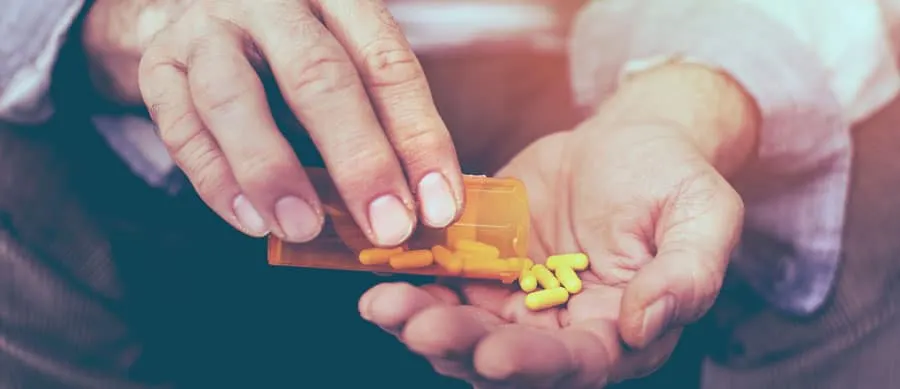
Most opioid drugs are prescription painkillers, with the exception of heroin, which is an illegal opioid drug. Prescription opioids are pharmaceutical drugs that can only be legally obtained with a medical prescription. Although a doctor may prescribe an opioid, abusing prescription drugs carries just as many risks as illicit drug abuse does. Nonmedical use of prescription opioids is not only illegal, but it’s also extremely dangerous.
Prescription opioids are very powerful and addictive. While these substances have the potential to treat chronic pain, they also can cause serious physical and psychological harm if they are misused.
What prescription opioid abuse is
Prescription opioid abuse is any use outside what was prescribed, and it covers more behavior than most people expect.
It includes taking someone else’s prescription, taking yours in a different way or at a higher dose than prescribed, taking it more often, self-medicating with it, buying it from a dealer or a friend, and taking it from a clinic or hospital.
The CDC figures on this page record 64,070 drug overdose deaths in 2016, a 21 percent increase over 2015, with three-quarters of all overdose deaths caused by opioids.
- What counts as abuse
- Any use other than exactly as prescribed
- U.S. overdose deaths, 2016
- 64,070
- Share caused by opioids
- Three-quarters of all overdose deaths
- What that includes
- Painkillers, heroin and synthetic opioids
If you recognized yourself in that list, that is the point of it. Calling is free and nothing is reported.
Prescription opioid abuse comes in many forms and may include some or several of the following behaviors:
- Taking someone else’s prescription opioids
- Taking a prescription opioid in a different way than prescribed
- Taking a higher dose than prescribed
- Taking the prescription more frequently than prescribed
- Self-medicating with prescription opioids
- Purchasing prescription opioids from a drug dealer or a friend
- Stealing prescription opioids from a doctor, clinic, hospital, or another type of medical facility
What Are Signs and Symptoms of Prescription Opioid Addiction?
Opioid drugs are generally safe when used on a short-term basis and as prescribed by a doctor. Prescription opioids include pain relievers such as morphine, codeine, oxycodone, and hydrocodone, among others. Heroin is an illegal opioid drug.
Opioid drugs interact with opioid receptors in the brain to create a pain-relieving and pleasurable feeling for those that take them. Unfortunately, this effect also makes these substances highly addictive. Prescription opiate abuse is a major problem in the United States today and many individuals who abuse prescription drugs are likely to become heroin abusers because it’s much easier and cheaper to obtain.
When an individual is addicted to opioids, he or she may exhibit some or all of the following signs and symptoms of addiction:
- Needing more of the drug to achieve the same effect (developing a tolerance)
- Being unable to control usage habits, such as how much or how often the drug is used
- Feeling symptoms of withdrawal when the effects of the drug fade
- Experiencing extreme changes in physical appearance and hygiene
- Choosing to do drugs instead of attending other obligations such as work, school or leisure activities
- Continually using drugs despite problems in all aspects of life
Legal and Physical Consequences of Prescription Opioid Abuse
Prescription opioid abuse reduces a person’s reaction time and may hinder a person’s ability to drive safely. Impaired driving can lead to car accidents and serious or fatal injuries. If you are stopped by the police while driving under the influence, you may also be arrested and charged, just as if you were driving under the influence of alcohol.
Purchasing prescription opioid drugs from a drug dealer or forging prescriptions can also get you into legal trouble, with possible jail sentences of anywhere from six to 12 months.
Physically, the adverse of effects of prescription opioid abuse vary based on the frequency of the drug abuse, how the drugs are abused, and any other drug or alcohol addictions the person has, among other individual circumstances. Regardless, short and long-term opioid use is very damaging and can even be deadly. Many people who abuse opioids are also at risk for overdose.
Opioid abuse can lead to serious health problems such as:
- Increased risk of blood-borne illness
- Weakened immune system
- Liver and kidney disease
- Collapsed veins (from injecting)
- Damaged nasal tissues (from snorting)
- Infected heart lining
- Pneumonia
- Abscesses at injection sites
- Coma
- Brain damage
- Increased sensitivity to pain
Common physical consequences of prescription opioid abuse include:
- Paranoia
- Trouble breathing
- Nausea
- Drowsiness
- Lethargy
- Malnutrition
- Pinpoint pupils
- Addiction
Opioid abuse and addiction may also lead to (or contribute to) serious psychological problems, including:
- Depression
- Insomnia
- Mood swings
Opioid addiction results in many social problems as well, such as:
- Job loss
- Strained relationships with family, friends, and coworkers
- Financial instability
- Crime
- Increased risk for accidents or injury from falls due to impairment
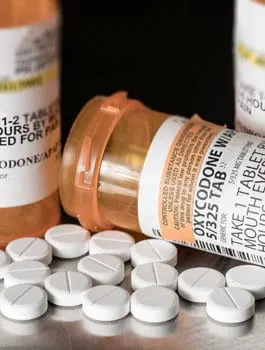
Commonly Abused Prescription Opioid Drugs
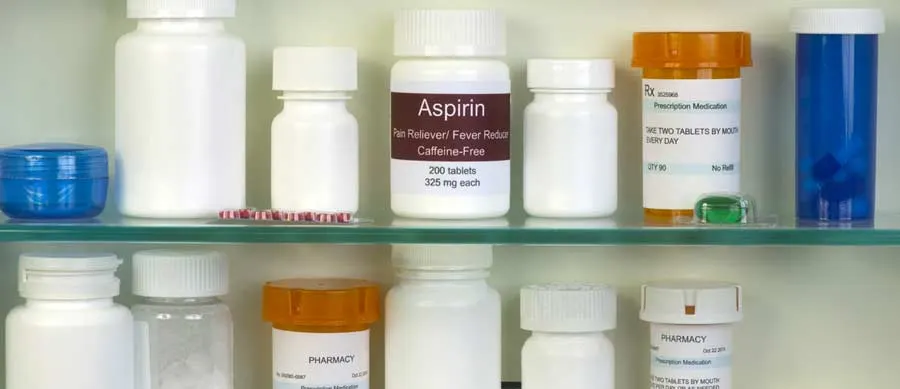
Some of the most commonly abused prescription opioid drugs include:
Prescription Opioid Addiction Treatment Options
Opioid addiction treatment should be individualized based on the circumstances of the client. Most individuals need to begin addiction treatment with a medically supervised prescription opioid detox program, followed by long-term drug rehab and behavioral therapy.
According to the American Society of Addiction Medicine, 20.5 million Americans ages 12 or older had a substance use disorder in 2015, and of those, 2 million misused prescription pain relievers and 591,000 misused heroin.
Prescription opioid addiction is clearly a major issue, but there are many treatment options for those who are suffering. A substance abuse specialist or clinical counselor may be able to help you find the most appropriate prescription opioid detox program and ongoing addiction treatment for your needs. The best type of prescription opioid treatment program for you or your loved one may depend on several factors, including:
- Willingness to begin treatment
- Previous relapse and treatment
- Motivation for receiving treatment
- Financial capabilities
Depending on your circumstances, one or more of the following options may be the most effective way to address prescription opioid addiction.
Medically-Assisted Detox for Prescription Opioid Addiction
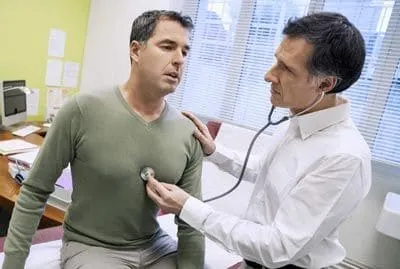
Medical detox is a process involving medical staff who help clients discontinue the use of opioids. A prescription opioid detox program at a professional center is individualized to address the physical, emotional, and psychological needs of each client. Facility staff members also provide on-site monitoring and stabilization medication to ensure clients reach a sober state safely and comfortably. During prescription opioid detox, clients may also begin their individual and group counseling to help them address their emotional responses to detoxification. This process also allows counselors and clients to discuss options for continued prescription opioid treatment.
Residential Rehab for Prescription Opioid Addiction
After completing prescription opioid detox, many people continue treatment with a rehab program. Residential inpatient addiction treatment provides the long-term treatment needed to overcome opioid addiction. With individualized prescription opioid rehab programs lasting at least 90 days, clients have an adequate amount of time to progress through the 12-step program and participate in evidence-based behavioral therapies and other treatment modalities that will help them continue to live a sober life. Each client’s program at a treatment center is led by a multidisciplinary treatment team that will work together to provide a well-balanced and comprehensive prescription opioid treatment plan.

Outpatient Rehab for Prescription Opioid Addiction
Outpatient addiction treatment for opioid addiction allows clients to attend work, school, and other obligations while participating in intensive addiction treatment. Outpatient prescription opioid rehab programs meet several times each week in a safe, nearby location. Sessions consist of discussion, activities, and educational lectures about the science of addiction, the effects of drugs on the body, and essential life skills and tools to fight relapse while living sober. During this eight-week program, clients will work through the 12-step program with their peers to learn how to live a life free of substance abuse and addiction.
Sober Living Programs for Prescription Opioid Addiction
Sober living homes provide structure and accountability during early recovery and are designed for clients who have already completed a prescription opioid addiction rehab program. A client may live in a gender-specific sober house or apartment for several months while completing their program. During this time, they will attend individual and group counseling sessions and practice implementing the life skills and tools they learned in rehab. In addition, each client will work with an assigned program coordinator to ensure they are progressing through the tiered recovery program without issues. Regular drug testing, on-site staff, and family support help ensure residents remain accountable to their sobriety goals.
Aftercare for Prescription Opioid Addiction
Even after a client has completed a residential prescription opioid treatment and a sober living program, he or she may still choose to receive additional support. Aftercare programs are designed to provide this support with consistent weekly group sessions. During group sessions, clients have the opportunity to address particularly stressful or emotional life events, successes, and ongoing sobriety goals with their peers. They may also continue working through the 12 principles of recovery during this time.
While each of these prescription opioid treatment options can be beneficial on their own, a comprehensive care plan provides the best chances for lifelong opioid addiction recovery and sobriety.
Recovering from prescription opioid addiction can be very difficult without the help of professional addiction treatment. If you’re searching for an opioid addiction treatment center for yourself or a loved one, call Nova Recovery Center today for more information on our prescription opioid rehab programs.
References:
https://www.cbsnews.com/news/opioids-drug-overdose-killed-more-americans-last-year-than-the-vietnam-war/
Nova Recovery Center offers a large range of substance abuse treatment services: detox, residential, outpatient and sober living.
Ready to take the next step?
Contact Us For Help
100% Free & Confidential
Ready to take the next step?
Treatment Options
Treatment Locations
Call (512) 605-2955 to verify your benefits.
Call Us Now and Begin Healing at (512) 605-2955
Or text us and we will call you right back.
Not quite ready for a call? You can fill out our insurance verification form.
What Makes Us Different
- Gender-specific treatment
- Evidenced-based treatment
- 12-Step immersion
- 90-day residential treatment
- Family program
- Full continuum of care
- Insurance and private pay
Ready to take the next step?
100% Confidential Guarantee
Confidential Consultation
Nova Recovery Center is dedicated to helping you or your loved one get help. Please call or fill out this form for a confidential consultation.
One of our understanding, dedicated advisors will contact you about your options. Begin healing today.
Nova Recovery Center is dedicated to helping you or your loved one get help. Please call or fill out this form for a confidential consultation. One of our understanding, dedicated advisors will contact you about your options. Begin healing today.
Talk to someone today
Ready when you are
Admissions are answered 24 hours a day by a person, not a queue. We will check your benefits for free and tell you what treatment would actually cost.
Free and confidential · No obligation