
Addiction News
Oregon Drug Policy Reset: What Changed and Why
Excellent 4.6 out of 5 434 Google reviews across our locations

Published October 8, 2025
Reviewed and updated October 7, 2025
Executive summary
Oregon’s 2020 decision to decriminalize possession of small amounts of drugs was a national first. In 2024, lawmakers reversed course on possession with House Bill 4002, creating misdemeanor penalties while adding treatment and “deflection” options. Early public health data show a recent decline in overdose deaths after a steep multi‑year rise driven by fentanyl. The policy debate now focuses on how to expand treatment, reduce visible public drug use, and measure the effects of the new hybrid approach.
From Measure 110 to HB 4002: how Oregon’s rules shifted
Voters approved Measure 110 in November 2020, and the core provisions took effect in February 2021. Simple possession of small amounts became a civil violation (typically a $100 citation) with a hotline pathway to dismiss the ticket. Courts data show thousands of citations were issued during the decriminalization phase.


In April 2024, Governor Tina Kotek signed HB 4002, reintroducing misdemeanor penalties for possession while funding county‑level “deflection programs” that steer people toward services instead of jail when possible. Key elements of the law began rolling out over the summer, with full enforcement changes arriving September 1, 2024.
What this means in practice
- Police can once again charge simple possession as a misdemeanor, with opportunities to deflect cases into treatment.
- Treatment networks continue to receive funding, but capacity remains a persistent constraint, especially for residential beds. When higher‑acuity care is needed, a 90‑day residential inpatient rehab program provides structure and continuity that outpatient care can’t match.
Why outcomes diverged: timing, fentanyl, and capacity
Timing and compounding crises
Oregon implemented decriminalization amid pandemic disruptions, protests, and staffing challenges across local systems. Those broader shocks shaped the on‑the‑ground experience in Portland and beyond. (Multiple local budget documents and reporting capture ebb‑and‑flow police funding and hiring dynamics in those years.)
The fentanyl wave
Illicitly manufactured fentanyl spread across the West during the late 2010s and early 2020s. Oregon recorded sharp increases in fentanyl‑involved deaths through 2023, consistent with national patterns, before a provisional decline in 2024. That external supply shock complicates attempts to link outcomes to any single state policy. For background on fentanyl addiction risks and treatment, see our detailed guide.
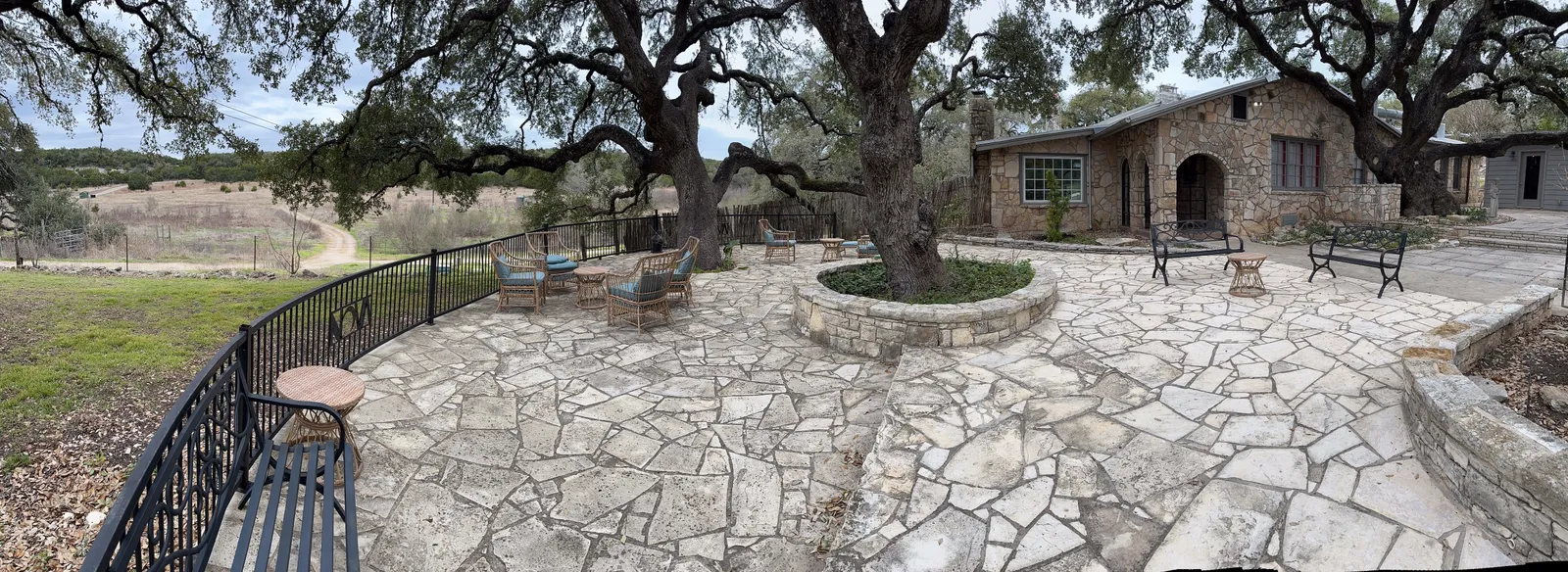
Freedom Starts Here. Take Back Your Life Today.
Same-Day Admissions in Austin Available.
Even before Measure 110, Oregon ranked near the bottom nationally in access to addiction treatment. Scaling up services has been a central challenge and remains a key factor in whether deflection‑first strategies can work.
What the data say (so far)
Provisional CDC‑aligned state reporting indicates overdose deaths fell about 22% in Oregon from December 2023 to December 2024, mirroring a national cooling after prior spikes. Provisional figures are subject to revision, and a single year does not establish a trend, but the decline is notable.
During the decriminalization period (Feb 2021–July 2024), courts recorded 9,700+ possession citations statewide. This detail clarifies that Oregon did issue civil penalties under Measure 110, even as many stakeholders criticized the approach as weakly enforced.
At the local level, early use of new sobering/deflection capacity in Multnomah County started slowly, prompting expanded referral pathways beyond law enforcement to increase utilization. Implementation details like these will influence how the new legal framework performs.
Lessons from European models
European cities that pair decriminalization with robust treatment access and consistent enforcement against large open‑air drug scenes have reported more stable public spaces. Portugal’s national model emphasizes administrative responses for possession, strong health services, and, critically, practical steps to keep street disorder in check. Comparative research and policy briefs stress that decriminalization alone is not a “silver bullet”; it works best as part of a balanced system.
Implication for Oregon
If the state wants fewer public drug scenes and better health outcomes, it will likely need sustained investment in treatment beds and outreach, predictable enforcement of public‑space rules, and fast, low‑friction entry ramps into care.
What to watch in 2025 and beyond
How Nova Recovery Center Helps Individuals Overcome Drug Addiction and Abuse
Nova Recovery Center provides comprehensive, evidence-based treatment for individuals struggling with drug addiction and abuse. The center’s approach combines medical detox, behavioral therapies, and holistic care to address both the physical dependence and underlying causes of substance use. Each client receives a personalized treatment plan that may include residential rehab, outpatient services, or sober living support, ensuring continuity of care through every stage of recovery. Licensed clinicians and counselors use proven methods such as cognitive behavioral therapy (CBT), relapse prevention training, and 12-step facilitation to promote long-term sobriety. Family involvement and peer support are integral parts of the program, helping clients rebuild trust and strengthen relationships damaged by addiction. Nova Recovery Center also offers education on coping skills, stress management, and emotional regulation to prepare individuals for lasting recovery outside of treatment. The focus on community and accountability provides a supportive environment where clients can heal at their own pace. By addressing addiction as a chronic condition that requires ongoing care, Nova helps individuals regain stability, confidence, and purpose. Through structured programs and compassionate guidance, the center helps people break free from substance abuse and build fulfilling, drug-free lives.
Frequently Asked Questions (FAQ): Oregon Drug Policy, Measure 110, HB 4002 & Recovery Services
Is drug possession legal in Oregon in 2025?
No. Possession of small amounts is a misdemeanor under HB 4002 (effective Sept. 1, 2024). The law also expands “deflection” pathways into treatment.
What are the penalties for simple possession now?
The statute defaults to probation with mandatory addiction treatment; jail (up to 180 days) is possible if probation is waived or violated. Pre‑booking deflection can lead to no charges.
Is public drug use illegal in Oregon or Portland?
HB 4002 gives police clearer tools to address public drug use and nearby “sensitive areas,” and local rules (e.g., transit) add limits. Implementation details vary by city/county.
What does “deflection” mean in Oregon’s drug policy?
A pre‑booking option that connects people to treatment and services instead of arrest or prosecution; counties run these programs with state support.
Where can I find overdose‑prevention resources in Oregon?
See Save Lives Oregon for harm‑reduction services (including naloxone), and OHA’s fentanyl information hub.
What did Oregon’s drug decriminalization (Measure 110) change in 2021?
It reduced most possession cases for small amounts to a Class E civil violation (typically a $100 fine) and redirected cannabis tax revenue to treatment and recovery services.
When did Oregon decriminalize drugs?
February 1, 2021 (following voter approval in Nov. 2020).
Did decriminalization cause overdose deaths to rise?
A 2024 cohort study found no association between decriminalization and overdose mortality when accounting for fentanyl’s spread.
Why did Oregon pursue decriminalization?
To treat addiction as a health issue, expand services, and reduce criminal justice harms.
What is Measure 110?
The Drug Addiction Treatment and Recovery Act (DATRA) that decriminalized possession of small amounts and funded statewide treatment through Behavioral Health Resource Networks (BHRNs).
How was Measure 110 funded and what did it pay for?
Largely through cannabis tax revenue (hundreds of millions) for treatment, harm reduction, housing, peer support, and other services.
Did Oregon actually issue civil citations under Measure 110?
Yes. Oregon Judicial Department data document Class E possession citations during the decriminalization period.
Other Drug and Alcohol Rehab Locations
-
Alcohol Detox in Austin, Texas →
-
Drug Detox in San Antonio, Texas →
-
Drug Detox in Houston, Texas →


Medical Disclaimer
The information provided on this page is for educational purposes only and is not intended as a substitute for professional medical advice, diagnosis, or treatment. Lexapro (escitalopram) and other prescription medications should only be taken under the supervision of a licensed healthcare provider. Do not start, stop, or change your dosage without consulting your doctor. If you are experiencing severe side effects, withdrawal symptoms, or thoughts of self-harm, call 911 in the United States or seek immediate medical attention. For mental health support, you can dial 988 for the Suicide & Crisis Lifeline, available 24/7.
Nova Recovery Center Editorial Guidelines
By instituting a policy, we create a standardized approach to how we create, verify, and distribute all content and resources we produce. An editorial policy helps us ensure that any material our writing and clinical team create, both online and in print, meets or exceeds our standards of integrity and accuracy. Our goal is to demonstrate our commitment to education and patient support by creating valuable resources within our realm of expertise, verifying them for accuracy, and providing relevant, respectful, and insightful data to our clients and families.
References
- Oregon Health Authority. (n.d.). Fentanyl: Opioid overdose and misuse. Oregon.gov. Retrieved October 4, 2025, from https://www.oregon.gov/oha/ph/preventionwellness/substanceuse/opioids/pages/fentanylfacts.aspx
- Oregon
Oregon Health Authority. (n.d.). Prescribing and overdose data for Oregon. Oregon.gov. Retrieved October 4, 2025, from https://www.oregon.gov/oha/ph/preventionwellness/substanceuse/opioids/pages/data.aspx - Oregon
Oregon Public Broadcasting (OPB). (2024, April 1). Oregon governor signs bill criminalizing drug possession. Retrieved October 4, 2025, from https://www.opb.org/article/2024/04/01/drug-possession-oregon-kotek-sign-bill/
opb - Oregon Public Broadcasting (OPB). (2024, March 1). Oregon’s drug decriminalization experiment appears dead. Retrieved October 4, 2025, from https://www.opb.org/article/2024/03/01/oregon-legislature-passes-bill-recriminalizing-drug-possession-sends-to-governor-measure-110/
opb - Oregon Public Broadcasting (OPB). (2024, March 4). Oregon Senate votes to end drug decriminalization. Retrieved October 4, 2025, from https://www.opb.org/article/2024/03/04/oregon-senate-votes-to-end-drug-decriminalization/
opb - Oregon Health Authority. (2025, May 16). Oregon overdose deaths are down, CDC data shows. GovDelivery. Retrieved October 4, 2025, from https://content.govdelivery.com/accounts/ORHA/bulletins/3e0cc81
content.govdelivery.com - Oregon Health Authority, Oregon Department of Human Services. (2022). Opioids and the ongoing drug overdose crisis in Oregon (PDF). Retrieved October 4, 2025, from https://sharedsystems.dhsoha.state.or.us/dhsforms/served/le2479_22.pdf
sharedsystems.dhsoha.state.or.us
National Center for Health Statistics / Centers for Disease Control and Prevention. (n.d.). Vital Statistics Rapid Release: Provisional drug overdose data. Retrieved October 4, 2025, from https://www.cdc.gov/nchs/nvss/vsrr/drug-overdose-data.htm
What clients say
Trusted by clients across Texas
4.6 from 434 Google reviews across 9 locations
Across Nova Recovery Center, Briarwood Detox Center and Eudaimonia Recovery Homes
★★★★★
“Nova is far from perfect, and some of the information can be misleading. But if you want to cover the 12 Steps while enjoying good food and a beautiful scenic view, this is the place for you. The…”
10 months ago · Wimberley
★★★★★
“I did 90 days at Nova Recovery 6 years ago. I am still sober today. And living a life I could have never imagined. The people and the program they are running impacted me for a lifetime. Better than…”
2 years ago · Wimberley
★★★★★
“I went to Nova almost 9 months ago and I wouldn’t change it for the world. The staff when I first entered were very nice and welcoming. As a 19 year old that didn’t know what I was getting myself…”
2 years ago · Austin
★★★★★
“Nova Recovery Center has been an invaluable part of my journey to sobriety. The intensive inpatient program, coupled with the unwavering support and guidance from my recovery specialist, Mark Rector…”
2 years ago · Austin


★★★★★
“I had such a positive experience at Nova Recovery in Wimberley! The staff genuinely cares and went above and beyond to support me every step of the way. The peaceful setting made it easier to focus…”
a year ago · Wimberley
★★★★★
“I love Nova so freaking much. Nova has saved my life in more ways than one. I was hopeless and had no solution suffering from this disease. The staff there never gave up on me. I was the worst client…”
2 years ago · Austin
★★★★★
“I know Mark rector is non-binary however it saved my life and it did a good job with CPR and I don't know how aside from staying sober I could ever repay it thank you Mr or Mrs or whatever you're…”
8 months ago · Austin
★★★★★
“It's been a few years since I was a patient at Nova Recovery Center. Recently I have been reflecting on my time there and how incredibly grateful I am for the experience I had. I have been to 7 rehab…”
2 years ago · Austin


Keep reading
- Best Drug Rehab Centers in San Antonio Texas for Heroin Addiction
- 2026 SAMHSA Funding Changes: What They Mean for People Seeking Treatment in Texas
- Insurance Oversight Is Tightening in Addiction Rehab. Here’s What Patients and Families Should Know.
- Manitoba targets meth crisis with proposed 72‑hour detention law
Talk to someone today
Ready when you are
Admissions are answered 24 hours a day by a person, not a queue. We will check your benefits for free and tell you what treatment would actually cost.
Free and confidential · No obligation