
Addiction
Everything You Need To Know About Outpatient Alcohol Rehab In Austin
Excellent 4.6 out of 5 434 Google reviews across our locations




Published April 14, 2023
Reviewed and updated October 19, 2025
At a Glance: Outpatient Alcohol Rehab in Austin
- What it is: Structured treatment you attend while living at home or in sober housing, typically a mix of individual and group counseling plus education, tailored to your needs.
- Typical timeline: Most programs run about 4–6 weeks, with regular therapy sessions and recovery activities.
- Why choose it: Flexibility to keep working, attending school, and caring for family, often at a lower cost than inpatient care.
- Who it fits best: Appropriate for many, but those with severe addiction, co-occurring mental health issues, or limited home support may need drug rehab austin first.
- After you finish: Plan for ongoing therapy, support groups, and community connection to maintain long-term sobriety.
If you or someone you know is struggling with alcohol addiction, you may be considering outpatient alcohol rehab in Austin. Outpatient rehab is a type of alcohol treatment that allows people to remain living at home while they receive treatment for their addiction. Looking for flexible care close to home? Our outpatient alcohol rehab Austin program provides evidence-based treatment tailored to your schedule.

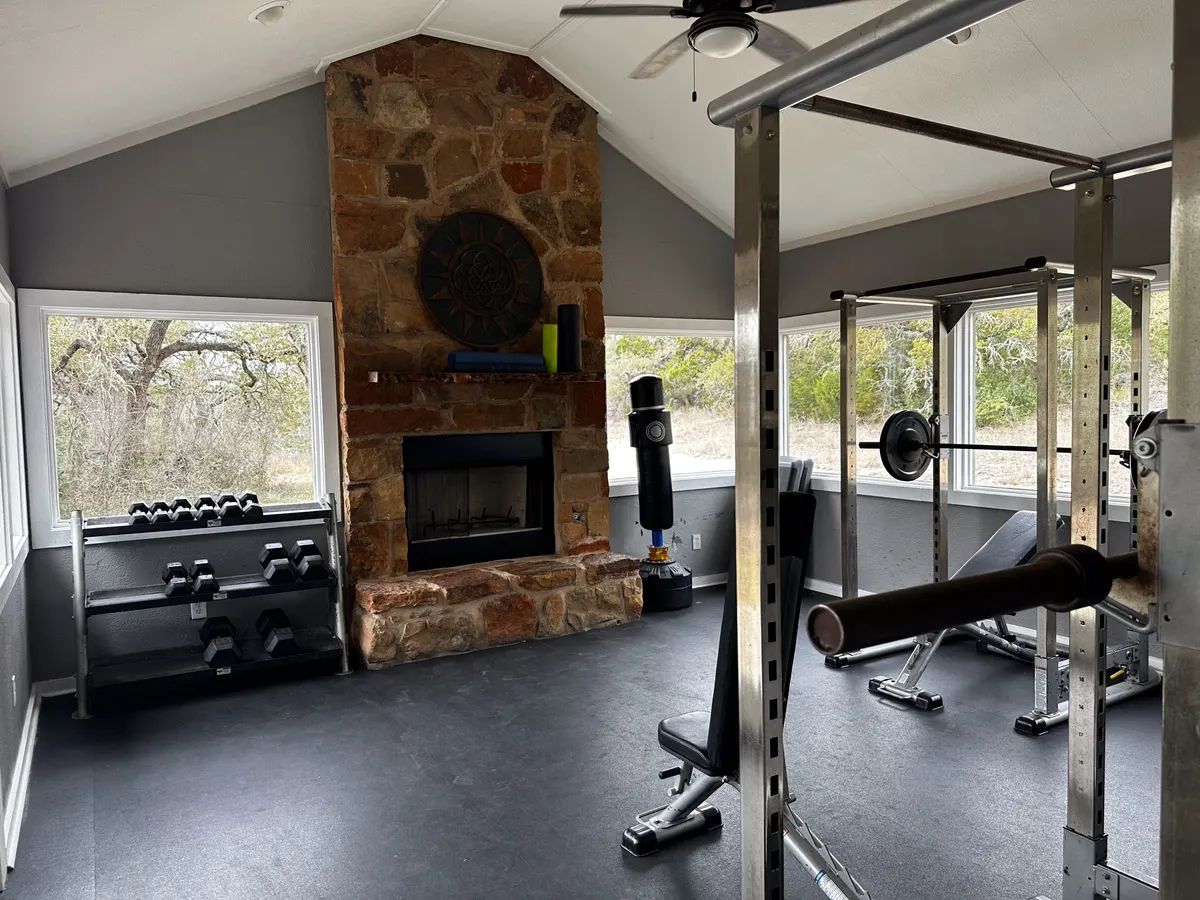
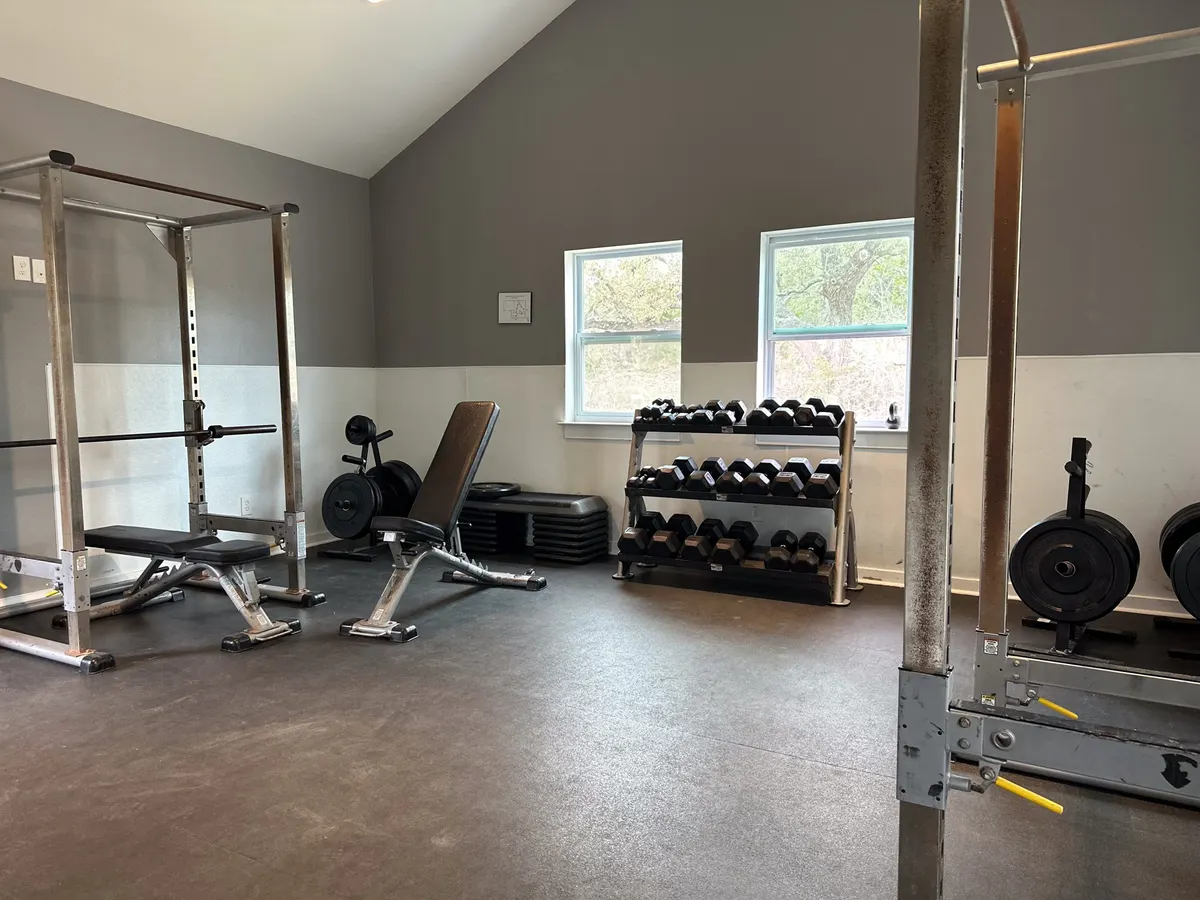







Outpatient alcohol rehab in Austin typically lasts between four and six weeks. During this time, patients will participate in individual/group therapy sessions, as well as receive education about addiction and recovery. If you are considering outpatient alcohol rehab in Austin, it is important to know what to expect from treatment.
This article will provide you with everything you need to know about outpatient alcohol rehab in Austin, including what to expect from treatment. We’ll also go over the benefits of outpatient rehab and how to choose the right treatment center for your needs.
What is Outpatient Alcohol Rehab?
Outpatient alcohol rehab is a form of addiction treatment that allows individuals to receive treatment while living at home or in a sober living environment. Unlike inpatient rehab, patients in outpatient programs can maintain their daily routines while attending therapy and educational sessions at a treatment center. Most clients start with an intensive outpatient program (IOP) that combines group therapy, individual counseling, and skills training.
Outpatient alcohol rehab typically involves a variety of therapeutic interventions, including individual counseling, group therapy, and family support. Treatment plans are typically tailored to the individual, with a focus on addressing their specific needs and goals. Outpatient programs may last anywhere from several weeks to several months, depending on the individual’s needs and the severity of their addiction.

Freedom Starts Here. Take Back Your Life Today.
Same-Day Admissions in Austin Available.
Benefits of Outpatient Alcohol Rehab in Austin, Texas
Outpatient alcohol rehab in Austin allows individuals to seek treatment without having to disrupt their daily lives. Patients can continue work or school, take care of family responsibilities, and maintain their social networks while receiving treatment. Our outpatient drug rehab Austin TX option lets you keep work or school while staying engaged in care This can be especially important for individuals who may have commitments that would make it difficult to attend an inpatient program. Outpatient rehab also tends to be more affordable than inpatient rehab, making it accessible to more people.
Outpatient programs in Austin offer flexibility, allowing patients to attend therapy sessions and receive treatments around their schedules. Finally, outpatient rehab is often effective in helping individuals achieve long-term sobriety. Research has shown that individuals who participate in outpatient programs may have better long-term outcomes than those who do not receive any treatment or who only participate in short-term treatment programs. See how our alcohol outpatient program Austin, TX balances accountability and flexibility.
What to Expect During Outpatient Alcohol Rehab
During outpatient alcohol rehab, patients can expect to attend a variety of treatment sessions, including individual/group therapy and educational sessions. Explore our treatment modalities for alcohol addiction used across IOP and aftercare. Patients will also participate in a range of recovery activities, such as 12-step meetings, meditation or mindfulness practices, and physical exercise. In addition, patients in outpatient programs will receive ongoing support from their treatment team. This may include weekly check-ins with a therapist or counselor and regular meetings with a case manager or support staff. If alcohol withdrawal is a concern, begin care at an alcohol detox center in Austin before stepping down to IOP.
Outpatient rehab may not be appropriate for everyone. Individuals struggling with severe addiction and/or have co-occurring mental health conditions may benefit from more intensive treatment like inpatient rehab. Individuals who do not have a supportive home environment or who may have difficulty maintaining their sobriety while living at home may also benefit from inpatient treatment. Higher-acuity needs are best served in inpatient alcohol rehab Austin with 24/7 structure before transitioning outpatient.
After Outpatient Alcohol Rehab
After completing an outpatient alcohol rehab program, individuals will continue to receive support and care as they transition back to their daily lives. This may include ongoing therapy or counseling, support from a recovery community, or a 12-step program. Some programs even require or recommend ongoing check-ins with their treatment team. Structured sober living in Austin adds accountability and a recovery-focused home base during early sobriety.
It is important for individuals who have completed outpatient rehab to continue prioritizing their recovery by attending regular therapy sessions. Practicing self-care and stress-management techniques as well as surrounding themselves with a supportive community is also important. Recovery is a lifelong process, and ongoing support and care are essential for maintaining long-term sobriety.
Outpatient alcohol rehab in Austin offers a flexible and accessible form of treatment for individuals struggling with alcohol addiction. With the right treatment plan and support network, individuals can achieve long-term sobriety and reclaim their lives. If you or someone you love is struggling with addiction, seeking help from an outpatient rehab program may be the first step toward a brighter future.
Recovery With Nova
At Nova Recovery Center, Houston we provide our patients with a very comfortable detox process, where medical professionals provide monitoring and care around the clock. You will be provided with all the medications you need to combat the withdrawal symptoms. You will then be enrolled in the in-patient recovery program where you’ll learn to stay away from drugs, through counseling, group therapy, and so on. Not sure about coverage? Verify insurance for alcohol treatment in minutes.
Nova Recovery Center commits to helping you overcome your addiction so you can get back to what is most important to you. If you or someone you know are struggling with addiction, Nova Recovery Center can provide support. We have locations in Austin, Houston, and Wimberley Texas. Ready to start? Here’s our simple admissions process and what to expect on day one. Call today to begin your journey in recovery at (512) 605-2955.
Frequently Asked Questions About Outpatient Alcohol Rehab in Austin
Who is a good candidate for outpatient treatment vs. inpatient?
Those with stable housing, lower medical risk, and solid support often do well outpatient; severe withdrawal risk, limited support, or safety concerns may require inpatient first.
How long does outpatient alcohol rehab usually last?
Programs commonly run several weeks to a few months, with frequency tailored by level of care (standard OP, IOP, PHP).
What happens in an Intensive Outpatient Program (IOP)?
IOPs offer multiple sessions per week of group therapy, individual counseling, skill-building, and relapse-prevention, while you continue work or school.
What therapies are used?
Evidence-based approaches include cognitive behavioral therapy, motivational interventions, medication-assisted treatment when appropriate, and peer support.
How do I choose a quality alcohol rehab program in Austin?
Ask about licensed staff, individualized plans, use of evidence-based care, outcomes tracking, and coordination of aftercare.
How much does outpatient alcohol treatment cost and how can I pay?
Costs vary by level of care and insurance; options may include commercial insurance, Medicaid, sliding-scale, or state-funded services.
Is outpatient treatment effective?
Yes. When matched to clinical need and combined with ongoing recovery support, outpatient care can be highly effective.
What support is available after completing outpatient rehab?
Continuing care may include ongoing therapy, mutual-help groups, recovery coaching, and medication management to maintain progress.
Can outpatient rehab include medication for alcohol use disorder?
Yes. Clinicians may prescribe FDA-approved medications (e.g., naltrexone, acamprosate) as part of a comprehensive plan.
Does Texas offer public resources for alcohol treatment?
Yes. The Texas HHS system lists state-supported options for outpatient, withdrawal management, and medication services.
Other Drug and Alcohol Rehab Locations
Outside Austin? Explore outpatient rehab in Houston or our San Antonio IOP for the same quality care.
-
Alcohol Outpatient Rehab Austin → Get directions ↗
-
Drug Detox Austin → Get directions ↗
-
Drug Rehab Centers Near Austin → Get directions ↗



Medical Disclaimer
The information on this page is provided for educational purposes only and should not replace professional medical advice, diagnosis, or treatment. Alcohol use disorder and related health conditions should always be evaluated and treated under the care of a licensed healthcare provider. Do not begin, modify, or discontinue any treatment program without consulting your doctor. If you experience severe withdrawal symptoms, medical complications, or thoughts of self-harm, call 911 in the United States or seek immediate medical assistance.
Nova Recovery Center Editorial Guidelines
By instituting a policy, we create a standardized approach to how we create, verify, and distribute all content and resources we produce. An editorial policy helps us ensure that any material our writing and clinical team create, both online and in print, meets or exceeds our standards of integrity and accuracy. Our goal is to demonstrate our commitment to education and patient support by creating valuable resources within our realm of expertise, verifying them for accuracy, and providing relevant, respectful, and insightful data to our clients and families.
References
- Centers for Disease Control and Prevention. (2024, August 6). Facts about U.S. deaths from excessive alcohol use. Retrieved October 9, 2025, from https://www.cdc.gov/alcohol/fact-sheets/alcohol-use.htm
- National Institute on Drug Abuse. (2025, June 9). Treatment. Retrieved October 9, 2025, from https://nida.nih.gov/publications/principles-drug-addiction-treatment-research-based-guide-third-edition
- Texas Health and Human Services. (n.d.). Adult substance use outpatient treatment. Retrieved October 9, 2025, from https://www.hhs.texas.gov/services/mental-health-substance-use/adult-substance-use-outpatient-treatment
What clients say
Trusted by clients across Texas
4.6 from 434 Google reviews across 9 locations
Across Nova Recovery Center, Briarwood Detox Center and Eudaimonia Recovery Homes
★★★★★
“Nova is far from perfect, and some of the information can be misleading. But if you want to cover the 12 Steps while enjoying good food and a beautiful scenic view, this is the place for you. The…”
10 months ago · Wimberley
★★★★★
“I did 90 days at Nova Recovery 6 years ago. I am still sober today. And living a life I could have never imagined. The people and the program they are running impacted me for a lifetime. Better than…”
2 years ago · Wimberley
★★★★★
“I went to Nova almost 9 months ago and I wouldn’t change it for the world. The staff when I first entered were very nice and welcoming. As a 19 year old that didn’t know what I was getting myself…”
2 years ago · Austin
★★★★★
“Nova Recovery Center has been an invaluable part of my journey to sobriety. The intensive inpatient program, coupled with the unwavering support and guidance from my recovery specialist, Mark Rector…”
2 years ago · Austin


★★★★★
“I had such a positive experience at Nova Recovery in Wimberley! The staff genuinely cares and went above and beyond to support me every step of the way. The peaceful setting made it easier to focus…”
a year ago · Wimberley
★★★★★
“I love Nova so freaking much. Nova has saved my life in more ways than one. I was hopeless and had no solution suffering from this disease. The staff there never gave up on me. I was the worst client…”
2 years ago · Austin
★★★★★
“I know Mark rector is non-binary however it saved my life and it did a good job with CPR and I don't know how aside from staying sober I could ever repay it thank you Mr or Mrs or whatever you're…”
8 months ago · Austin
★★★★★
“It's been a few years since I was a patient at Nova Recovery Center. Recently I have been reflecting on my time there and how incredibly grateful I am for the experience I had. I have been to 7 rehab…”
2 years ago · Austin


Talk to someone today
Ready when you are
Admissions are answered 24 hours a day by a person, not a queue. We will check your benefits for free and tell you what treatment would actually cost.
Free and confidential · No obligation