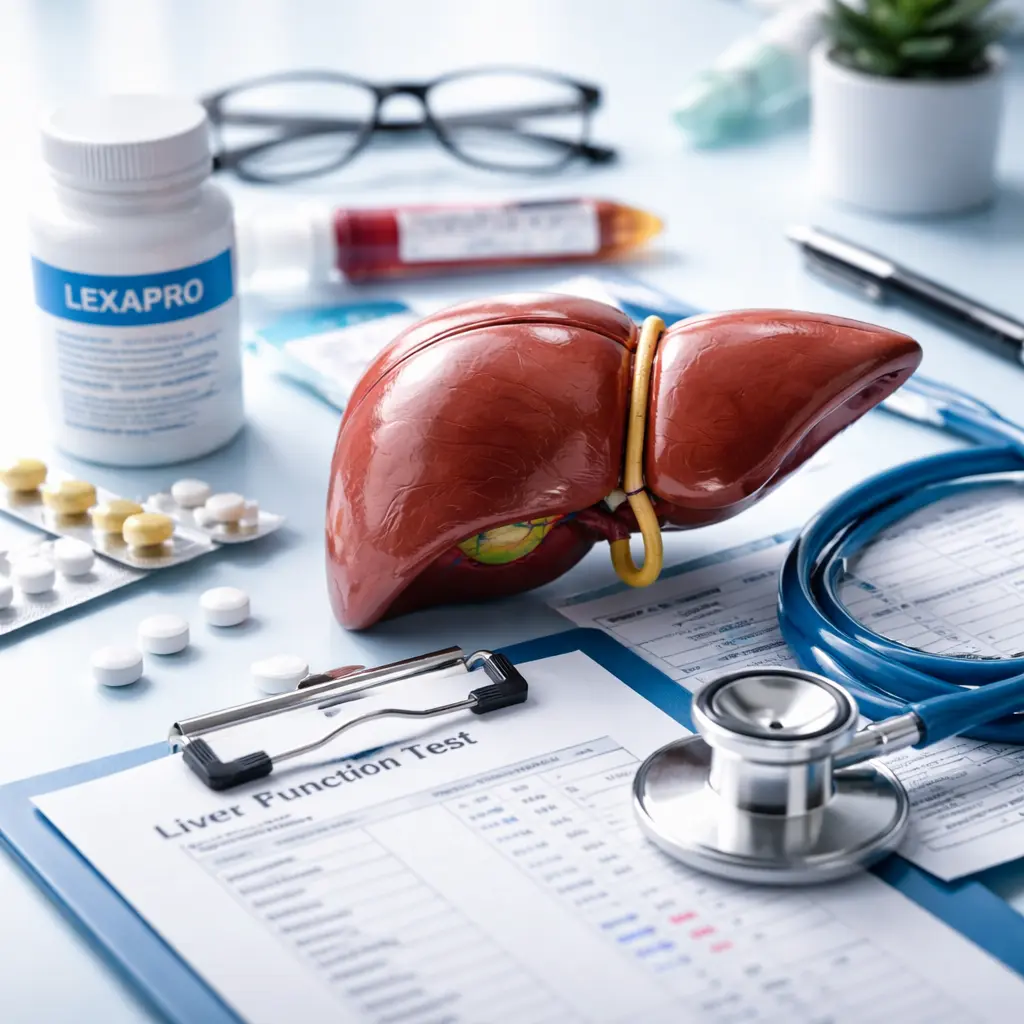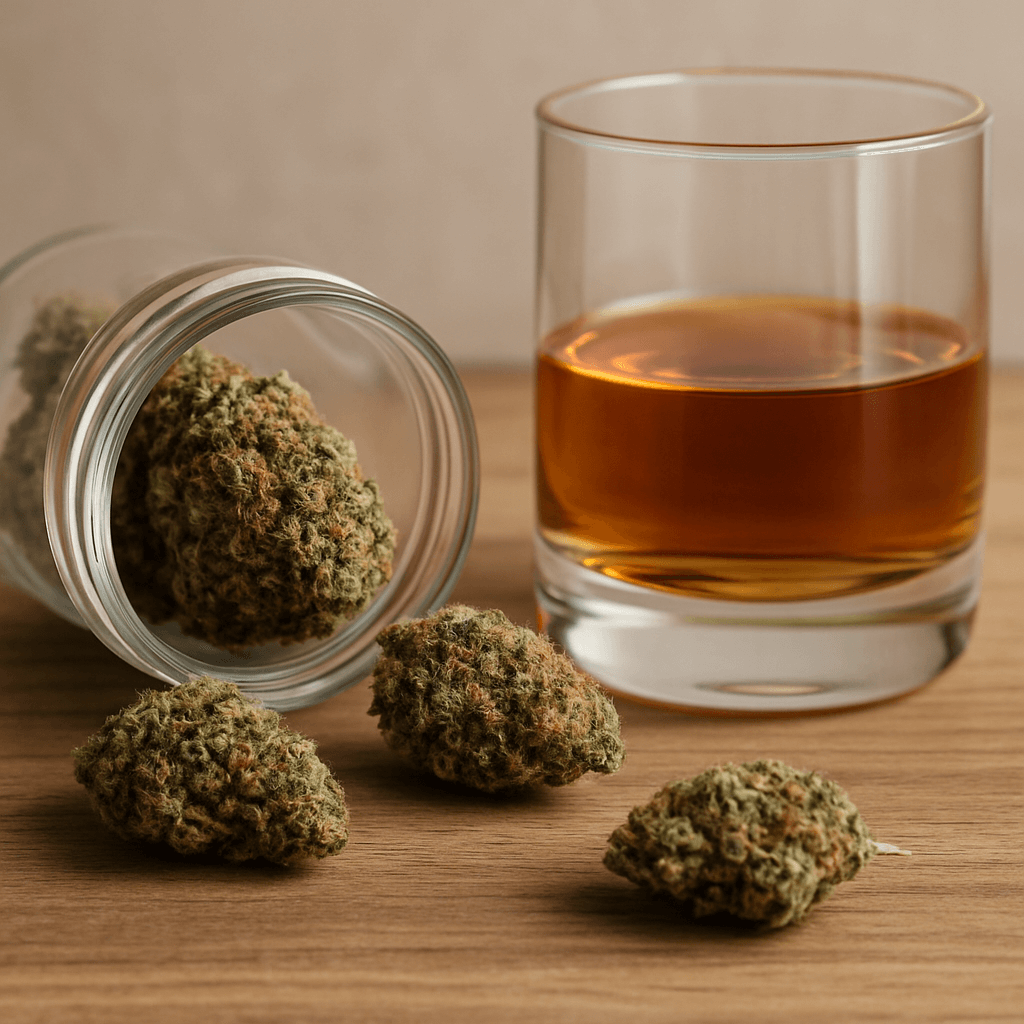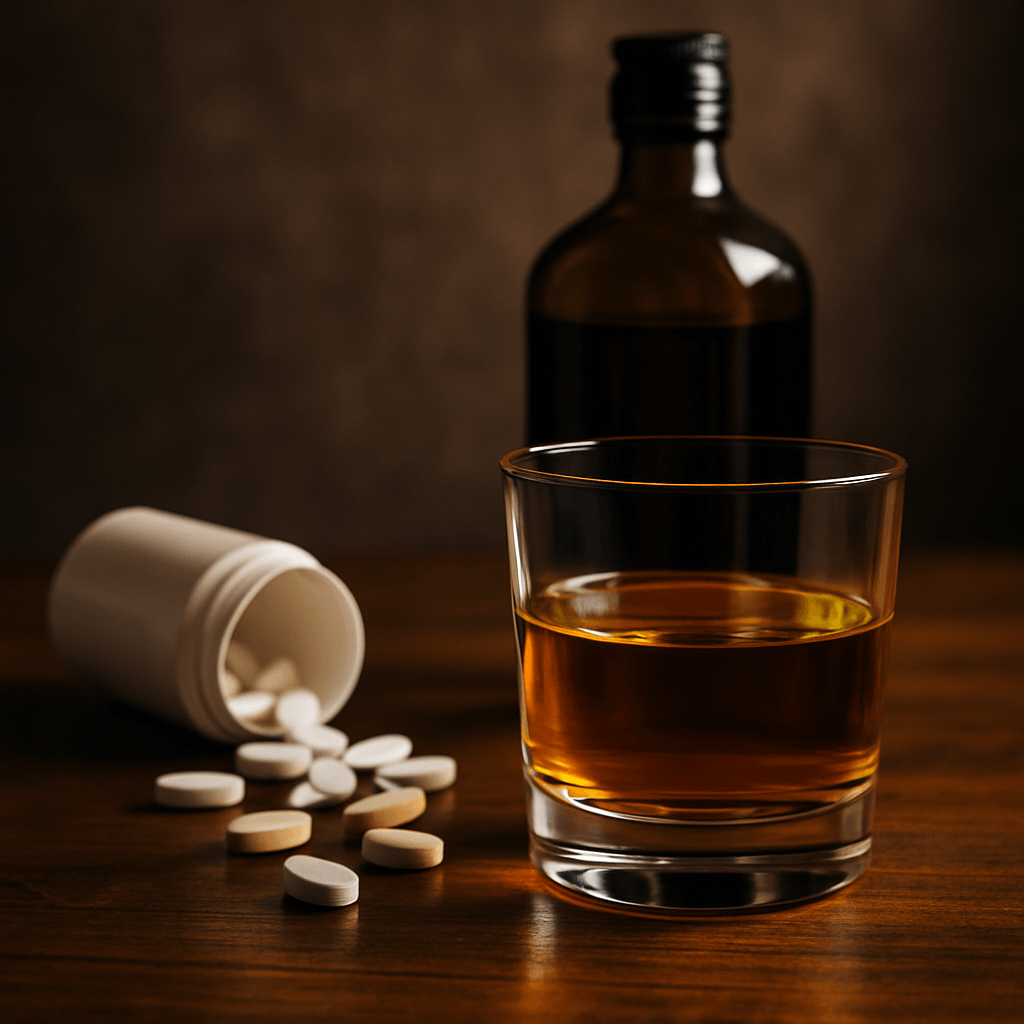










This guide explains how each drug works, what happens when they are combined, what to know if you are receiving ketamine therapy and still drinking, and how to get help if ketamine and alcohol are starting to take over your life.
Ketamine, alcohol, and why mixing depressants is so risky
Using more than one substance at the same time is called polysubstance or polydrug use. When both substances slow the brain and body—like ketamine and alcohol do—the risks multiply.
- Each drug makes it harder for you to judge how intoxicated you are.
- Their combined effects on breathing, blood pressure, and heart rhythm can be much stronger than either drug alone.
- Blackouts, falls, car crashes, and assaults are more likely when memory, balance, and awareness are all impaired.
- People who enjoy the intense “shut off” from mixing ketamine and alcohol are at higher risk for developing addiction to one or both substances.
Even people who never use ketamine recreationally can be at risk. Someone in ketamine therapy for depression who “keeps drinking like usual” is still combining depressant effects, even if doses are prescribed and monitored.
How ketamine affects the brain and body
Ketamine is a dissociative anesthetic. In medical settings, it is used to relieve pain and provide anesthesia, and a related drug (esketamine) is approved as a nasal spray for certain people with treatment-resistant depression. Ketamine blocks N-methyl-D-aspartate (NMDA) receptors in the brain, which disrupts normal communication between nerve cells. That disruption causes the “out of body” or dreamlike state many people describe.
In the United States, ketamine is classified as a Schedule III controlled substance, meaning it has accepted medical uses but also a significant potential for misuse and dependence. Outside of supervised care, ketamine is often taken as a white powder, pill, or liquid that is snorted, swallowed, or injected.
Short-term ketamine effects can include:
- Detachment from your body or surroundings (“k-hole”).
- Distorted sights, sounds, and time.
- Confusion, slurred speech, and poor coordination.
- Changes in heart rate and blood pressure.
- Nausea, vomiting, and double vision.
Heavy or repeated use may lead to:
- Memory problems and difficulty thinking clearly.
- Bladder pain and urinary tract damage (“ketamine bladder”).
- Worsening depression or anxiety.
- Psychological dependence and cravings.
If you’d like a deeper dive into ketamine side effects, withdrawal, and rehab options, Nova’s ketamine addiction, detox, and treatment guide gives a detailed overview of what recovery can look like.
All of these risks exist before alcohol is added. Once alcohol enters the mix, the picture changes fast.
How alcohol changes the nervous system
Alcohol is a central nervous system depressant. It slows down brain activity by enhancing the calming neurotransmitter GABA and interfering with excitatory systems like glutamate. Over time it affects nearly every organ system in the body, including the brain, heart, liver, pancreas, and immune system.
Even moderate drinking can impair coordination, reaction time, and judgment. Heavier patterns like binge drinking and daily heavy use raise the risk of injuries, dependence, and chronic health problems such as high blood pressure, liver disease, and certain cancers.
Short-term alcohol effects include:
- Lowered inhibitions and riskier decisions.
- Slow reaction time and poor balance.
- Blurred vision and slurred speech.
- Blackouts or memory gaps.
- In higher doses, vomiting, slowed breathing, and unconsciousness.
Long-term heavy drinking can lead to alcohol use disorder (AUD), where drinking feels out of control despite serious consequences at work, at home, or to health.
Nova’s comprehensive alcohol abuse and addiction guide explains how problem drinking develops, how withdrawal works, and what treatment options are available.
What happens when you combine ketamine and alcohol?
When ketamine and alcohol are used together, their effects are not simply added—they can amplify one another. Both substances affect glutamate and other brain systems involved in inhibition and excitation, leading to stronger overall CNS depression.
A 2022 review of ketamine plus alcohol co-use found that the combination can intensify toxic effects on several systems at once, including the cardiorespiratory, digestive, urinary, and central nervous systems. In real life, that shows up as problems that are far more severe than what most people expect from either drug alone.
Short-term dangers of mixing ketamine and alcohol
- Severely impaired judgment and coordination. People may wander into traffic, climb from heights, fall down stairs, or engage in unsafe sex because they cannot judge risks or control their body well.
- Blackouts and memory loss. The combination can wipe out hours of time. Someone may be awake and moving but have no memory later of what happened, which increases vulnerability to assault and accidents.
- Breathing and heart problems. Both substances can slow breathing and change heart rate and blood pressure. Together they can cause dangerously slow or irregular breathing, low oxygen, and collapse.
- Vomiting and choking. Nausea and vomiting are common. If someone is unconscious or barely responsive, they can aspirate vomit and choke.
- Overdose and coma. High doses or sensitive individuals can slip into an unresponsive state. Without fast medical help, coma, brain injury, or death are possible.
Most people in this situation are not able to recognize how serious things have become. Friends may think someone is just “sleeping it off,” when in reality they are having trouble breathing or responding.
Long-term risks of using ketamine and alcohol together
Repeatedly mixing ketamine and alcohol doesn’t just create bad nights out—it can change the body and brain over time.
- Greater organ damage. Alcohol alone is linked with liver disease, heart disease, stroke, and several cancers. Ketamine adds its own toxicity, especially to the urinary tract and kidneys. People who use both heavily have higher rates of painful bladder syndrome and other urinary problems.
- Worsening mental health. Both substances can intensify depression, anxiety, and paranoia, especially as their effects wear off. Using them together can lead to more frequent mood crashes and may undermine any benefit someone hoped to get from ketamine’s antidepressant properties.
- Increased tolerance and dependence. The brain learns to expect frequent intoxication. Over time people may need more of each drug to feel the same effect and may develop withdrawal symptoms or strong cravings when they try to stop.
- Polysubstance addiction. Some people discover they cannot imagine socializing, relaxing, or coping with stress without both ketamine and alcohol. Treating dependence on more than one substance is usually more complex and often requires structured, longer-term care.
These long-term risks are especially important for people who start mixing ketamine and alcohol during their teens or twenties, when the brain is still developing and drinking patterns often escalate quickly.
Alcohol and ketamine therapy: special concerns for treatment
Many people are introduced to ketamine today through mental health treatment rather than parties. Clinics and prescribers may offer intravenous infusions, intramuscular injections, or esketamine nasal spray as part of a broader plan for treatment-resistant depression or other conditions.
If you are in ketamine therapy, alcohol use still matters. Common concerns include:
- Safety during and after sessions. Both ketamine and alcohol impair coordination, blood pressure control, and reaction time. Drinking before or after a dose can increase dizziness, falls, and car crashes once you leave the clinic.
- Unpredictable sedation. Alcohol can make ketamine’s sedative effects hit harder or last longer. What was intended as a carefully monitored dose may become far more powerful than expected.
- Blunted therapeutic benefit. Heavy drinking can worsen depression and interfere with sleep, relationships, and overall functioning. That can make it harder to tell whether ketamine therapy is actually helping or not.
- Hidden alcohol use disorders. People who drink to cope with emotional pain may already meet criteria for alcohol use disorder, even if they never thought of themselves as “alcoholic.” Untreated AUD can limit how well any mental health treatment works.
If you are considering ketamine therapy—or are already in it—honesty with your prescriber about alcohol use is essential. Important questions to ask include:
- How long before and after each ketamine session should I avoid alcohol?
- Is my current drinking level compatible with this treatment?
- What support is available if I want to cut back or stop drinking while in therapy?
This article is educational only. Your own doctor or mental health provider is the best person to advise you about whether alcohol use is safe with your treatment plan.
What to do if someone has already mixed ketamine and alcohol
When in doubt, treat mixed ketamine and alcohol use as a medical emergency. Call 911 (or your local emergency number) right away if you notice:
- Slow, shallow, or irregular breathing.
- Not waking up, not responding to voice, or only groaning.
- Pale, bluish, or very clammy skin.
- Seizures or uncontrolled jerking movements.
- Vomiting while unconscious or unable to sit up.
- Chest pain, extreme agitation, or sudden confusion.
While waiting for help:
- Keep the person on their side in the recovery position so they are less likely to choke if they vomit.
- Do not leave them alone, even if they seem to be “sleeping it off.”
- Tell emergency responders exactly what was taken and how much, if you know.
After a medical crisis, a safer next step is often a supervised detox rather than trying to stop at home. Nova’s Austin drug and alcohol detox program provides 24/7 medical monitoring for people withdrawing from alcohol, ketamine, or other substances so they can stabilize before moving into longer-term treatment.
Treatment options for ketamine, alcohol, and polysubstance addiction
If ketamine and alcohol are starting to feel out of control, help is available. Recovery is possible even if you have tried to quit before or feel dependent on both substances.
Detox: a safe first step
For many people, the first step is medically supervised detox to manage withdrawal from alcohol and other substances. In detox, clinicians monitor vital signs, provide medications when appropriate, and address complications like severe anxiety, insomnia, or blood pressure changes. This foundation makes it safer to move into therapy-based rehab.
Inpatient rehab: time and structure to reset
After detox, a structured residential program allows you to step away from triggers and focus fully on recovery. At Nova, the Austin residential inpatient rehab center offers 24/7 support, evidence-based therapies, and a recovery community that understands polysubstance addiction, including ketamine and alcohol.
Some people prefer a quieter setting outside the city. Nova’s Wimberley inpatient rehab campus provides long-term residential care in a peaceful Hill Country environment, with programming that addresses both substance use and underlying mental health challenges.
Ongoing care and relapse prevention
Long-term recovery from ketamine and alcohol use usually includes multiple layers of support:
- Individual and group therapy to explore triggers, trauma, and coping skills.
- Education about addiction, brain changes, and healthy routines.
- Relapse-prevention planning that covers parties, nightlife, and situations where ketamine and alcohol are present.
- Support groups, family involvement, and aftercare to maintain progress after inpatient treatment.
Every person’s path is different. What matters most is taking the next safe step—whether that is learning more, talking with a professional, or reaching out to begin detox or rehab.
If ketamine, alcohol, or other substances are affecting your life, relationships, or health, you do not have to face it alone. Compassionate, evidence-based help is available.