Trending Topics

Still life of a baby bottle, prescription medication container, and infant toy on a bedside table representing antidepressants for breastfeeding and nursing safety.
Depression

Antidepressants for Breastfeeding: Nursing Safety When Substance Use Is a Concern

Breastfeeding can support bonding and infant nutrition. It can also raise hard questions when you need mental health treatment. If you are taking an antidepressant or thinking about starting one, you may wonder if it is safe to keep nursing.

This pillar page explains what we know about antidepressants for breastfeeding, what “safe” means in real-life care, and how to lower risk for your baby. It also covers an extra layer that matters in recovery: how alcohol or drug use can change safety for both you and your infant.

This information is educational. It cannot replace care from your OB-GYN, prescriber, pediatrician, or a lactation clinician.

Read More »
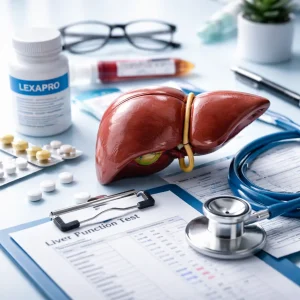
Lexapro medication shown alongside common birth control methods, illustrating questions about whether Lexapro affects birth control effectiveness, fertility, and pregnancy safety.
Depression

Does Lexapro Affect Birth Control? Interactions, Myths, and What to Ask

If you take Lexapro (escitalopram) and use birth control, it is normal to wonder if they clash. Many people ask: does Lexapro affect birth control, or can you still rely on it to prevent pregnancy?

For most patients, the answer is reassuring. Lexapro is not known to make hormonal birth control work less well. Birth control is also not known to “cancel out” Lexapro. Most confusion comes from shared side effects, missed doses, or other drugs that change hormone levels.

If you are also working on recovery while treating anxiety or depression, medication changes can feel intense. Supportive care, such as Austin residential inpatient rehab, can help you stay steady while you coordinate treatment with your prescriber.

Read More »
A man in early sobriety sitting in a quiet living room, reflecting on day 10 with no alcohol and experiencing emotional withdrawal.
alcohol abuse

Day 10 With No Alcohol: What to Expect Physically and Emotionally (and When to Get Help)

Day 10 with no alcohol is a big milestone. You are far enough from your last drink to notice real changes, yet close enough that withdrawal and cravings may still feel intense. For some people, day 10 feels amazing. For others, it feels like “I made it this far, but I’m exhausted and still want to drink.” Both experiences are common.

What you feel today depends on how much and how often you drank, your overall health, and whether your detox was medically supervised. If you stopped heavy daily drinking on your own, day 10 can still feel rough and even risky. If you completed a supervised detox and are now in rehab or outpatient care, you may be more stable but still emotionally raw.

Read More »
A glass of alcohol beside a dish of white powder on a wooden surface, symbolizing the risks of mixing ketamine and alcohol.
Addiction

Ketamine and Alcohol: Why Mixing Depressants Can Turn Dangerous Fast

Ketamine is showing up in more places than the club scene. It is still used as an anesthetic, is sometimes prescribed for pain, and in carefully controlled settings it can be part of treatment-resistant depression care. At the same time, alcohol remains one of the most widely used—and misused—substances in the world. Putting the two together may feel common or even casual, but it is anything but safe.

Both ketamine and alcohol act on the central nervous system (CNS). Together they can sharply change breathing, heart function, judgment, and memory in ways that are hard to predict and even harder to reverse once things go wrong. Many people who mix them do not realize how quickly a “good night out” or a “booster” for ketamine therapy can turn into a medical emergency.

Read More »
Close-up image of cannabis jars, a rolled joint, and an ADHD diagnosis form on a desk, representing the connection between weed and ADHD symptoms.
Addiction

Weed and ADHD: Why Cannabis Often Makes Symptoms Worse

If you live with ADHD, you may have wondered whether smoking weed will calm your mind or help you focus. Many people even notice that “pot makes my ADHD worse” but aren’t sure why. This guide explains how weed and ADHD interact in the brain, how cannabis affects mental health and addiction risk, and what to do if your use is starting to cause problems.

Read More »
A man sitting alone with alcohol and drug paraphernalia, reflecting the emotional struggle associated with schizophrenia and substance use.
Addiction

Schizophrenia and Substance Use: How Addiction and Mental Health Intersect

Schizophrenia is a serious mental illness, and substance use disorders are serious illnesses too. When they show up together, daily life can unravel quickly. Many families wonder whether drugs can “cause” schizophrenia, or if a loved one is using substances to cope with confusing thoughts, voices, or paranoia. The reality is that schizophrenia and substance use influence one another in complex ways. This guide explains what schizophrenia is, how drugs and alcohol affect the illness, what we know about schizophrenia from drug use, and how integrated treatment at Nova Recovery Center can help.

Read More »
Call Now Button