

Trending Topics

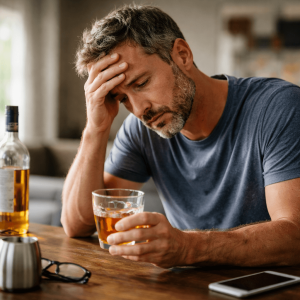
Adult experiencing sudden alcohol intolerance symptoms after one drink, showing facial flushing and discomfort in a home setting
alcohol abuse

Sudden Intolerance to Alcohol: When “Just One Drink” Starts Making You Sick

You can drink the same beer, wine, or cocktail for years, then one day a small amount makes you feel awful. Maybe your face turns red, your stomach cramps, your nose stuffs up, or you break out in hives. That sudden shift is often called “sudden alcohol intolerance,” and it can feel confusing and scary.

Some people describe these reactions as an “alcohol allergy.” True allergy to ethanol is uncommon, but allergy-type reactions can happen when the trigger is an ingredient in the drink. Either way, new symptoms after drinking deserve attention, because a few causes can be dangerous.

This guide explains what may be happening, how to tell the difference between intolerance and allergy-like reactions, and when it’s time to get medical help or addiction support.

Read More »
Man experiencing alcohol shakes with trembling hands while sitting at a table after drinking, illustrating alcohol withdrawal symptoms.
alcohol abuse

Alcohol Shakes: Why You Get the Shakes After Drinking & When to Seek Detox

Shaking after alcohol consumption can feel scary, especially when your hands will not stay still. Some people get mild “hangover shakes” after a night of heavy drinking. Others get alcohol withdrawal shakes, which can be a sign that the body has adapted to alcohol.

This guide explains alcohol shakes in plain language: what they are, why they happen, how to tell hangover jitters from withdrawal, and when it is time to get medical help.

Read More »
A man in early sobriety sitting in a quiet living room, reflecting on day 10 with no alcohol and experiencing emotional withdrawal.
alcohol abuse

Day 10 With No Alcohol: What to Expect Physically and Emotionally (and When to Get Help)

Day 10 with no alcohol is a big milestone. You are far enough from your last drink to notice real changes, yet close enough that withdrawal and cravings may still feel intense. For some people, day 10 feels amazing. For others, it feels like “I made it this far, but I’m exhausted and still want to drink.” Both experiences are common.

What you feel today depends on how much and how often you drank, your overall health, and whether your detox was medically supervised. If you stopped heavy daily drinking on your own, day 10 can still feel rough and even risky. If you completed a supervised detox and are now in rehab or outpatient care, you may be more stable but still emotionally raw.

Read More »
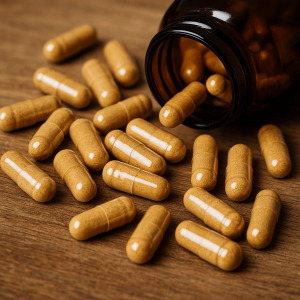
Close-up of thiamine (vitamin B1) supplement capsules spilling from an amber bottle, representing medical support for alcohol withdrawal and thiamine deficiency recovery.
alcohol abuse

Why Doctors Use Thiamine for Alcohol Withdrawal—and Why You Shouldn’t Detox Alone

If you or someone you love is preparing to stop drinking, you may hear the care team talk about giving “thiamine” or “vitamin B1” before or during alcohol withdrawal. It can sound like a simple vitamin fix. In reality, thiamine is a critical, brain‑protective treatment—and the fact that you need it is a strong sign that alcohol detox should never happen alone.

This guide explains why doctors rely on thiamine for alcohol withdrawal, what thiamine can and cannot do, and how to get safe, medically supervised help instead of trying to detox at home.

Read More »
A realistic scene of a counseling session between a client and therapist, representing the individualized substance abuse treatment plan process from detox to inpatient rehab.
Clinical Treatment and Recovery Experiences

What a Real Substance Abuse Treatment Plan Looks Like: From Detox in Austin to Inpatient in Wimberley

A substance abuse treatment plan is the written roadmap that guides your entire recovery journey. Instead of being a generic checklist, it is a living document that translates your assessment results, diagnosis, and personal goals into clear next steps.

In clinical language, this kind of plan for substance use disorder is sometimes called a “plan SUD.” It is designed for people with a diagnosed substance use disorder (SUD) and outlines how the care team will help you move from acute stabilization to long‑term recovery.

Read More »
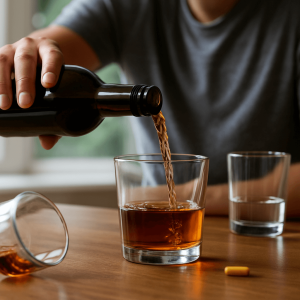
A person pouring liquor into a glass on a table, illustrating the struggle of tapering off alcohol and the risk of alcohol withdrawal.
alcohol abuse

Tapering Off Alcohol vs. Medical Detox: When It’s Safe—and When You Need Supervision

If you drink regularly and are thinking about quitting, you may wonder whether you can simply cut back on your own or whether you need medical detox. Many people search for how to taper off drinking because they want to avoid withdrawal or keep life as normal as possible. This guide explains what tapering off alcohol really means, why alcohol withdrawal can be dangerous, and how to decide when supervised detox is the safer choice.

This article is educational and cannot replace medical advice. If you have chest pain, trouble breathing, seizures, confusion, or hallucinations, call 911 or go to the nearest emergency room.

Read More »
Call Now Button