

Trending Topics

A person sitting at a table with multiple substances, pills, and a syringe, representing polysubstance addiction and the mental health risks of mixing poly drugs.
Addiction

Polysubstance Addiction and Mental Health: Understanding Poly Drugs and Recovery

Addiction and mental health are tightly connected, and that connection becomes even more complex when someone regularly mixes substances. Polysubstance addiction — often called polysubstance use disorder — occurs when a person relies on more than one drug or medication, sometimes in rapid sequence and sometimes all at once. This pattern can intensify cravings, disrupt mood, and make recovery feel out of reach.

For many people, the problem is not “alcohol or pills,” but alcohol and pills, or a shifting combination of poly drugs. These combinations strain the body, increase overdose risk, and often worsen depression, anxiety, or trauma-related symptoms. The encouraging truth is that with the right medical care, therapy, and long‑term support, people can and do recover from polysubstance use.

This guide explains what polysubstance use means, how it affects mental health, the signs and risks to watch for, and how Nova Recovery Center helps individuals move from chaos and uncertainty toward lasting stability.

Read More »
Young woman with two hands visible holding a cannabis joint and pressing her temple while experiencing anxiety at home.
Addiction

Pot, Panic, and Anxiety: How Weed Affects Mental Health

Many people reach for cannabis when they feel tense, wired, or overwhelmed. For some, it seems to take the edge off. For others, marijuana and anxiety quickly become tangled together. Instead of relaxing, they notice racing thoughts, a pounding heart, and a sense that something is terribly wrong.

At Nova Recovery Center, we hear from people who started using pot to sleep, eat, or cope with stress but now feel trapped in a cycle of weed and anxiety. Some describe weed and panic attacks that come out of nowhere; others talk about an intense fear of dying while high, convinced they are having a heart attack or losing their mind. This guide explains why that happens, what an anxiety attack on weed looks like, and how integrated addiction and mental health treatment can help you regain control.

Read More »
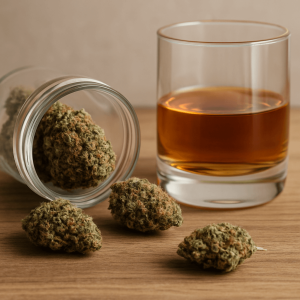
Close-up image showing cannabis buds beside a glass of alcohol, illustrating the comparison of weed or alcohol and their impact on mental health and addiction.
Addiction

Is Weed or Alcohol Worse for Addiction and Mental Health?

People often ask whether weed or alcohol is worse. Some see cannabis as “natural” and harmless. Others point to how common drinking is and wonder which substance does more damage. When you look closely at addiction and mental health, the answer isn’t simple. Both weed and alcohol can harm the brain, fuel mental health struggles, and derail daily life—especially when they’re used to cope with stress, trauma, or existing psychiatric conditions.

Read More »
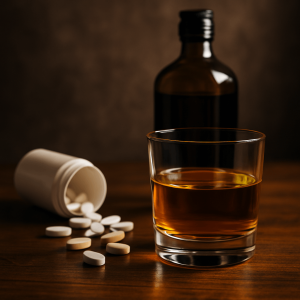
Realistic photo of a glass of alcohol on a wooden table, symbolizing the connection between drinking, mental health struggles, and emotional well-being.
Addiction

Alcohol and Mental Health: How Drinking Affects Your Mood and Mind

Alcohol is a legal substance, easy to find at celebrations, work events, and even quiet evenings at home. Yet alcohol does far more than create a brief buzz. It acts directly on the brain, changing mood, memory, sleep, and stress responses in ways that can seriously impact mental health over time. Understanding how alcohol and mental health interact can help you decide whether your drinking is supporting your well-being—or quietly working against it.

This guide explains how alcohol affects the brain, why it so often overlaps with conditions like anxiety, depression, and trauma, and what to do if you suspect drinking is harming your emotional health. It also outlines how integrated treatment at Nova Recovery Center can help when alcohol use and mental health challenges show up together.

Read More »
Man reflecting quietly at home, symbolizing emotional sobriety and emotional stability in addiction recovery.
Addiction

Emotional Sobriety: The Missing Piece in Long-Term Recovery

Many people think recovery ends once the drugs or alcohol are gone. The body detoxes, the cravings quiet down, and life is supposed to fall into place. Yet for many, the hardest work begins after physical sobriety. That next stage is called emotional sobriety—and understanding what it is, how it works, and how to practice it can make the difference between white-knuckling and true freedom.

This guide explains what emotional sobriety is, how it differs from physical sobriety, why it matters for mental health and relapse prevention, and how treatment at Nova Recovery Center helps you build it step by step.

Read More »
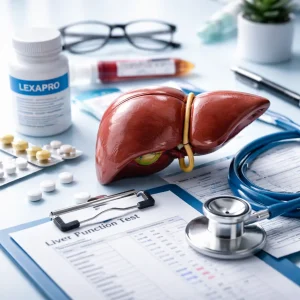
Realistic close-up of a prescription pill bottle next to a glass of red wine, illustrating the risks of mixing Lexapro and alcohol.
alcohol abuse

Lexapro and Alcohol: Can You Safely Drink While on This Medication?

If you take Lexapro (escitalopram) for depression or anxiety, you might wonder whether you can still drink socially. Questions about lexapro and alcohol are extremely common, especially when friends, work events, or holidays involve drinking. The short answer is that mixing these two is usually not recommended, and the details matter more than most people realize.

This guide explains what happens when you combine Lexapro and alcohol, why your prescriber often warns against it, and what to do if drinking has become hard to control while you’re on medication.

Read More »
Call Now Button