
Clinical Experiences
Therapy and Counseling (Addiction Therapy)
Excellent 4.6 out of 5 434 Google reviews across our locations



Published June 5, 2025
Reviewed and updated August 8, 2025
Therapy and Counseling in Addiction Treatment: The Core of Long-Term Recovery
After the physical symptoms of substance use begin to subside through detox, the true work of recovery begins: addiction therapy. Detox alone is never enough. Without addressing the deep-rooted emotional, psychological, and behavioral aspects of addiction, the risk of relapse remains high. That’s where therapy and counseling come in, forming the foundation for lasting change.
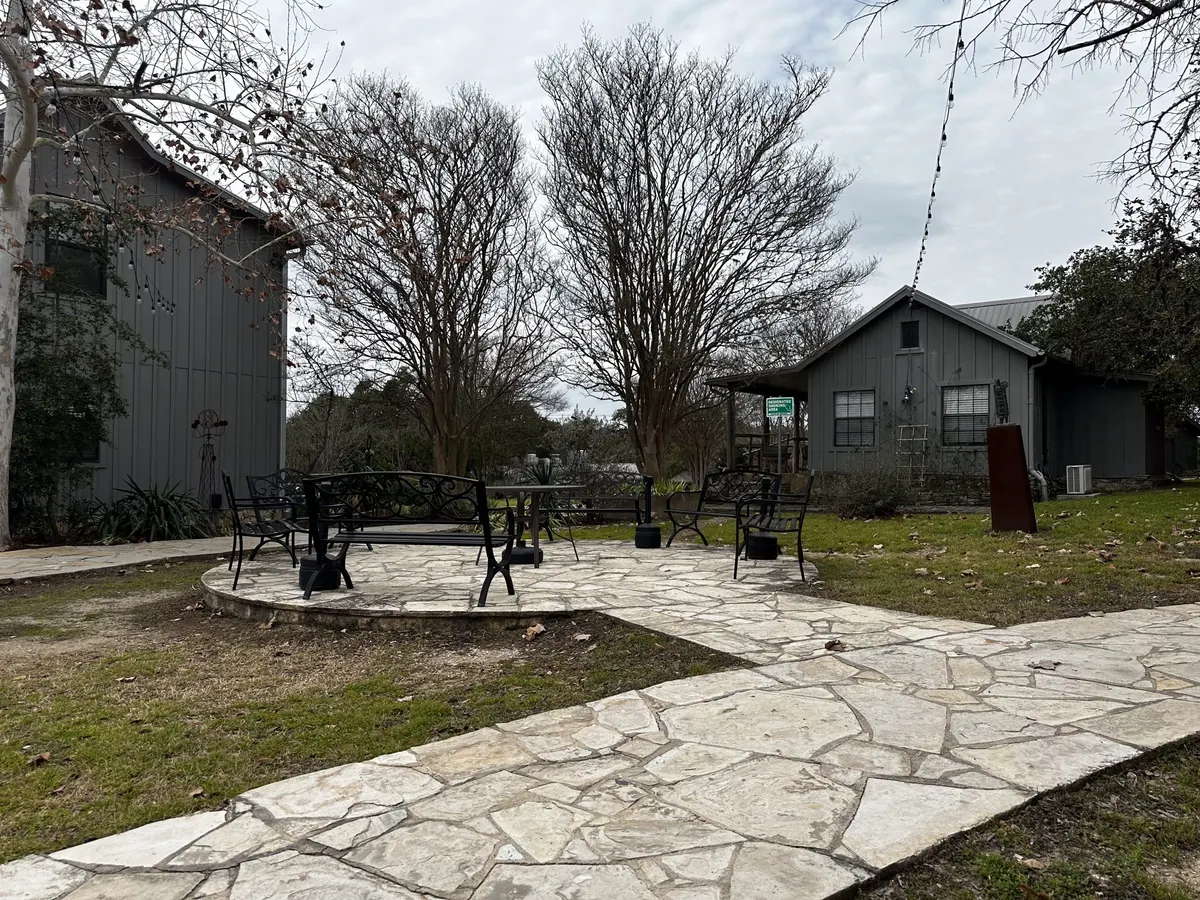
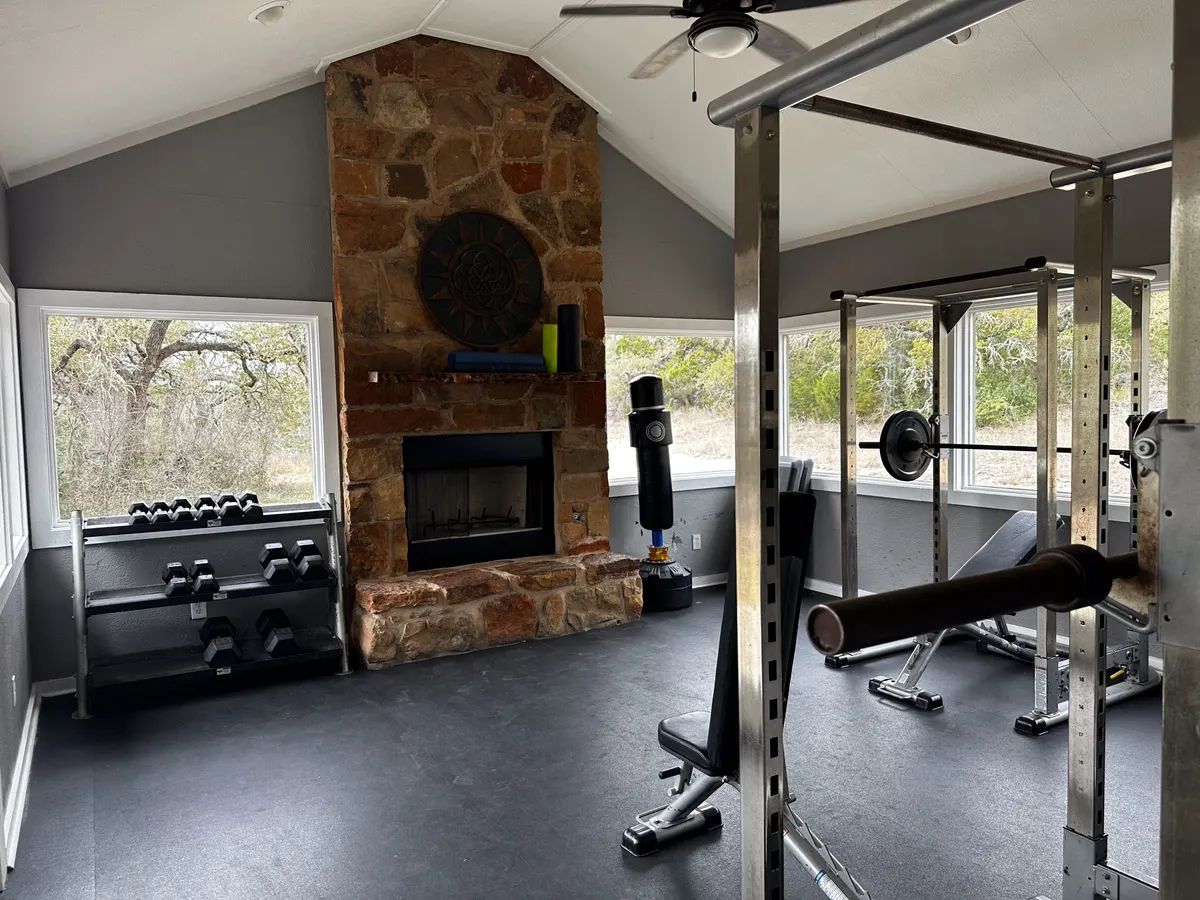




At Nova Recovery Center, we believe that therapy is the heart of every effective treatment program. Through individual counseling, group therapy, and evidence-based treatment models, clients gain the tools they need to heal from addiction and build a future in recovery. In this blog, we’ll explore how therapy works, why it matters, and what types of approaches are used in comprehensive rehab programs.
Why Is Addiction Therapy Essential After Detox?
Detox addresses the physical dependency on drugs or alcohol, but it doesn’t resolve the reasons someone started using substances in the first place. Addiction is often fueled by:
Past trauma
Anxiety or depression
Poor stress management
Unhealthy relationships
Low self-esteem or isolation
If these underlying issues are left untreated, it’s likely a person will return to substance use once cravings or life stressors reappear. Addiction therapy provides the insight and strategies needed to overcome these challenges in a healthy, sustainable way.
Therapy also helps individuals:
Identify triggers and avoid high-risk situations
Replace negative thoughts and behaviors
Rebuild relationships damaged by addiction
Strengthen motivation to stay sober
Develop a relapse prevention plan
It’s not just about staying sober, it’s about creating a fulfilling, balanced life that supports sobriety.
Freedom Starts Here. Take Back Your Life Today.
Same-Day Admissions in Austin Available.
Types of Addiction Therapy in Rehab
At Nova Recovery Center, we use a variety of evidence-based therapies, all proven to help people in recovery. The most effective treatment plans include a mix of individual, group, and sometimes family counseling. Below are some of the core approaches.
1. Individual Counseling
In one-on-one therapy sessions, clients work privately with a licensed counselor or therapist. This personalized approach helps them explore the root causes of addiction, develop coping skills, and process emotions in a safe environment.
Common goals in individual therapy include:
Building emotional regulation
Addressing past trauma
Understanding patterns of self-sabotage
Increasing motivation for change
Each client’s therapy is tailored to their personal history, mental health needs, and recovery goals.
2. Group Therapy
Group therapy is a powerful part of the recovery process. It brings people together who are experiencing similar struggles, creating a sense of community and shared accountability. Group sessions are facilitated by a therapist and may focus on:
Peer support and open discussion
Skills building (e.g., managing cravings)
Cognitive restructuring exercises
Role-playing for relapse prevention
Recovery-oriented education
Participants in group therapy often find validation and motivation in hearing others’ stories. It reduces feelings of shame and isolation and reinforces the idea that recovery is possible.
3. Cognitive Behavioral Therapy (CBT)
CBT is one of the most well-researched and widely used therapies in addiction treatment. It’s based on the concept that our thoughts influence our behaviors. If we can change harmful thought patterns, we can change the behaviors that lead to substance use.
CBT helps clients:
Recognize distorted thinking
Challenge and replace unhelpful beliefs
Manage stress and negative emotions
Improve decision-making and impulse control
For example, someone who believes “I can’t handle stress without drinking” might learn to reframe that thought into “I can handle stress using the techniques I’ve learned in therapy.” Over time, these new thought patterns become more automatic.
4. Motivational Interviewing (MI)
Motivational Interviewing is a client-centered approach that focuses on resolving ambivalence about quitting drugs or alcohol. Rather than confronting or pressuring clients, MI encourages them to find their own internal motivation for change.
MI is especially effective during early stages of treatment when individuals may still feel uncertain. It emphasizes:
Empathy and active listening
Exploring discrepancies between goals and behavior
Encouraging self-efficacy
Supporting autonomy and responsibility
Therapists using MI help clients explore questions like:
“What do you want your life to look like in a year?”
“How has substance use held you back?”
These reflections often lead to breakthroughs in motivation.
5. Family Therapy
Addiction affects the entire family, not just the person using substances. That’s why family therapy is often integrated into treatment plans. In these sessions, family members and loved ones work together with a therapist to:
Improve communication
Rebuild trust
Address enabling behaviors
Set healthy boundaries
Educate everyone on the recovery process
When families heal together, they become a stronger support system for the person in recovery. A more stable home environment also reduces the risk of relapse.
Other Outpatient Drug and Alcohol Rehab Locations
-
IOP in Austin →
-
IOP in San Antonio →
-
IOP in Colorado Springs →


Holistic and Complementary Therapies
In addition to evidence-based approaches like CBT and MI, many rehab programs offer holistic therapies that support emotional healing and overall well-being. These include:
- Mindfulness and meditation
- Yoga and fitness classes
- Art or music therapy
- Nutritional counseling
- Spiritual development (non-denominational)
While not a replacement for clinical therapy, these practices enhance recovery by reducing stress, improving mood, and providing healthy outlets for expression.
How Long Does Addiction Therapy Last?
The duration of therapy depends on the individual and the program. Some clients begin in a 30, 60, or 90-day inpatient rehab. Others continue therapy through intensive outpatient programs (IOP) or individual counseling for several months to a year after completing residential treatment.
According to NIDA, people who remain in treatment for at least 90 days have significantly better long-term outcomes. Recovery is not a race: it’s a process of growth, discovery, and sustained effort.
What Happens After Therapy Ends?
The end of a formal treatment program doesn’t mean the end of therapy. Many individuals choose to:
Continue weekly or bi-weekly outpatient therapy
Enroll in alumni or aftercare programs
Stay in sober living homes for accountability
These aftercare resources help individuals maintain the progress they’ve made in therapy and navigate the challenges of early recovery.
The Impact of Addiction Therapy
While therapy requires vulnerability and effort, its impact can be life-changing. Clients who commit to counseling often report:
Greater emotional resilience
Improved relationships
A sense of purpose and direction
Less shame and more self-worth
The ability to handle life without substances
Addiction therapy is not just about “fixing problems”, it’s about unlocking potential and creating a foundation for a new way of living.
Recovery Starts from Within
Addiction is a complex and deeply rooted issue, but with the right support, recovery is possible. Therapy and counseling provide a safe space to heal, grow, and learn the skills needed to thrive without drugs or alcohol.
At Nova Recovery Center, we offer a full range of therapeutic services tailored to your unique journey. Whether you’re struggling with opioid addiction, alcohol dependence, or another substance use disorder, our experienced counselors are here to walk beside you every step of the way.
Take the Next Step Toward Healing
Contact Nova Recovery Center today to learn more about our therapy and counseling programs. Whether you need residential rehab, outpatient support, or aftercare, we’re here to help you begin a whole new direction in life, starting now.
Related Topics or Scroll Down to Continue Reading





What clients say
Trusted by clients across Texas
4.6 from 434 Google reviews across 9 locations
Across Nova Recovery Center, Briarwood Detox Center and Eudaimonia Recovery Homes
★★★★★
“Nova is far from perfect, and some of the information can be misleading. But if you want to cover the 12 Steps while enjoying good food and a beautiful scenic view, this is the place for you. The…”
10 months ago · Wimberley
★★★★★
“I did 90 days at Nova Recovery 6 years ago. I am still sober today. And living a life I could have never imagined. The people and the program they are running impacted me for a lifetime. Better than…”
2 years ago · Wimberley
★★★★★
“I went to Nova almost 9 months ago and I wouldn’t change it for the world. The staff when I first entered were very nice and welcoming. As a 19 year old that didn’t know what I was getting myself…”
2 years ago · Austin
★★★★★
“Nova Recovery Center has been an invaluable part of my journey to sobriety. The intensive inpatient program, coupled with the unwavering support and guidance from my recovery specialist, Mark Rector…”
2 years ago · Austin


★★★★★
“I had such a positive experience at Nova Recovery in Wimberley! The staff genuinely cares and went above and beyond to support me every step of the way. The peaceful setting made it easier to focus…”
a year ago · Wimberley
★★★★★
“I love Nova so freaking much. Nova has saved my life in more ways than one. I was hopeless and had no solution suffering from this disease. The staff there never gave up on me. I was the worst client…”
2 years ago · Austin
★★★★★
“I know Mark rector is non-binary however it saved my life and it did a good job with CPR and I don't know how aside from staying sober I could ever repay it thank you Mr or Mrs or whatever you're…”
8 months ago · Austin
★★★★★
“It's been a few years since I was a patient at Nova Recovery Center. Recently I have been reflecting on my time there and how incredibly grateful I am for the experience I had. I have been to 7 rehab…”
2 years ago · Austin


Talk to someone today
Ready when you are
Admissions are answered 24 hours a day by a person, not a queue. We will check your benefits for free and tell you what treatment would actually cost.
Free and confidential · No obligation