

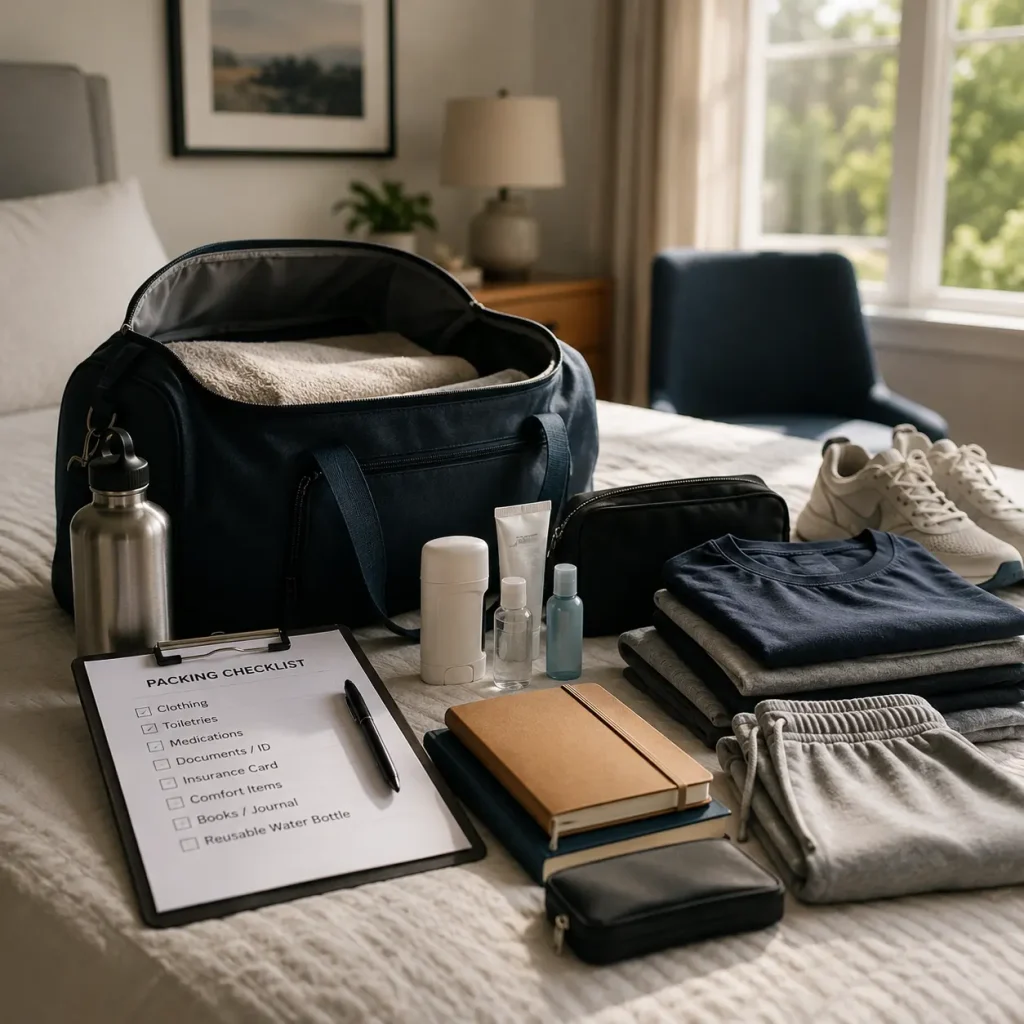
















Taking the step toward inpatient rehab is one of the bravest decisions you’ll ever make. But once you’ve committed to going, a new wave of questions tends to follow — and one of the most practical is: what exactly do I bring? Knowing what to pack for rehab in Austin, Texas can ease your nerves, help you feel more prepared, and let you focus on what truly matters: your recovery. This guide walks you through everything you need to bring, what to leave at home, and how to make your first day at a treatment center as smooth as possible.
Why Packing Right Matters for Inpatient Rehab
Your first day at an inpatient drug rehab center involves intake paperwork, orientation, medical assessments, and meeting your care team. The last thing you want is to be stressed about forgotten items or have personal belongings confiscated because they aren’t allowed on the premises. Every treatment facility has its own specific rules, so always confirm the exact guidelines with your admissions team before you arrive. That said, most inpatient rehab centers in Austin share similar policies, and this checklist gives you a solid starting point.
Packing thoughtfully also signals something important to yourself: you’re taking this seriously. You’re not just passing through — you’re committing to a period of real healing. Arriving organized and prepared sets the tone for the work ahead.
Essential Documents and Insurance Information
Before you even think about clothes or toiletries, make sure you have your paperwork in order. Most Austin treatment centers will need the following at admission:
- Government-issued photo ID (driver’s license, state ID, or passport)
- Health insurance card and any pre-authorization paperwork
- Social Security card (some facilities require this)
- List of current medications, including dosages and prescribing physicians
- Primary care doctor’s contact information
- Emergency contact information for family members or loved ones
- Any legal documents relevant to your situation, such as probation paperwork
If you’re unsure what documents your specific facility requires, call ahead. The admissions team at Nova Recovery Center’s inpatient drug rehab program is available to walk you through exactly what to bring before you arrive.
Clothing: Comfort Over Style
Inpatient rehab isn’t a fashion show — it’s a place to heal. Pack comfortable, practical clothing that suits Austin’s climate. Texas weather can swing from hot and humid to surprisingly cool in the evenings, especially in fall and winter, so layers are a smart idea.
Here’s a general clothing checklist for a 30-day stay (adjust quantities based on your program length):
- 7–10 casual tops or t-shirts
- 5–7 pairs of comfortable pants, joggers, or jeans
- Comfortable shorts (if allowed by facility policy)
- Enough underwear and socks for at least a week between laundry days
- A light jacket or hoodie for cool evenings or air-conditioned spaces
- Pajamas or sleepwear
- Comfortable sneakers or walking shoes
- Sandals or flip-flops (especially useful for shared shower areas)
- Athletic wear if the facility has fitness activities
Check with your facility about dress codes. Some programs have modest dress policies, and revealing or offensive clothing may not be permitted.
Toiletries and Personal Hygiene Items
Most rehab centers allow standard personal hygiene products, but there’s an important catch: many facilities require all products to be alcohol-free. This means checking labels on mouthwash, hand sanitizer, aftershave, and certain hair products. Alcohol-based products can be a trigger or even misused during early recovery, so treatment centers take this seriously.
Safe items to pack typically include:
- Alcohol-free shampoo, conditioner, and body wash
- Alcohol-free deodorant
- Toothbrush and toothpaste
- Alcohol-free mouthwash
- Razor (disposable razors are often preferred; electric razors may need approval)
- Feminine hygiene products
- Sunscreen (alcohol-free formula preferred)
- Lip balm
- Lotion or moisturizer
- Nail clippers and a small nail file
- Hairbrush or comb, and basic hair accessories
Leave aerosol sprays, perfumes with alcohol, and anything in large quantities at home — many facilities limit product sizes similar to TSA airline rules.
Prescription Medications: What You Need to Know
If you take prescription medications for conditions unrelated to substance use — such as medications for diabetes, blood pressure, mental health, or seizures — you’ll need to bring them with you. Follow these guidelines:
- Bring medications in their original pharmacy-labeled bottles
- Bring enough supply to last the duration of your stay, plus a few extra days
- Bring written documentation from your prescribing physician if possible
- Disclose all medications during your intake assessment — this is not optional and is critical for your safety
Medications will typically be held by the medical staff and dispensed to you at the appropriate times. This is standard practice in inpatient treatment and is designed to keep everyone in the facility safe and on track with their recovery.
Never bring controlled substances, unprescribed medications, or supplements without prior approval. These will be confiscated and could jeopardize your admission.
Comfort Items and Personal Touches
Recovery is deeply personal, and having a few meaningful items from home can provide comfort during difficult moments. Most inpatient rehab centers in Austin allow residents to bring:
- Photos of loved ones (printed, not just on your phone — which may have limited access)
- Books, including recovery literature, novels, or spiritual texts
- A journal or notebook — journaling is a powerful recovery tool
- Pens and pencils
- A small alarm clock (without internet capability)
- Earplugs or a sleep mask if you’re a light sleeper
- A small amount of cash for vending machines or approved outings (check the facility’s limit)
- Stamps and envelopes if you’d like to write letters to family
Recovery literature — such as the Alcoholics Anonymous Big Book or the Narcotics Anonymous Basic Text — can be especially grounding during your time in treatment. Many facilities provide these, but having your own personal copy is always meaningful.
What NOT to Bring to Inpatient Rehab
Just as important as knowing what to pack is knowing what to leave behind. Bringing prohibited items can delay your admission, cause problems for other residents, or undermine the healing environment the facility works hard to maintain. Common prohibited items include:
- Any alcohol or illicit drugs (obviously — but it bears repeating)
- Prescription medications not belonging to you
- Weapons of any kind
- Sexually explicit materials
- Clothing with drug- or alcohol-related imagery or offensive messages
- Expensive jewelry or large amounts of cash
- Electronics with internet access (smartphones, tablets, laptops) — many facilities restrict or prohibit these, especially in early treatment
- Aerosol products
- Products containing alcohol (check every label)
If you’re unsure whether something is allowed, call before you pack it. The admissions team would much rather answer your question in advance than have to confiscate something on your first day.
Preparing Your Mind and Heart for Day One
Beyond the physical packing list, take a moment to think about your mental and emotional preparation. Walking through the doors of an inpatient treatment center is a significant act of courage. It’s okay to feel scared, uncertain, or even relieved — often all three at once.
Here are a few things to keep in mind as you prepare:
- Give it time. The first few days can feel overwhelming as your body adjusts and the structure of the program sets in. Trust the process.
- Be honest. The more openly you communicate with your treatment team, the better they can help you. This applies to your history, your mental health, your medications, and your fears.
- Leave expectations at the door. Rehab isn’t what you see on TV. It’s real, structured, sometimes uncomfortable, and ultimately transformative.
- Know that you’re not alone. Thousands of Texans have walked through the doors of a treatment center and come out the other side with their lives changed for the better.
Whether you’re seeking help for yourself or supporting a loved one, understanding the full scope of drug and alcohol rehab options in Austin, TX can help you make informed, confident decisions about treatment.
What Comes After Inpatient Treatment?
Packing for rehab is just the beginning of the conversation. Once you complete an inpatient program, continuing care is essential for long-term sobriety. Many people step down to an outpatient rehab program, which allows them to maintain treatment while gradually reintegrating into daily life. Options like intensive outpatient programs (IOP) provide structured therapy multiple days per week while giving you the flexibility to return home each evening. For residents of Central Texas, programs like IOP in San Marcos, TX offer accessible continuing care close to home.
Recovery is not a single event — it’s a journey. The packing list gets you through the door. The real work begins once you’re inside.
Ready to Take the First Step? Nova Recovery Center Is Here
If you or someone you love is preparing to enter inpatient rehab in Austin, Texas, Nova Recovery Center is here to guide you every step of the way — from your first phone call to long-term continuing care. Our compassionate admissions team can answer all your questions about what to bring to rehab, what to expect on day one, and how our programs are structured to support lasting recovery.
Call us today at (512) 209-6925 to speak with an admissions specialist. You don’t have to have it all figured out. You just have to make the call.
Frequently Asked Questions
What should I bring to inpatient rehab in Austin, Texas?
You should bring government-issued ID, insurance information, a week or more of comfortable clothing, alcohol-free toiletries, any prescription medications in their original bottles, a journal, books, and a small amount of cash. Always confirm the specific packing list with your treatment center before your admission date, as policies can vary between facilities.
Can I bring my phone or laptop to inpatient drug rehab?
Most inpatient rehab centers restrict or prohibit personal electronic devices — especially smartphones and laptops with internet access — during the early stages of treatment. This is intentional: limiting outside distractions helps you focus on your recovery. Some facilities allow limited phone use after an initial blackout period. Check with your specific program for their electronics policy.
Are there items that will be confiscated when I arrive at rehab?
Yes. Common items that are confiscated at admission include products containing alcohol (mouthwash, certain hair products, hand sanitizer), any unprescribed medications or substances, weapons, and electronics not permitted by the facility. Expensive jewelry and large amounts of cash are also discouraged for security reasons. When in doubt, call ahead and ask.
Can I bring prescription medications to inpatient rehab?
Yes, but they must be in their original pharmacy-labeled bottles and fully disclosed to the medical team during intake. Your medications will typically be held by the clinical staff and dispensed at the appropriate times for your safety. Never bring medications that are not prescribed to you, and always bring enough supply to last your entire stay.
How long does inpatient rehab typically last in Texas?
Most inpatient rehab programs in Texas run between 28 and 90 days, depending on the severity of the addiction, the individual’s needs, and the type of program. A 30-day program is one of the most common lengths, but many clinicians recommend longer stays for more complex cases. Your treatment team will help determine the appropriate length of care for your situation.
What happens after I finish inpatient rehab in Austin?
After completing inpatient treatment, most people transition to a lower level of care such as an outpatient rehab program or an intensive outpatient program (IOP). These continuing care options provide ongoing therapy and support while allowing you to return to daily life. Having a solid aftercare plan significantly improves long-term recovery outcomes.