Drug Use
Why Do People Get Addicted to Heroin?
Excellent 4.6 out of 5 434 Google reviews across our locations



Published February 3, 2016
Updated July 28, 2026
Have you ever wondered how people get addicted to heroin? Many substances can lead to addiction, but heroin is among the worst because substantial effects on the body and mind make it a difficult drug to combat. With all the drugs out there, how can you tell if a person has formed a heroin addiction?
What Is Heroin?
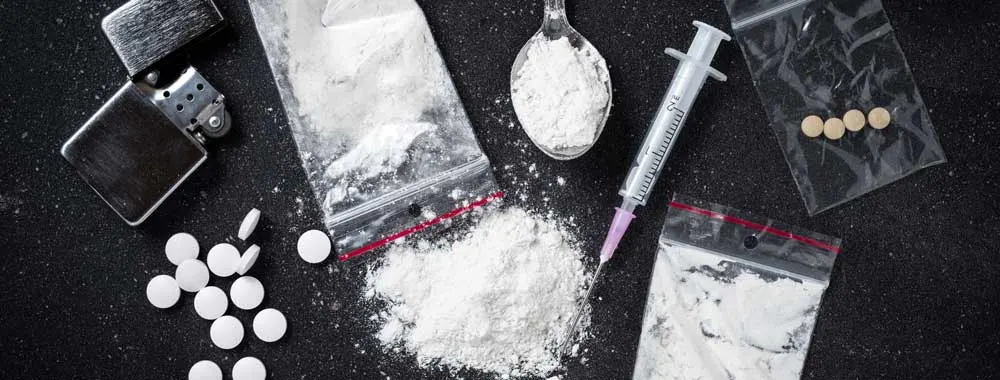
Heroin is made from morphine, which is derived from the seed pods of the poppy plant. Morphine is often used as a strong pain reliever in hospitals. Heroin is a more concentrated, synthesized form that is rendered in its pure form as a white powder or mixed with other substances, such as sugar, starch, powdered milk, or quinine. This powder can be smoked, snorted, or injected.1
It may also appear as a sticky, dark substance, often called black tar heroin. This form of heroin is not as pure as the white powder because it is not as highly processed. Created by drug cartels in an attempt to cut costs and increase profits, black tar heroin use in the United States is on the rise as a result of its low price.
How Is Heroin Used?
According to the most recent National Survey on Drug Use and Health (NSDUH) available in 2021, around 745,000 people reported using heroin in the past year and 438,000 people met the criteria for having heroin use disorder.2
Because pure heroin is a powder form, snorting is a popular method of consumption, but it isn’t the only possibility. In powder form, heroin may be smoked as well. These options bypass the necessity of a needle, which may be appealing to newcomers.
Injection is the other option for heroin use.3 Seemingly the most painful, injection also provides the greatest high. While smoking or snorting don’t require needles, they also do not provide the same immediate rush of euphoria that begins within seconds after injection. Because needles leave marks on the body, a person may attempt to hide the injection sites in concealed places, including between the toes.
Can You Get Addicted to Heroin On Your First Try?
Although heroin is highly addictive, you can’t get addicted to it after one dose. Heroin addiction develops after a physical dependence on the drug occurs, and that requires time and repeated heroin use.4
According to the National Institute on Drug Abuse, about one-quarter of people who try heroin will get addicted.5 While using it once isn’t likely to cause addiction, it does have the potential to introduce you to a dangerous lifestyle and habits of drug use.
The more frequently you use heroin, the quicker your brain will become accustomed to the chemical changes, and the more heroin you’ll need to use to achieve the same euphoria you felt the very first time you used it.
Why Is Heroin So Addictive?
Whatever method is used, heroin has a definitive impact on the body. The influx of heroin into the brain wreaks havoc on the pleasure and pain centers of the brain. When it enters the brain, it is metabolized into morphine and overwhelms the opioid receptors.6
Consistent use leads those receptors to depend on that influx of morphine, which in turn triggers the addiction. When the brain is deprived of heroin, those receptors go into overdrive, creating the pain associated with withdrawal.
Once the initial euphoria of heroin begins to subside, a person may feel drowsy, slipping in and out of consciousness. Limbs become heavy, the skin flushes, and concentration is difficult. As use continues, the body becomes accustomed to this state and needs increased quantities of the drug to reach the same sensation.
Who Is At Risk for Heroin Addiction?
While it’s true that not everyone who uses heroin will become addicted, certain people may be more likely to abuse heroin and develop a physical dependence or addiction. Some factors that increase a person’s risk include:7
- Prescription painkiller addiction: According to the CDC, this is the strongest risk factor for developing a heroin addiction.8 Many people who misuse heroin first start out abusing prescription painkillers. However, narcotics are difficult to get and are expensive. Heroin, on the other hand, is easily accessible, cheaper, and provides the same euphoric effects.
- Young age: People who begin using drugs at an early age (particularly teens and young adults) are more likely to develop substance use disorders.
- Genetics: Researchers have been able to isolate gene sequences that indicate a greater risk of addiction.9 That means certain people are more inclined to abuse drugs or alcohol due to their genetics (although home environment plays a big role too). People with immediate family members who experienced addiction may be more likely to abuse drugs too.
- The method and frequency of use: Injection drug use is associated with substantially more substance abuse-related problems, including addiction. That’s because the drug delivers a powerful dose to the brain very quickly, which increases the risk for physical dependence.10
- Polydrug abuse: Most people who use heroin use at least one other drug. In addition, people who use cocaine are 15 times more likely to be addicted to heroin and those who use marijuana are 3 times more likely to be addicted to heroin.
- Co-occurring disorders: People with untreated psychiatric disorders like depression, anxiety, PTSD, or bipolar disorder are more likely to suffer from a substance use disorder too.

Mental Illness and Heroin Addiction
Research shows substance use disorders occur at high prevalence with mental disorders like bipolar disorder and depression. The same is true of addiction and anxiety disorders. However, this doesn’t necessarily mean that one caused the other, even if one was diagnosed before the other.
One research report from the NIDA attributes the connection between mental illness and addiction to three primary factors:11
- Substance use disorders and mental illness share many risk factors: Risk factors like extreme stress, trauma, and other environmental factors can contribute to mental illness and substance abuse. Both substance use disorders and mental illnesses also involve the same areas of the brain as well as the same neurotransmitters, such as serotonin, dopamine, GABA, and others.
- Mental illness may contribute to substance use and addiction: Experts hypothesize that individuals with undiagnosed mental illnesses may use drugs and alcohol to self-medicate. The drugs may temporarily reduce symptoms of mental illness, but in the long run, they will only make them worse.
- Substance use and addiction may contribute to the development of mental illness: Abusing drugs and alcohol can lead to brain changes in the same areas that are disrupted by mental health conditions like depression, schizophrenia, or anxiety disorders.
How Do Prescription Opioids Lead to Heroin Abuse?
As previously mentioned, prescription opioid abuse is one of the strongest predicting factors that a person will also develop heroin addiction. Some people who take prescription opioids become physically dependent on them, especially if they use them for several weeks. From there, addiction can develop with continued, more frequent use.
However, obtaining prescription opioids isn’t always easy. Some people may “doctor shop,” which refers to the practice of getting the same prescription from more than one doctor. Others may buy prescription painkillers illegally online, from a local dealer, or a friend of a friend.
If a person is unable to get painkillers and they are addicted, they might do anything to avoid experiencing uncomfortable opioid withdrawal symptoms. This includes resorting to a different drug that will provide similar effects.
Heroin offers the same powerful, euphoric side effects with a lower price. It’s also easier to get, making it a convenient and reliable alternative for many people who are addicted to prescription painkillers.
How Is Heroin Addiction Treated?
There are several types of treatment methods that research has proven to be effective in treating heroin addiction. However, depending on a person’s unique needs, one or more approaches may work better than others. Treatment should always be individualized for the best chance at a full recovery. Medicines and behavioral therapies are both effective to treat heroin addiction. Typically, someone who is addicted to heroin needs to complete an inpatient or outpatient detox program before they begin rehab.
Medicines to treat heroin addiction
Medication such as methadone and buprenorphine bind to the same opioid receptors in the brain that heroin does. However, it’s a weaker bind, which reduces cravings and withdrawal symptoms. Naltrexone can also treat heroin addiction by blocking the drug from binding to opioid receptors in the body, and thus, preventing it from having any effect.
Behavioral therapies to treat heroin addiction
Certain types of behavioral therapies including cognitive-behavioral therapy and contingency management are also effective. They work by helping the person modify their thought and behavior patterns, manage triggers and stress, and establish healthy expectations for life. Contingency management provides incentives to reward positive behavior, such as staying sober or completing 12-Step Program work.
Medication and therapy can be used in conjunction to treat heroin addiction. Many addiction treatment centers do so, including our drug rehab in Austin and intensive outpatient programs (IOP) to give clients the best opportunity at achieving sustained lifelong recovery. Enrolling in a sober living Austin program can also help individuals sustain long-lasting recovery after they complete rehab.
Being addicted to heroin is a trial that is difficult to overcome. The more it is used, the more the body craves it, leading people into a cycle of need and temporary satisfaction. If you believe someone you know is struggling with heroin addiction, understand what they are suffering through. It may be difficult, but help is available.
Contact our Austin recovery center today if you’re ready to receive help for heroin addiction. The Nova staff is available now to take your call.
References:
- NIDA: What heroin
- https://www.samhsa.gov/data/sites/default/files/reports/rpt29393/2019NSDUHFFRPDFWHTML/2019NSDUHFFR1PDFW090120.pdf
- uofmhealth.org: Health library
- Drug Policy Alliance: Can using heroin once make you addicted
- NIDA: Heroin
- NIDA: What are immediate short term effects heroin use
- https://pubmed.ncbi.nlm.nih.gov/29049118/
- https://www.cdc.gov/vitalsigns/heroin/index.html
- https://www.ncbi.nlm.nih.gov/pmc/articles/PMC2715956/
- https://www.ncbi.nlm.nih.gov/pmc/articles/PMC3225003/
- NIDA: Why there comorbidity between substance use disorders mental illnesses
Medically Reviewed by: Dr. Sarah Mendez, MD, ABAM
Board Certification: American Board of Addiction Medicine
Last Reviewed: January 2025
Dr. Mendez is a board-certified addiction medicine physician with over 12 years of clinical experience treating opioid use disorders. She completed her addiction medicine fellowship at Baylor College of Medicine and maintains active certification through the American Board of Addiction Medicine (ABAM).
Key Medical Facts About Heroin Addiction
Understanding how heroin addiction develops requires recognizing both the pharmacological mechanisms and individual risk factors that contribute to opioid use disorder:
- Rapid brain adaptationHeroin crosses the blood-brain barrier faster than most opioids, triggering immediate dopamine surges that reinforce use within the first few exposures.
- Tolerance developmentThe brain adapts to repeated heroin exposure within days, requiring higher doses to achieve the same effect and creating a dangerous escalation cycle.
- Physical dependence timelineMost individuals develop measurable physical dependence within 2-3 weeks of regular use, with withdrawal symptoms emerging 6-12 hours after the last dose.
- Genetic vulnerabilityResearch indicates 40-60% of addiction risk is heritable, with genetic factors influencing both initial response to opioids and progression to disorder.
- Co-occurring conditionsOver 50% of individuals with opioid use disorder have co-occurring mental health conditions, particularly depression, anxiety, and trauma-related disorders.
Professional treatment addresses all these factors simultaneously. At Nova Recovery Center, our evidence-based addiction treatment programs combine medical stabilization with behavioral therapies designed specifically for opioid use disorder.
Frequently Asked Questions About Heroin Addiction
Can someone become addicted to heroin after one use?
While a single use rarely causes clinical addiction, heroin’s intense rewarding effects can trigger powerful cravings and psychological attachment after just one or two exposures, particularly in individuals with genetic vulnerability or prior opioid exposure. Physical dependence typically develops after repeated use over days to weeks. The unpredictable potency of street heroin and fentanyl contamination make even experimental use potentially fatal.
Why do prescription painkillers lead to heroin use?
Approximately 80% of people who use heroin first misused prescription opioids. As tolerance builds and prescriptions become harder to obtain, some individuals turn to heroin as a cheaper, more accessible alternative that produces similar effects. The transition is not inevitable, most people who misuse prescription opioids do not progress to heroin, but the pharmacological similarity creates a neurobiological pathway that increases risk, especially when combined with inadequate pain management alternatives and untreated underlying conditions.
What are the first signs someone is developing heroin addiction?
Early warning signs include: increased secrecy about activities and whereabouts; unexplained financial problems or stealing; physical signs like constricted pupils, drowsiness, and slurred speech; possession of syringes, burnt spoons, or small baggies; withdrawal from family and previously enjoyed activities; declining performance at work or school; and track marks or wearing long sleeves in warm weather. Behavioral changes often precede obvious physical signs. If you recognize these patterns in a loved one, our family counseling services can help you approach the situation effectively.
Is medication-assisted treatment necessary for heroin addiction?
Medication-assisted treatment (MAT) using buprenorphine, methadone, or naltrexone significantly improves outcomes for opioid use disorder. Research consistently shows MAT reduces overdose death risk by 50% or more, increases treatment retention, and supports long-term recovery better than behavioral interventions alone. MAT addresses the neurobiological aspects of addiction, reducing cravings and normalizing brain chemistry, while therapy addresses psychological and behavioral patterns. Our clinical team at Nova Recovery Center integrates MAT with comprehensive counseling and therapy for optimal results.
How long does heroin addiction treatment take?
Evidence-based treatment for heroin addiction typically begins with medical detoxification (5-10 days), followed by intensive treatment lasting 30-90 days, and continuing care that may extend months to years. The brain requires substantial time to heal from opioid exposure, neuroplasticity studies show significant recovery occurs over 12-18 months of sustained abstinence. Treatment duration should be individualized based on severity, co-occurring conditions, social support, and progress. Our continuum of care approach provides the structured support necessary for lasting recovery, with intensity adjusting as you progress.
Get Professional Help for Heroin Addiction in Austin
Heroin addiction is a serious medical condition that responds to evidence-based treatment. At Nova Recovery Center, our team of addiction medicine specialists, licensed therapists, and peer recovery support professionals provides comprehensive care tailored to your unique situation. We offer: Medically supervised detoxification with 24/7 physician oversightMedication-assisted treatment with buprenorphine and naltrexoneIntensive outpatient programs for flexible, effective careIndividual and group therapy using evidence-based modalitiesFamily therapy and educationComprehensive aftercare planning and alumni support Start recovery today. Call our admissions team at (512) 605-2955 for a confidential consultation. We accept most insurance plans and can verify your benefits immediately.
What clients say
Trusted by clients across Texas
4.6 from 434 Google reviews across 9 locations
Across Nova Recovery Center, Briarwood Detox Center and Eudaimonia Recovery Homes
★★★★★
“Nova is far from perfect, and some of the information can be misleading. But if you want to cover the 12 Steps while enjoying good food and a beautiful scenic view, this is the place for you. The…”
10 months ago · Wimberley
★★★★★
“I did 90 days at Nova Recovery 6 years ago. I am still sober today. And living a life I could have never imagined. The people and the program they are running impacted me for a lifetime. Better than…”
2 years ago · Wimberley
★★★★★
“I went to Nova almost 9 months ago and I wouldn’t change it for the world. The staff when I first entered were very nice and welcoming. As a 19 year old that didn’t know what I was getting myself…”
2 years ago · Austin
★★★★★
“Nova Recovery Center has been an invaluable part of my journey to sobriety. The intensive inpatient program, coupled with the unwavering support and guidance from my recovery specialist, Mark Rector…”
2 years ago · Austin


★★★★★
“I had such a positive experience at Nova Recovery in Wimberley! The staff genuinely cares and went above and beyond to support me every step of the way. The peaceful setting made it easier to focus…”
a year ago · Wimberley
★★★★★
“I love Nova so freaking much. Nova has saved my life in more ways than one. I was hopeless and had no solution suffering from this disease. The staff there never gave up on me. I was the worst client…”
2 years ago · Austin
★★★★★
“I know Mark rector is non-binary however it saved my life and it did a good job with CPR and I don't know how aside from staying sober I could ever repay it thank you Mr or Mrs or whatever you're…”
8 months ago · Austin
★★★★★
“It's been a few years since I was a patient at Nova Recovery Center. Recently I have been reflecting on my time there and how incredibly grateful I am for the experience I had. I have been to 7 rehab…”
2 years ago · Austin


Talk to someone today
Ready when you are
Admissions are answered 24 hours a day by a person, not a queue. We will check your benefits for free and tell you what treatment would actually cost.
Free and confidential · No obligation