
Drug & Substance Guide
Mirtazapine Addiction: Withdrawal, Symptoms & Treatment
Admissions answered 24 hours a day · Free and confidential
Excellent 4.6 out of 5 434 Google reviews across our locations


What clients say
Trusted by clients across Texas
4.6 from 434 Google reviews across 9 locations
Across Nova Recovery Center, Briarwood Detox Center and Eudaimonia Recovery Homes
★★★★★
“Nova is far from perfect, and some of the information can be misleading. But if you want to cover the 12 Steps while enjoying good food and a beautiful scenic view, this is the place for you. The…”
10 months ago · Wimberley
★★★★★
“I did 90 days at Nova Recovery 6 years ago. I am still sober today. And living a life I could have never imagined. The people and the program they are running impacted me for a lifetime. Better than…”
2 years ago · Wimberley
★★★★★
“I went to Nova almost 9 months ago and I wouldn’t change it for the world. The staff when I first entered were very nice and welcoming. As a 19 year old that didn’t know what I was getting myself…”
2 years ago · Austin
★★★★★
“Nova Recovery Center has been an invaluable part of my journey to sobriety. The intensive inpatient program, coupled with the unwavering support and guidance from my recovery specialist, Mark Rector…”
2 years ago · Austin


★★★★★
“I had such a positive experience at Nova Recovery in Wimberley! The staff genuinely cares and went above and beyond to support me every step of the way. The peaceful setting made it easier to focus…”
a year ago · Wimberley
★★★★★
“I love Nova so freaking much. Nova has saved my life in more ways than one. I was hopeless and had no solution suffering from this disease. The staff there never gave up on me. I was the worst client…”
2 years ago · Austin
★★★★★
“I know Mark rector is non-binary however it saved my life and it did a good job with CPR and I don't know how aside from staying sober I could ever repay it thank you Mr or Mrs or whatever you're…”
8 months ago · Austin
★★★★★
“It's been a few years since I was a patient at Nova Recovery Center. Recently I have been reflecting on my time there and how incredibly grateful I am for the experience I had. I have been to 7 rehab…”
2 years ago · Austin


Exceptional standards, backed by credible organizations
Our affiliations and accreditations

What mirtazapine is
Mirtazapine, sold as Remeron, is an antidepressant, not a stimulant and not a controlled substance. It is prescribed for depression, PTSD and anxiety, and it works by shifting the balance of serotonin and norepinephrine.
The reason it turns up on a page about addiction is its sedation: people misuse it to sleep, and stopping it after a long course produces withdrawal symptoms on a timeline of their own. This page covers how Remeron is misused, the side effects, the signs of addiction, and the withdrawal symptoms and timeline.
- What it is
- A prescription antidepressant (Remeron)
- What it treats
- Depression, PTSD and anxiety disorders
- How it works
- Changes the serotonin and norepinephrine balance
- Why it is misused
- Its sedating effects
Remeron does not produce a high, and people still develop a habit with it. Taking it more often than prescribed is the signal.
Although not considered a stimulant, Remeron has sedating effects. These effects may cause some people to misuse it. When used correctly, it can be helpful. But when abused, it can create serious problems.
Related: TCAs share many of these concerns: see Elavil (amitriptyline) withdrawal and addiction for signs, timelines, and treatment.




Is Remeron Addictive?
People do not typically think of Remeron as addictive. It doesn’t produce a high like other drugs.
However, some people develop a habit. They might use it more often than prescribed or mix it with drugs or alcohol. This behavior can increase the risk of dependence and other health issues.
According to the National Survey on Drug Use and Health, millions of Americans misuse prescription drugs each year. This includes antidepressants like mirtazapine. The national survey shows that prescription misuse is a growing public health issue.
Mirtazapine Withdrawal Timeline
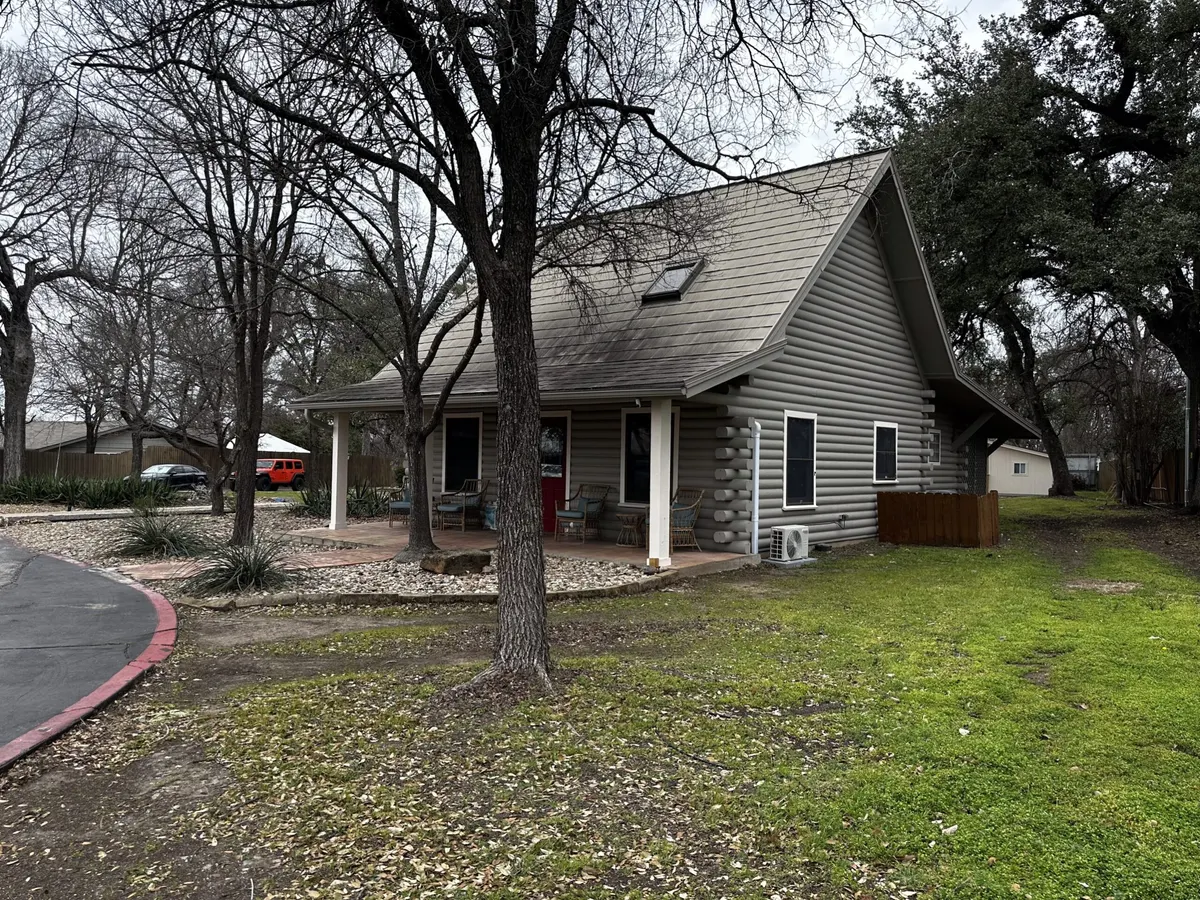
The mirtazapine withdrawal timeline can vary depending on several factors. For example, symptoms may start 2–4 days after the last dose.
They usually peak during the first week. Some people feel better in a couple of weeks. Others may take longer to feel normal again.
Emotional symptoms like anxiety or depression may last for a month or more. These effects vary depending on the person’s body, mental health conditions, and usage habits.
Education & Support

Is Mirtazapine Addictive?
Mirtazapine (often known by the brand name Remeron) is a prescription antidepressant and isn’t typically considered “addictive.” However, taking it differently than prescribed, or stopping suddenly, can be uncomfortable or risky for some people. Use the quick quiz below to help guide safe next steps.
Mirtazapine Quiz
We accept most major insurance
Most major insurance covers treatment here
We'll check your benefits for free and tell you what you'd actually pay, before you commit to anything.
















Takes about 2 minutes · No obligation · Or call (512) 605-2955
Don't see yours? We work with more plans than we can show here.
FAQ: Mirtazapine
What is the main use of mirtazapine?
Mirtazapine (Remeron) is primarily prescribed to treat major depressive disorder (MDD). It works by balancing serotonin and norepinephrine levels in the brain to improve mood, sleep, and appetite.
Is mirtazapine similar to Xanax?
No, mirtazapine and Xanax are different medications. Mirtazapine is an antidepressant, while Xanax (alprazolam) is a benzodiazepine used for short-term relief of anxiety. Mirtazapine works gradually, whereas Xanax provides quick but temporary relief.
What is mirtazapine used for in dogs?
Veterinarians sometimes prescribe mirtazapine to dogs for appetite stimulation, nausea control, and anxiety reduction. It should only be given under veterinary supervision.
How does mirtazapine make you feel?
Mirtazapine can make you feel calmer, more emotionally balanced, and better rested. Many people notice improved sleep and appetite, which helps reduce depression-related fatigue.
What is the most common side effect of mirtazapine?
The most common side effects of mirtazapine are drowsiness and weight gain due to its sedating and appetite-stimulating properties.
Why is mirtazapine so good?
Mirtazapine is considered highly effective for people with depression and insomnia. Unlike some antidepressants, it helps with sleep and appetite, making it a good option for individuals struggling with fatigue or weight loss.
How addictive is mirtazapine?
Mirtazapine is not considered addictive, but dependence-like withdrawal symptoms (such as nausea, irritability, and insomnia) may occur if it is stopped suddenly after long-term use.
Is mirtazapine a miracle drug?
While not a miracle drug, mirtazapine is valued for its dual benefits of treating depression and improving sleep. Its effectiveness depends on the individual, and it may not work for everyone.
Is Zoloft and mirtazapine the same thing?
No, Zoloft (sertraline) and mirtazapine are different. Zoloft is an SSRI, while mirtazapine is a noradrenergic and specific serotonergic antidepressant (NaSSA). Both treat depression and anxiety but work in different ways.
Why would a vet prescribe mirtazapine?
A vet may prescribe mirtazapine to stimulate appetite, reduce nausea, or manage anxiety in pets, especially cats and dogs with chronic illness or loss of appetite.
What can you not take with mirtazapine?
Mirtazapine should not be taken with: MAO inhibitors (risk of serotonin syndrome)Certain SSRIs or SNRIs without medical guidanceAlcohol or sedatives, which may increase drowsinessSome pain medications that affect serotonin
Is mirtazapine an appetite stimulant?
Yes, one of the key side effects of mirtazapine is increased appetite and weight gain. This can be helpful for patients with depression-related weight loss but may be unwanted for others.

Detox and Safety
Quitting cold turkey is not safe. A medically assisted detox is the safest way to stop. Medical care during detox helps reduce risks and makes withdrawal easier.
A licensed treatment facility should conduct a detox program. Medical staff will check your symptoms, manage discomfort, and provide support.
If you have other medical conditions, inpatient drug rehab may be best. These programs offer full-time help and health care support.
Outpatient Drug Rehab
Outpatient treatments are more flexible. You live at home and attend therapy at the facility. This works well for people with mild addiction and a strong support system.
Services may include:
- Weekly or daily therapy
- Intensive outpatient program (IOP) options
- Group sessions and support groups
- Family therapy
- Mental health evaluations
Outpatient rehab offers a good balance between care and freedom. These programs offer treatment while allowing people to continue with work or family responsibilities.

Personalized Treatment Plans
Every addiction treatment program starts with a treatment plan. This plan outlines goals, types of therapy, and the best approach based on the patient’s health issue. Treatment options vary depending on the level of care required.
Most programs offer short term and long term options. Short term care may last 30 days. Long term recovery programs may extend 90 days or more.
Freedom Starts Here. Take Back Your Life Today.
Same-Day Admissions in Austin Available.
Other Outpatient Drug and Alcohol Rehab Locations
Why Professional Help Matters
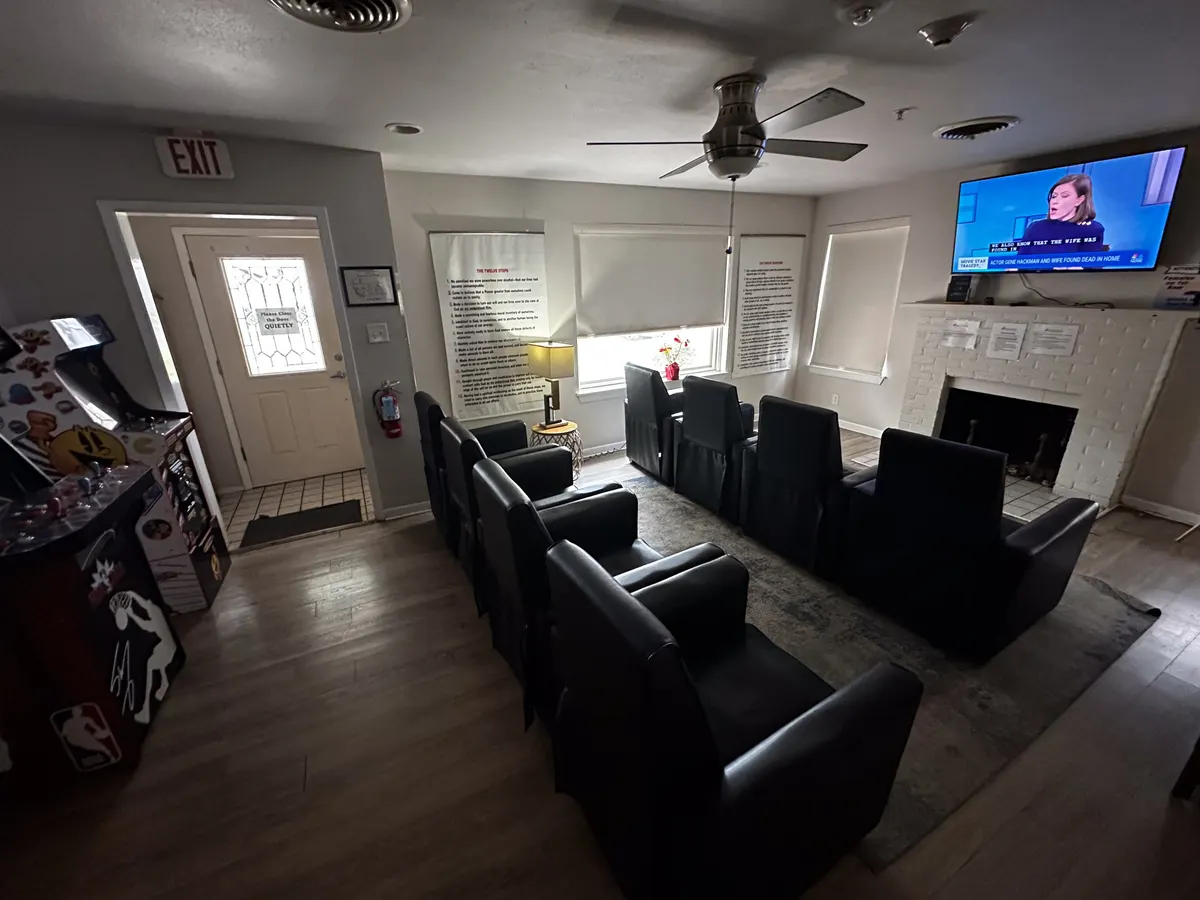
Getting professional help is important. A person cannot always manage withdrawal or addiction alone. Rehab centers offer safe, structured care. They also address co-occurring disorders and provide lasting support.
Many people delay treatment because they’re afraid or unsure. But the longer someone waits, the harder recovery becomes. Programs offer different levels of care to meet people where they are.
If you notice signs like Remeron withdrawal symptoms, increasing drug use, or mixing medications with alcohol, reach out. Addiction does not go away on its own.
If you or a loved one is struggling, call Nova Recovery Center at (512) 605-2955. We’re here to guide you toward recovery, one step at a time.
Discover More Antidepressant Medications
Everything You Need to Know...
Related Topics or Scroll Down to Continue Reading





Talk to someone today
Ready when you are
Admissions are answered 24 hours a day by a person, not a queue. We will check your benefits for free and tell you what treatment would actually cost.
Free and confidential · No obligation