Treatment
State-Funded Rehab Houston vs. Private Rehab: Why Nova Recovery Center Is Worth the Investment
Excellent 4.6 out of 5 434 Google reviews across our locations



Published July 1, 2025
Reviewed and updated August 21, 2026
The Truth About State-Funded Rehab in Houston
When someone is battling drug or alcohol addiction, the first step is often deciding where to get help. In Houston, many individuals turn to state-funded rehab programs with hopes of receiving treatment at a minimal cost. These programs can provide basic support, but they also come with significant limitations that may hinder long-term recovery.
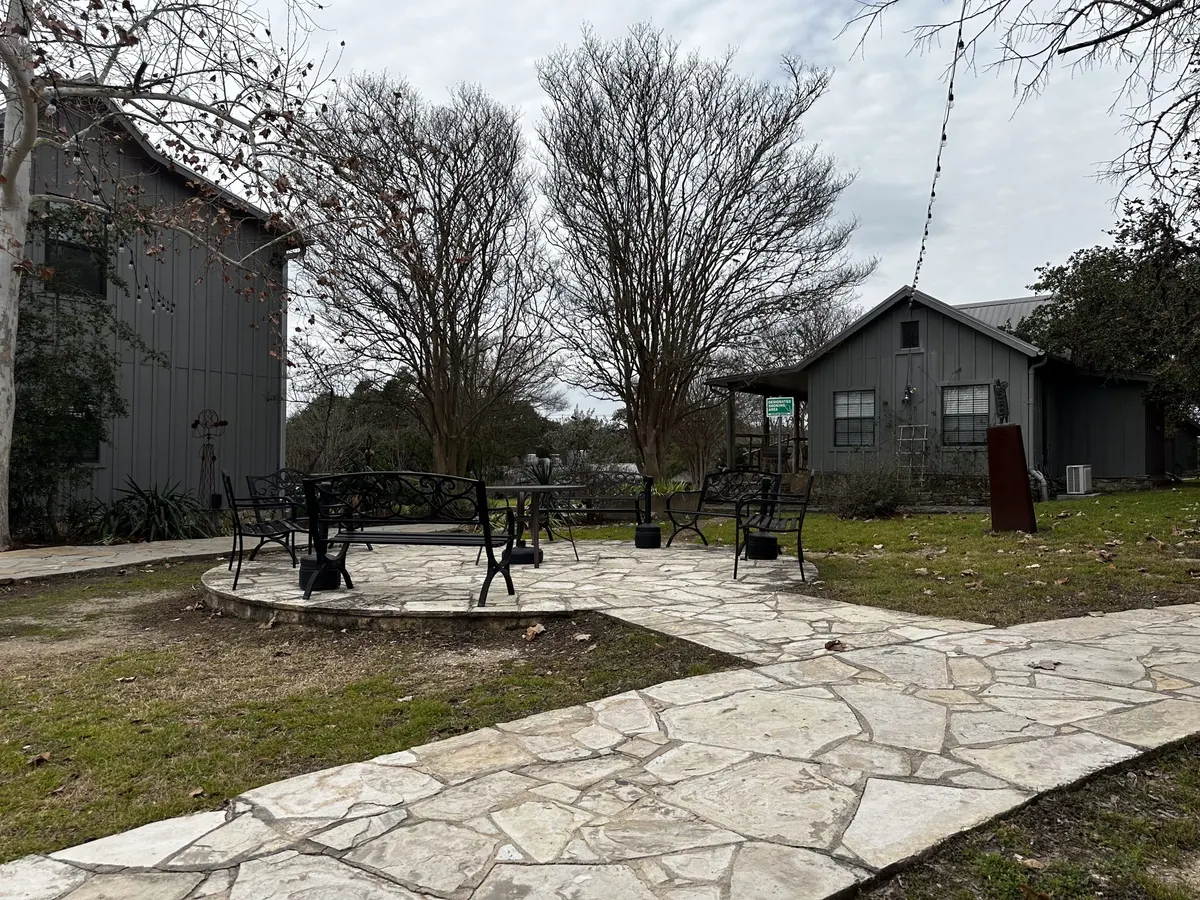
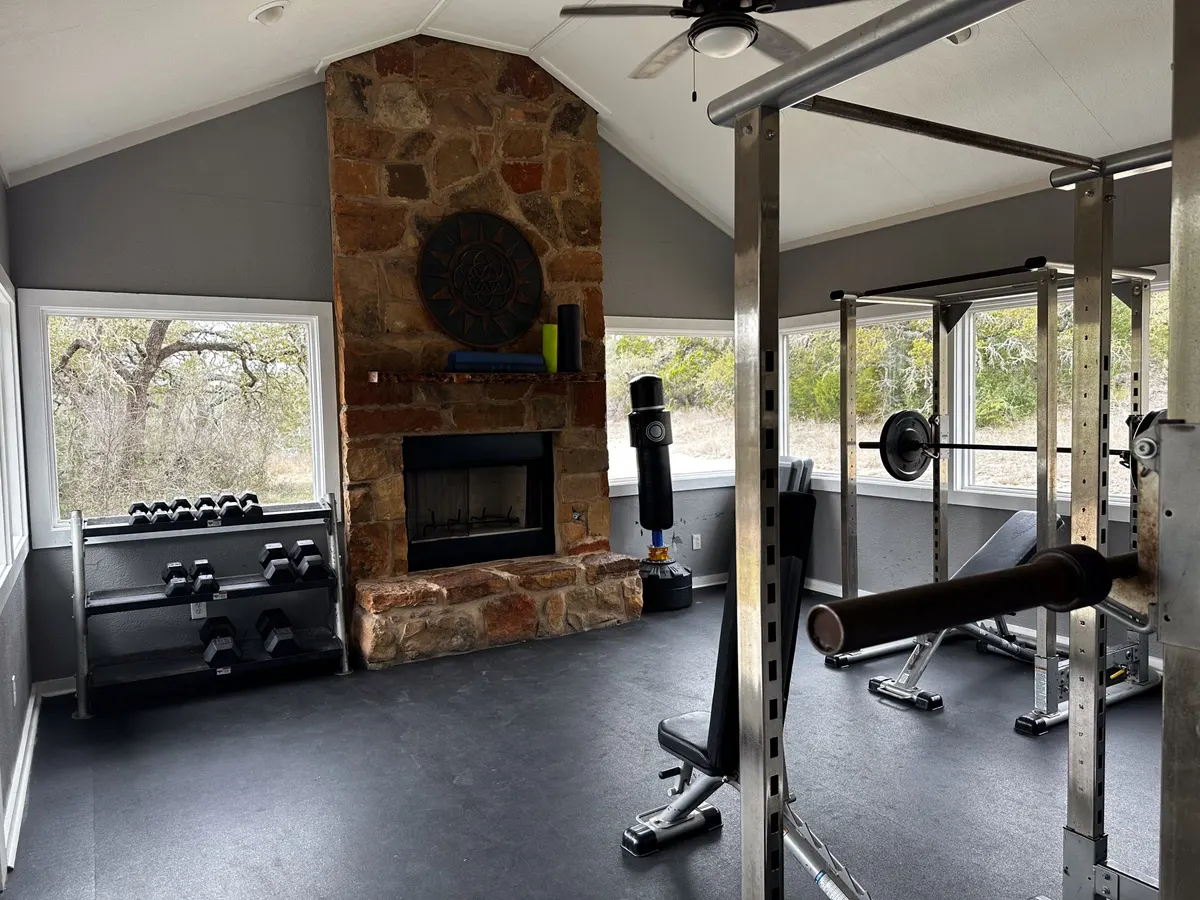
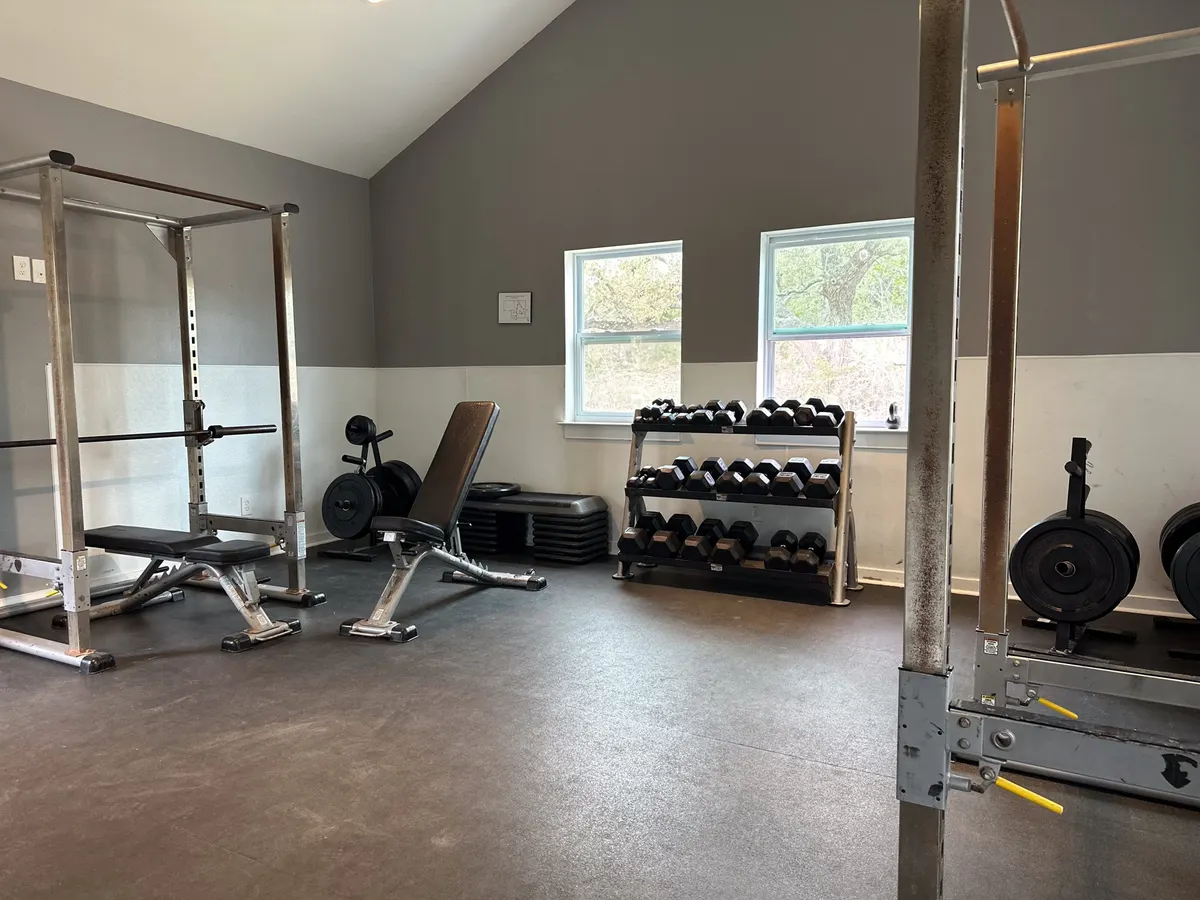
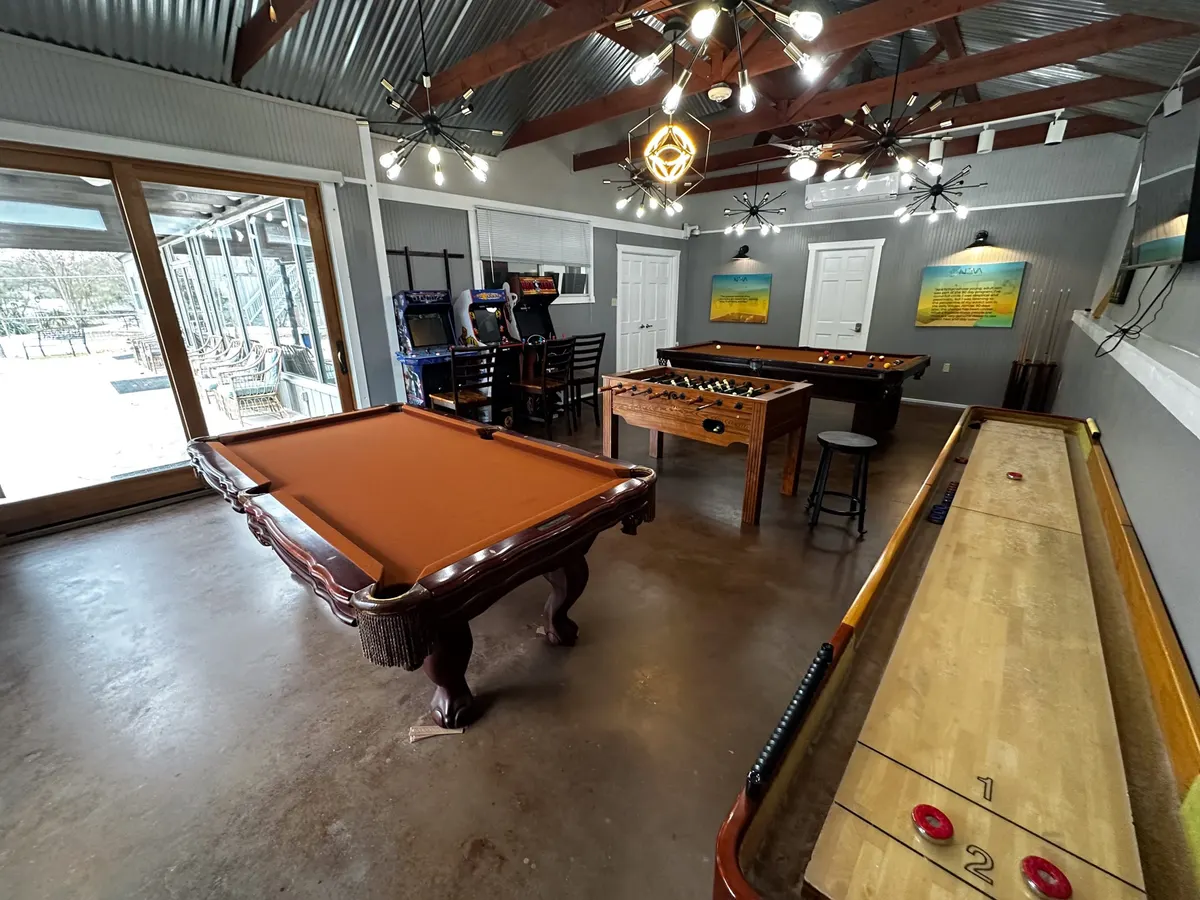
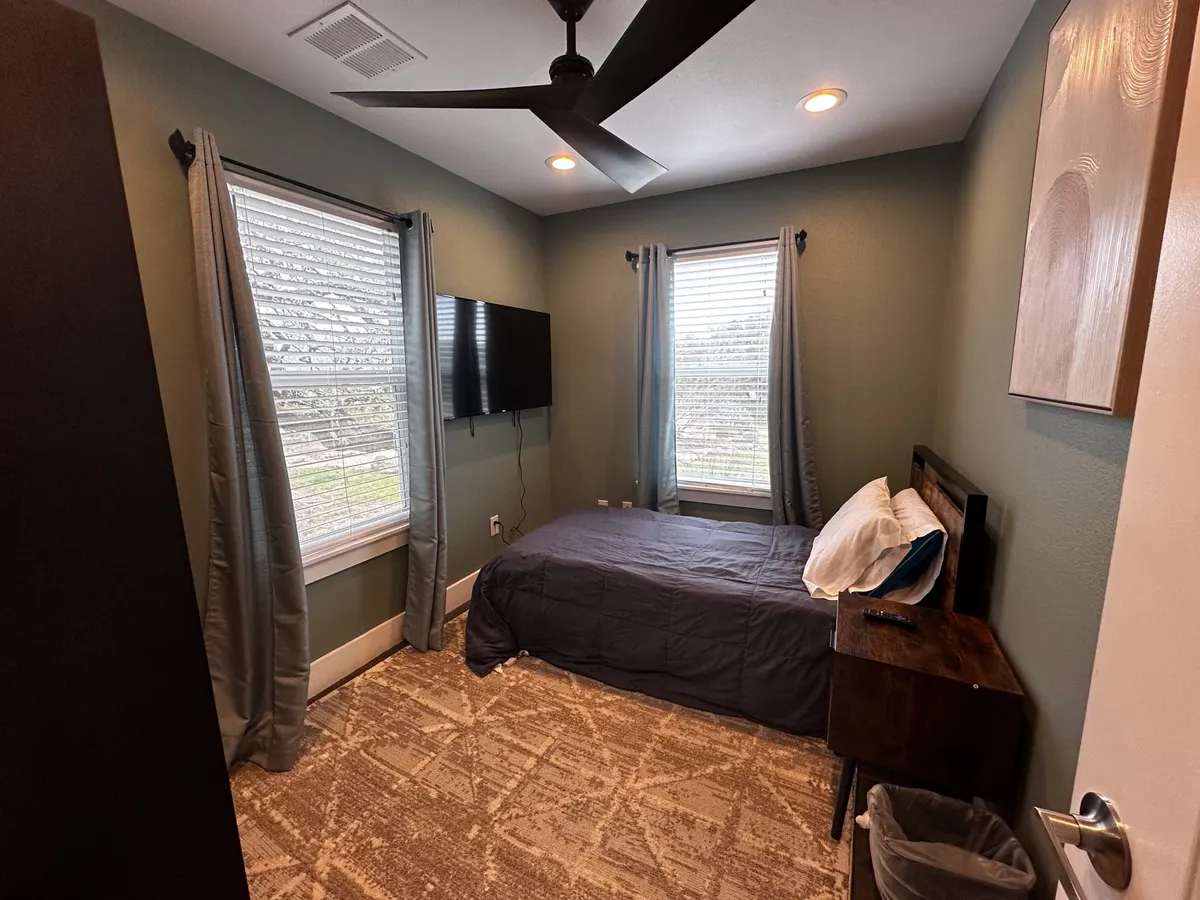

State-funded rehab centers in Houston are often overburdened and under-resourced. Due to limited funding and personnel, these facilities usually cannot provide the individualized attention and comprehensive care necessary for lasting sobriety.
Why Some People Choose State-Funded Rehab Options
Many people seeking addiction treatment inquire about state-funded services due to common concerns such as:
- Financial hardship
- Lack of health insurance
- Misunderstanding the cost of private rehab
- Assumption that premium care is financially out of reach
While these are valid fears, the real cost of choosing a state-funded facility may include delayed treatment, generic care plans, and limited follow-up support, all of which can increase the chances of relapse and long-term struggle with addiction.
Freedom Starts Here. Take Back Your Life Today.
Same-Day Admissions in Houston Available.
The Limitations of State-Funded Rehab in Houston
Texas state-funded rehab programs are under immense pressure. According to a 2022 SAMHSA report, most state-funded beds in Texas operate at or above 90% capacity. This puts patients at risk of waiting weeks or even months for admission.
Key limitations include:
- Extended waitlists and intake bottlenecks
- Low staff-to-patient ratios
- Generic, one-size-fits-all therapy models
- Minimal post-rehab support
- Shorter treatment durations focused on crisis stabilization more than recovery
These systemic issues can drastically diminish the chance of achieving long-term sobriety. Waiting too long for help can cost someone their physical health, or their life.
Nova Recovery Center: A Powerful Alternative
Nova Recovery Center in Houston offers a level of care and attention that state-funded rehab centers simply cannot match. Our approach is rooted in evidence-based practices, therapeutic engagement, and holistic healing that nurtures the body, mind, and spirit.
Benefits of choosing Nova Recovery Center:
- Immediate admission with no waiting lists
- Customized treatment plans tailored to individual needs
- 24/7 access to licensed clinical and medical staff
- 90-day residential programs for deeper recovery
- Extensive aftercare and alumni support to minimize relapse
Stat #1: Research has shown that 90-day residential treatment significantly improves recovery outcomes compared to outpatient or shorter programs.
Stat #2: The National Institute on Drug Abuse (NIDA) reports that 40-60% of individuals relapse without appropriate aftercare. Nova’s extensive post-treatment planning helps bridge this gap.
Flexible Payment Options Make Nova Rehab Accessible
Affordability should never be a barrier to quality addiction treatment. While Nova is a private rehab center and not part of the state-funded system, we strive to make care accessible to everyone through:
- Acceptance of most major insurance providers
- Flexible financing and payment plans
- Comprehensive insurance verification assistance
You may be surprised at how much your insurance covers. Our team will guide you every step of the way to ensure you understand your options.
Choosing Nova Recovery Center over a state-funded facility is like choosing a specialized hospital instead of an emergency room. One treats your symptoms temporarily; the other helps you heal completely. Nova is that specialized hospital for substance use treatment and recovery.
Other Outpatient Drug and Alcohol Rehab Locations
-
IOP in Austin →
-
IOP in San Antonio →
-
IOP in Colorado Springs →


Holistic and Long-Term Support That Makes a Difference
Nova Recovery Center sets itself apart with a broad range of services designed to support every stage of the healing process. Unlike state-funded rehab programs that often stop at sobriety, we go further to help you build a life worth living.
Our therapeutic offerings include:
- Cognitive-behavioral therapy (CBT)
- Group and family therapy sessions
- Educational and life-skills workshops
- 12-step program integration
- Relapse prevention strategies
- Dedicated alumni network for lifelong support
This all-encompassing treatment model ensures you’re not only prepared to leave rehab, you’re equipped to thrive outside of it.
Start Empowerment and Healing
Your path to recovery doesn’t have to be filled with obstacles. At Nova Recovery Center in Houston, we are here to support you with personalized care, holistic therapies, and continued support long after you leave. Don’t settle for a waitlist when help is available now.
Call (512) 605-2955 to speak with one of our admissions coordinators or visit our contact page to get started today.
Ready to make a lasting change? Reach out to Nova Recovery Center now to begin your recovery journey.
How Much Does 30-Day Inpatient Rehab Cost Without Insurance in Texas?
If you’re seeking inpatient rehab in Texas without insurance coverage, costs typically range from $6,000 to $30,000 for a 30-day program, depending on the facility’s accreditation, amenities, clinical staff, and location. At Nova Recovery Center’s residential facilities in Austin and Wimberley, Texas, program costs reflect our Joint Commission accreditation, medical-grade detox services, evidence-based therapy (CBT, family dynamics, trauma processing), and 24/7 medical supervision, positioning us in the mid-to-premium range for quality care.
Several factors drive the cost difference:
- Medical oversightPrograms with on-site physicians, nurses, and psychiatrists cost more than those with counselors only.
- Detox servicesMedical detox (especially for opioids, alcohol, benzodiazepines) requires licensed medical staff and monitoring: a significant expense.
- AccreditationJoint Commission and CARF-accredited programs maintain higher standards and staff credentials.
- LocationUrban centers (Austin, Houston, San Antonio) generally cost more than rural areas.
- Program length30-day programs cost less than 60- or 90-day residential stays.
- AmenitiesGyms, therapy horses, private rooms, and specialized tracks (LGBTQ+, gender-specific) increase fees.
What’s Included in Nova Recovery Center’s Inpatient Program?
Our 30-day residential programs in Austin and Wimberley include:
- Medical detox with 24/7 nursing and physician oversight
- Dual-diagnosis treatment (addiction + mental health)
- Individual counseling, group therapy, and family sessions
- Evidence-based modalities: CBT, trauma-informed care, 12-step facilitation
- Daily structure: meals, recreation, educational workshops, peer support
- Discharge planning and aftercare referrals
For a personalized cost estimate and to discuss financing or payment plans, contact Nova Recovery Center at (512) 605-2955.
Can I Get Help Paying Without Insurance?
Many patients assume no insurance means no options. That’s not true. Nova Recovery Center works with uninsured patients through:
- Self-pay sliding scaleWe negotiate rates based on income and ability to pay.
- Payment plansSpread your cost over months. Ask about our flexible arrangements.
- Employer assistance programs (EAP)Even without health insurance, your workplace may fund rehab confidentially.
- Medical loansThird-party lenders offer healthcare-specific financing.
- State-funded alternativesTexas offers SAMHSA-funded or county-based programs; we can refer you.
The bottom line: cost should never prevent you from getting treatment. Call (512) 605-2955 to explore every option.
Related Topics or Scroll Down to Continue Reading





What clients say
Trusted by clients across Texas
4.6 from 434 Google reviews across 9 locations
Across Nova Recovery Center, Briarwood Detox Center and Eudaimonia Recovery Homes
★★★★★
“Nova is far from perfect, and some of the information can be misleading. But if you want to cover the 12 Steps while enjoying good food and a beautiful scenic view, this is the place for you. The…”
10 months ago · Wimberley
★★★★★
“I did 90 days at Nova Recovery 6 years ago. I am still sober today. And living a life I could have never imagined. The people and the program they are running impacted me for a lifetime. Better than…”
2 years ago · Wimberley
★★★★★
“I went to Nova almost 9 months ago and I wouldn’t change it for the world. The staff when I first entered were very nice and welcoming. As a 19 year old that didn’t know what I was getting myself…”
2 years ago · Austin
★★★★★
“Nova Recovery Center has been an invaluable part of my journey to sobriety. The intensive inpatient program, coupled with the unwavering support and guidance from my recovery specialist, Mark Rector…”
2 years ago · Austin


★★★★★
“I had such a positive experience at Nova Recovery in Wimberley! The staff genuinely cares and went above and beyond to support me every step of the way. The peaceful setting made it easier to focus…”
a year ago · Wimberley
★★★★★
“I love Nova so freaking much. Nova has saved my life in more ways than one. I was hopeless and had no solution suffering from this disease. The staff there never gave up on me. I was the worst client…”
2 years ago · Austin
★★★★★
“I know Mark rector is non-binary however it saved my life and it did a good job with CPR and I don't know how aside from staying sober I could ever repay it thank you Mr or Mrs or whatever you're…”
8 months ago · Austin
★★★★★
“It's been a few years since I was a patient at Nova Recovery Center. Recently I have been reflecting on my time there and how incredibly grateful I am for the experience I had. I have been to 7 rehab…”
2 years ago · Austin


Talk to someone today
Ready when you are
Admissions are answered 24 hours a day by a person, not a queue. We will check your benefits for free and tell you what treatment would actually cost.
Free and confidential · No obligation