


















Last Updated on August 11, 2026
Why Residential Rehab Comes at a Higher Price
The cost of inpatient rehab in Texas is higher than other types of addiction treatment because it includes full-time residential care. This level of care provides 24/7 medical supervision, meals, housing, therapy, and structured recovery support. Unlike outpatient treatment, where you return home daily, inpatient care means you live on-site. As a result, this round-the-clock care drives up the cost, but it also increases your access to support and safety.
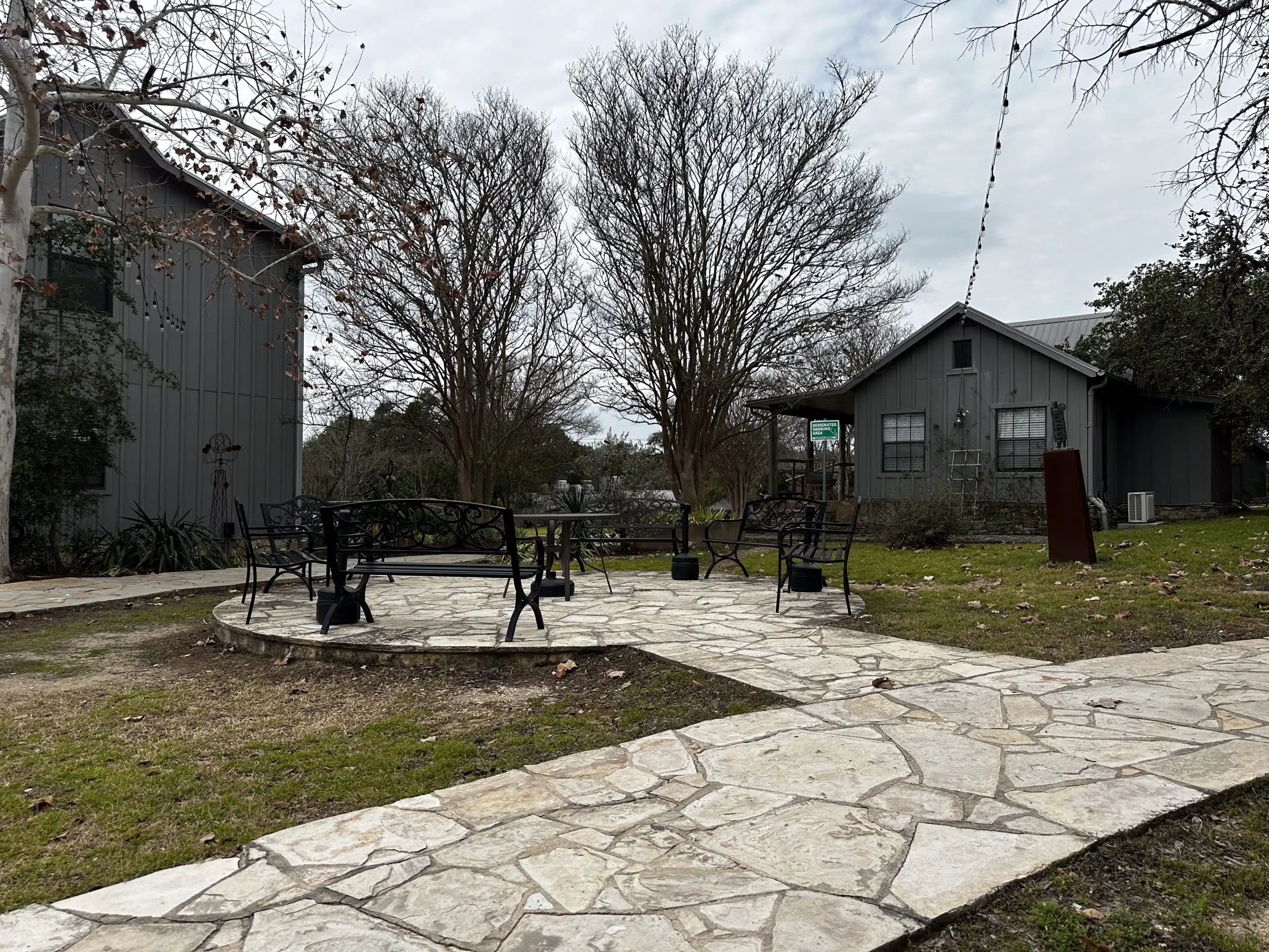


Facilities must hire licensed medical staff, addiction counselors, and support personnel. Additionally, they provide room, board, meals, and daily therapy sessions. These services, while essential, contribute to higher expenses.
What’s Included in Treatment Costs
Your payment includes more than just therapy. It also covers:
24/7 medical supervision
On-site housing
Daily meals and snacks
Group and individual counseling
Case management and discharge planning
Recreational activities and wellness services
Each of these components plays a key role in supporting long-term recovery.
Freedom Starts Here. Take Back Your Life Today.
Same-Day Admissions in Austin Available.
Comparing Program Durations and Costs
30-Day Rehab Programs in Texas
In Texas, a 30-day inpatient rehab program usually costs between $6,000 and $20,000. Facilities on the low end may be state-funded or no-frills centers. In contrast, high-end programs often include private rooms, additional wellness services, and higher staff-to-client ratios.
Extended-Stay Programs: 60 to 90 Days
For longer stays, the cost rises. A 60-day program may run from $12,000 to $40,000. Similarly, a 90-day program can range from $15,000 to $60,000. These costs depend on the type of facility and level of amenities. High-end centers with private accommodations are more expensive. However, basic or state-supported programs stay on the lower end of this range.
Average Daily Rates and How Texas Compares
The average daily cost of inpatient rehab in Texas is around $629. If you multiply that by 30 days, you get about $18,870 for a full month of care. According to Rehabnet.com, the average total cost for residential rehab in Texas is roughly $56,600. This suggests that many individuals complete extended stays (60–90 days).
When compared to other states, Texas ranks 18th in the country for residential rehab costs. That places it in the middle—not the cheapest, but not the most expensive either.
Treatment costs vary by city and level of care. For example, San Antonio addiction treatment through our intensive outpatient program is typically a lower-cost alternative to residential inpatient rehab.
Other Outpatient Drug and Alcohol Rehab Locations
Facility Types and Their Pricing Structures
Luxury Rehab Options
Luxury rehabs offer premium accommodations. These may include private suites, gourmet meals, holistic services, sober living and upscale fitness centers. Because of these amenities, luxury centers can charge $30,000 to $100,000 or more per month. Celebrities and professionals often choose these programs for privacy and comfort.
Standard Private Rehab Centers
These facilities offer effective treatment at moderate prices. Most cost between $5,000 and $20,000 for 30 days. They may include shared rooms and fewer luxury amenities. Nevertheless, the therapeutic care is often equal in quality to high-end centers.
Publicly Funded and Non-Profit Programs
For those with limited resources, Texas has nonprofit and government-funded programs. These offer free or reduced-cost care to qualifying individuals. While you may have to join a waitlist, these programs still provide essential services. The Salvation Army and some community clinics fall into this category.
The Role of Insurance in Managing Expenses
Insurance can significantly lower the cost of inpatient rehab. Most policies cover at least part of the cost. For example, if your plan covers 80%, you may only pay $126 per day instead of $629. If your plan covers 60%, your daily cost drops to about $251.
Always verify benefits with your insurance company or let the rehab center do it for you. Moreover, many rehabs work directly with insurers to reduce your out-of-pocket costs. They can also help you obtain pre-authorizations.
Freedom Starts Here. Take Back Your Life Today.
Same-Day Admissions in Austin Available.
Practical Tips for Affording Residential Rehab
Maximize Your Insurance Benefits
Start by verifying your insurance benefits. Most plans now include behavioral health coverage, thanks to mental health parity laws. Coverage can vary, but many policies pay for a large portion of inpatient treatment.
Inquire About Flexible Payment Plans
Many facilities offer financing options. For instance, some allow monthly payments after discharge. Others partner with medical credit providers. Always ask if the rehab center offers payment flexibility.
Consider Income-Based Sliding Scale Fees
Some rehabs adjust fees based on income. This sliding scale makes care more affordable for low-income clients. You may need to provide income documentation.
Search for Scholarships and Grants
Several organizations offer scholarships for addiction treatment. These can cover part or all of your cost. Additionally, some facilities have scholarship beds reserved for people in need.
Look Into Low-Cost Treatment Options
If private rehab is out of reach, explore non-profit and state-funded options. These often provide free or low-cost care. Contact your local health department or a treatment helpline to learn what’s available.
Use Workplace Support Programs
Some employers offer Employee Assistance Programs (EAPs). These may cover short-term rehab or help you find resources. Therefore, check with your HR department.
Turn to Family or Community for Help
Families often help cover treatment costs. Crowdfunding or community fundraising can also provide support. In many cases, people are willing to help when they understand the need.
Why Making the Investment Is Worthwhile
The cost of inpatient rehab in Texas can feel overwhelming. However, untreated addiction often costs more in the long run—financially, emotionally, and physically. Hospital visits, legal issues, job loss, and damaged relationships add up.
Investing in rehab gives you a chance to rebuild your life. With proper treatment, many people regain stability, find employment, and improve their relationships. As a result, the upfront cost pays off with a healthier, more stable future.
If you’re considering rehab, don’t let the price stop you. Financial help is available. Insurance, payment plans, nonprofit programs, and grants can all reduce your burden. Above all, focus on finding the care you need—your recovery is worth it.
How Much Does Rehab Cost? A Transparent Pricing Guide
One of the most common questions people ask when considering inpatient rehab in Texas is: “How much does rehab cost?” The answer depends on several key factors, including the length of stay, level of care, location, and whether your treatment is covered by insurance.
At Nova Recovery Center, we believe transparent pricing is essential to helping you make the right choice. Below, we break down typical inpatient rehab costs and explain how insurance, payment plans, and other options can make treatment more affordable.
Average Inpatient Rehab Costs in Texas
Inpatient (residential) rehab programs in Texas typically range from $5,000 to $30,000+ per month, depending on the facility, amenities, and treatment intensity. Here’s what influences that range:
- Duration of stay: 30-day programs cost less upfront than 60 or 90-day stays, but longer programs often provide better long-term outcomes.
- Medical detox inclusion: Programs that include medical detoxification are higher cost than those without on-site detox services.
- Facility type: Luxury or premium facilities with private rooms and enhanced amenities cost more than standard clinical environments.
- Location: Urban centers like Austin may have different pricing than rural or smaller markets.
- Specialized therapies: Programs offering trauma therapy, family counseling, or dual-diagnosis treatment typically have higher fees.
Does Insurance Cover Inpatient Rehab?
The good news: most major insurance plans cover at least a portion of inpatient rehab costs. Common coverage includes:
- PPO and HMO plans (Blue Cross, United Healthcare, Cigna, Aetna, etc.)
- Medicare and Medicaid (in Texas)
- Military and Veterans benefits (TRICARE, VA coverage)
- Employee Assistance Programs (EAP)
Insurance typically covers 50–80% of treatment costs, depending on your plan, deductible, and whether the facility is in-network. Nova Recovery Center works with most major insurers and can help verify your coverage before admission.
Payment Options If You Don’t Have Insurance
If you’re uninsured or underinsured, Nova Recovery Center offers several ways to manage costs:
- Payment plans: Flexible financing to spread costs over months or years.
- Self-pay discounts: Reduced rates for upfront or prompt payment.
- Family loans or personal financing: Credit unions and medical loan providers often support addiction treatment.
- State-funded options: Texas has public rehab programs; we can connect you with resources.
What’s Included in Inpatient Rehab Costs?
When you enter inpatient rehab, your program cost typically covers:
- Room and board (private or shared accommodations)
- Medical detoxification (if needed)
- Individual therapy and counseling
- Group therapy and support groups
- Medication management (psychiatric or medical medications)
- Meals and nutritional support
- Recreation and wellness activities
- Discharge planning and aftercare coordination
Not typically included: personal items, phone services, specialty treatments outside the base program, or transportation to the facility.
Why Is Inpatient Rehab an Investment Worth Making?
While inpatient rehab costs money, it’s an investment in your health and future. Research shows that residential programs have higher success rates than outpatient-only treatment, especially for severe addiction or co-occurring mental health disorders. By removing yourself from triggering environments and receiving 24/7 clinical support, you dramatically increase your chances of long-term recovery.
Over a lifetime, addiction costs far more than treatment—in health expenses, lost income, legal fees, and damaged relationships. Rehab costs are often a fraction of what untreated addiction will ultimately cost.
Next Steps: Get a Cost Estimate for Your Situation
The most accurate way to understand how much rehab will cost for you is to speak with our admissions team. We’ll assess your insurance, discuss program options, and provide a transparent cost estimate with no hidden fees.
Call Nova Recovery Center today at (512) 893-6955 for a free, confidential cost consultation. We serve patients in Austin, Wimberley, Houston, San Antonio, and online via telehealth, so help is accessible wherever you are in Texas.