


Last Updated on February 16, 2026
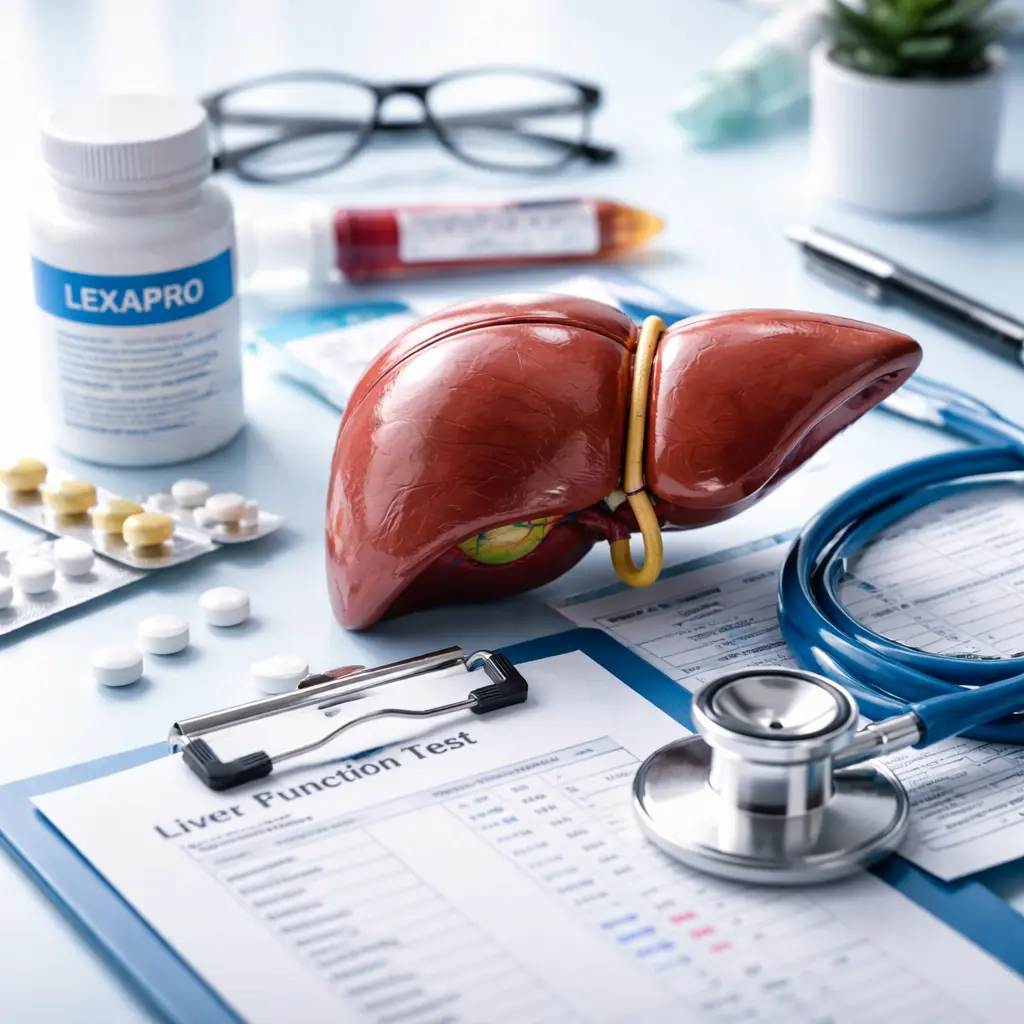
Quick answer: Can Lexapro cause liver damage?
Yes. Lexapro can cause liver damage in rare cases. For most people, Lexapro is not bad for your liver in a way that leads to lasting harm.
What “liver damage” can mean
People use the phrase “liver damage” to describe several different things. Clarifying the terms can reduce fear and help you act fast if needed.
- Liver enzyme elevation: A blood test shows higher ALT or AST, but you may feel normal.
- Clinically apparent liver injury: You have symptoms such as jaundice, dark urine, or belly pain.
- Severe liver injury: This is uncommon, but it can be dangerous and needs urgent medical care.
Can Lexapro cause liver failure?
Liver failure from Lexapro is not expected for most people. When severe liver injury happens, it is treated as a medical emergency. The key is to recognize warning signs early and get evaluated promptly.
What is most common with Lexapro
In practice, Lexapro’s liver effects usually fall into one of these patterns:
- No liver issues: Many people have normal labs and no liver-related symptoms.
- Mild lab changes: Small enzyme changes may show up without symptoms and may resolve.
- Uncommon Lexapro liver toxicity: A small number of people develop drug-induced liver injury (DILI).
If you are worried and want to stop Lexapro, do not quit suddenly. Withdrawal symptoms can be intense. Learn what a safer taper can look like in this guide on Lexapro withdrawal symptoms, risks, and treatment options.
How Lexapro is processed by the liver
The liver helps break down many medicines so your body can clear them. Lexapro is one of those medicines. If your liver is not working well, Lexapro can stay in your system longer.
Why hepatic impairment changes dosing
Hepatic impairment is a broad term. It can refer to chronic hepatitis, cirrhosis, or other conditions that reduce liver function. When clearance slows down, a standard dose can have a stronger effect.
For that reason, prescribers often use lower daily doses in people with liver disease. The FDA label notes that 10 mg per day is the recommended dose for most patients with hepatic impairment. You can review this in the Lexapro prescribing information.
Alcohol is a separate liver risk question
Alcohol also affects the liver, but it is a different risk question from medication metabolism. If you are asking, “Does drinking make Lexapro harder on the liver?” start here: Lexapro and alcohol risks.
What Lexapro-related liver injury can look like
Drug-induced liver injury (DILI) is liver damage caused by a drug or supplement. DILI is usually unpredictable. It is often not related to dose, and it can happen even with correct use.
What research summaries report
NIH’s LiverTox database reports that citalopram and escitalopram have been linked to rare cases of acute, clinically apparent liver injury. LiverTox also notes that liver test abnormalities occur in less than 1% of patients, and they are usually modest. Read the LiverTox summary on citalopram and escitalopram liver injury.
How it may show up
When symptoms occur, they often begin within weeks of starting the medication. People may notice fatigue, nausea, belly pain, dark urine, or yellowing of the skin or eyes.
Clinicians may describe two common lab patterns:
- Cell-injury pattern: ALT and AST rise more than other tests.
- Bile-flow pattern: Bilirubin and alkaline phosphatase rise more than other tests.
How doctors evaluate suspected Lexapro-related liver injury
If a clinician suspects DILI, they usually take a step-by-step approach. The goal is to protect you while also checking for other common causes.
- Review timing: They compare symptom onset to when Lexapro started or changed.
- Check labs: They may repeat liver tests and look at the overall pattern.
- Rule out other causes: Viral hepatitis, gallbladder issues, and alcohol-related injury can look similar.
- Review other exposures: Supplements and new medicines can matter as much as prescriptions.
This evaluation helps a prescriber decide whether Lexapro should be paused, stopped, or continued with monitoring.
Warning signs that need medical attention
Liver injury symptoms can overlap with viral hepatitis, gallbladder disease, or alcohol-related liver disease. That is why it helps to watch for a cluster of signs, not just one vague symptom.
MedlinePlus lists symptoms of drug-induced liver injury that include jaundice, dark urine, itching, abdominal pain, nausea, vomiting, fatigue, and loss of appetite. See the MedlinePlus drug-induced liver injury overview.
Red-flag symptoms
Contact a clinician right away if you develop these symptoms after starting Lexapro or after a dose increase:
- Yellow skin or eyes (jaundice).
- Dark urine or pale, clay-colored stools.
- New right-upper-belly pain.
- Severe nausea or repeated vomiting.
- Intense itching with no clear trigger.
- Extreme fatigue that is new for you.
What to do while you are waiting for care
- Do not take extra doses. Taking more will not fix symptoms and may increase risk.
- Avoid alcohol. It can make liver inflammation worse and can cloud the picture.
- Write down your timeline. Note when Lexapro started, dose changes, and symptom onset.
- List other products. Include supplements, acetaminophen, and any new prescriptions.
If symptoms are severe, you feel confused, or you cannot stay hydrated, seek urgent care.
Who should be extra cautious about liver health on Lexapro?
People often ask, “Is Lexapro hard on the liver?” The honest answer is that it depends on the person and the full health picture.
Higher-risk situations
Talk with a prescriber before starting or changing Lexapro if any of these apply:
- You have known liver disease, including hepatitis or cirrhosis.
- You have a history of heavy alcohol use or alcohol use disorder.
- You take several medicines that also stress the liver.
- You have had drug-induced liver injury in the past.
- You have symptoms of liver disease, even without a diagnosis.
Other common liver stressors to consider
Sometimes Lexapro gets blamed because it is the newest medication. But other exposures can also raise liver enzymes. A clinician may ask about alcohol intake, viral illness, supplements, and over-the-counter pain relievers.
If you are using multiple products, avoid changing everything at once without guidance. Changing too many variables can make it harder to find the true cause.
When alcohol withdrawal needs medical support
If you drink heavily and want to stop, do not try to white-knuckle withdrawal at home. Alcohol withdrawal can be risky. Medically supervised care can help you stabilize safely. Nova offers Austin detox to support safe withdrawal and early recovery.
Steps to protect your liver while taking Lexapro
If you have liver disease, or you are simply trying to be cautious, a few habits can lower risk and reduce anxiety.
Simple protective steps
- Share your full history. Tell your prescriber about hepatitis, fatty liver, cirrhosis, or past abnormal labs.
- List every substance. Include alcohol, supplements, and over-the-counter pain relievers.
- Follow the dosing plan. Avoid doubling doses or skipping doses to “make up” for a missed pill.
- Watch the early window. Many reported cases begin within the first several weeks after starting.
- Report red flags early. Jaundice, dark urine, and severe nausea should not be ignored.
Questions worth asking your prescriber
- Do I need baseline liver tests before I start or increase my dose?
- What symptoms should trigger a same-day call?
- If my liver tests rise, what is the next step for evaluation?
- How will we manage Lexapro if I also need other medications?
If substance use is part of the picture
Medication safety is easier when sleep, nutrition, and routines are stable. For many people, alcohol or drugs disrupt those basics. That can make side effects feel worse and follow-up care harder.
If you need more structure, Nova’s Austin residential inpatient rehab program supports people who need a higher level of care for recovery and stability.
When liver health concerns connect to recovery
Sometimes a “does Lexapro cause liver damage” search is really about a bigger worry. You might be trying to protect your liver while also dealing with alcohol or drug use, anxiety, or depression.
If you need a place to reset safely, inpatient care can provide time, support, and medical structure. Nova’s Wimberley inpatient rehab program offers comprehensive treatment in a setting designed for recovery.
No matter where you start, the safest move is the same. Bring your medication list, liver history, and substance use into one honest conversation with a qualified clinician.


