









What Is Polysubstance Use?
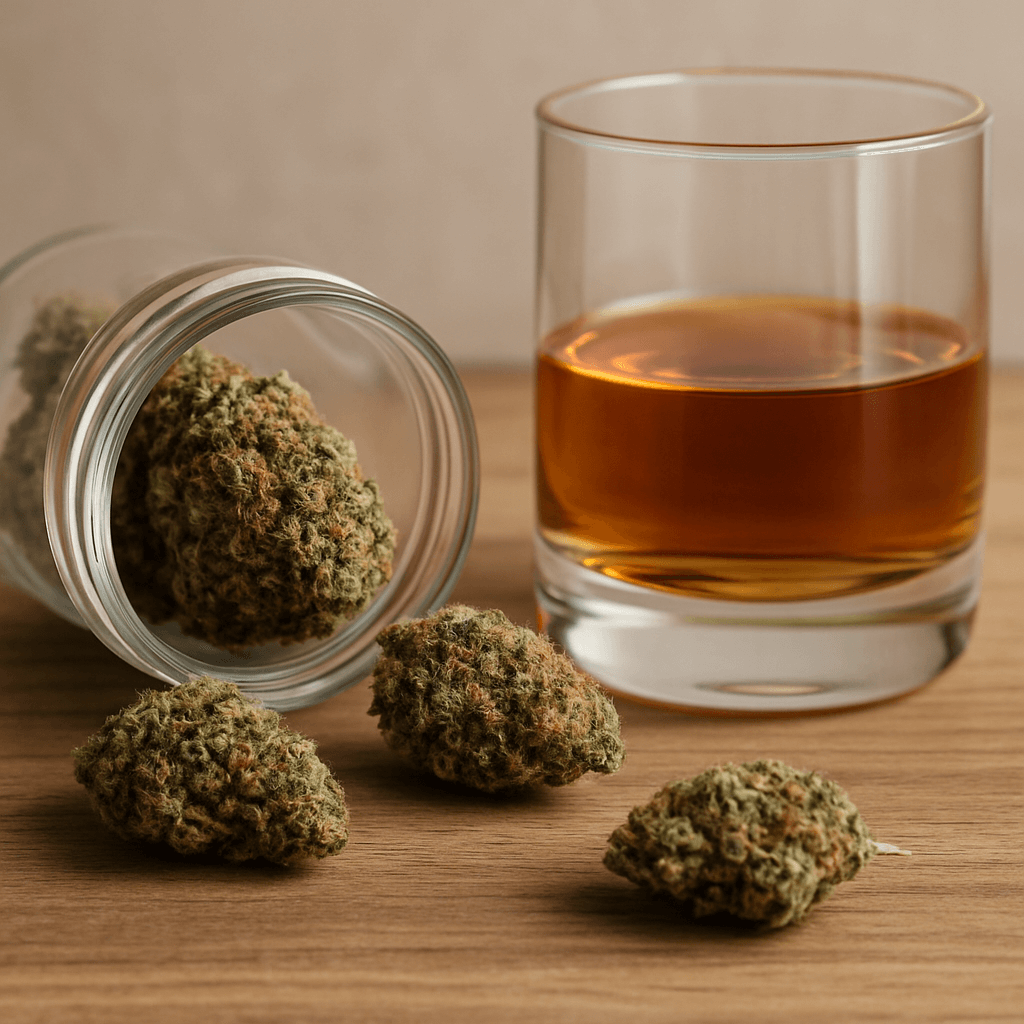
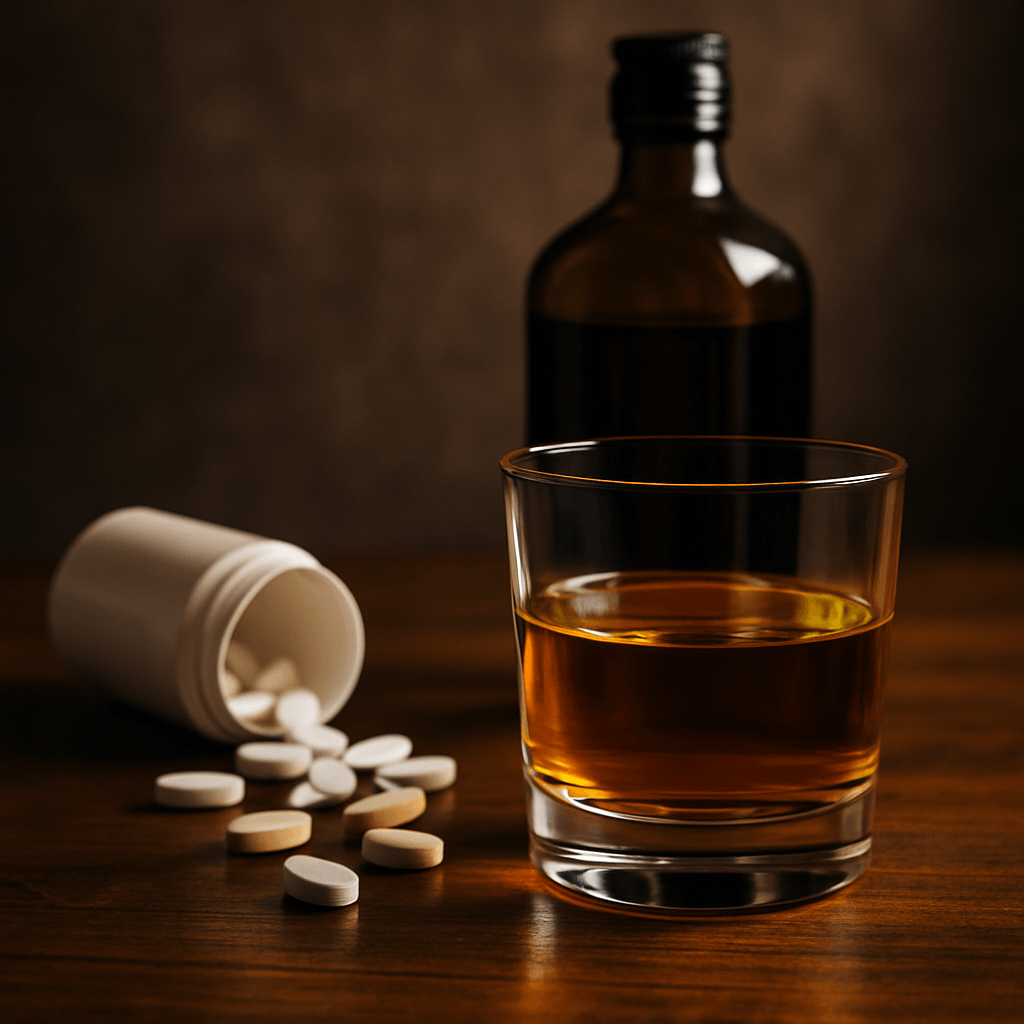
Polysubstance use means using more than one psychoactive substance in the same general time frame. That might look like drinking while taking prescription pain medication, combining opioids and benzodiazepines, or rotating different drugs and medications across a weekend to chase or control various effects.
Public health agencies describe polysubstance use as taking two or more substances together or within a short window of time, whether on purpose or by accident. The Centers for Disease Control and Prevention (CDC) notes that this pattern is common and involved in a large share of recent overdose deaths. CDC materials on polysubstance use and overdose risk emphasize that mixing drugs is never truly safe.
You may see several related terms, each highlighting a slightly different angle:
- Poly drugs / polydrug use – informal phrases for using more than one drug in a single period or session.
- Polysubstance use – a broad term for any ongoing pattern of mixing substances, whether legal, illegal, or prescribed.
- Polysubstance dependence – an older diagnostic label describing dependence on several different types of substances, rather than one preferred drug.
- Polysubstance addiction or polysubstance use disorder – everyday clinical language for a pattern of mixed substance use that causes significant harm in daily life. You may also see this written as poly substance use disorder.
Modern diagnostic manuals focus on specific substance use disorders (like opioid or alcohol use disorder) rather than a stand‑alone polysubstance diagnosis. Even so, clinicians still talk about polysubstance use disorder when someone depends on several drugs at the same time and experiences withdrawal or cravings if they stop.
Polysubstance Addiction and Mental Health
Addiction and mental health rarely exist in isolation. Many people living with depression, anxiety, bipolar disorder, post‑traumatic stress disorder (PTSD), ADHD, or other mental health conditions also live with a substance use disorder. The National Institute of Mental Health explains that substance use disorders and mental illnesses frequently occur together, and that each condition can make the other harder to treat.
Polysubstance use can deepen this connection. Someone might use a stimulant to push through exhaustion and then take a sedative to calm down. Another person may mix alcohol with anti‑anxiety medication to “take the edge off” or combine several drugs to escape painful memories. Over time, the brain adapts to multiple substances, and this mix becomes the new normal.
How polysubstance use interacts with mental health
- Self‑medication becomes a cycle. Substances may briefly numb anxiety, sadness, or intrusive memories, but the rebound often intensifies these symptoms.
- Different drugs create overlapping side effects. One substance might cause agitation, another insomnia, and another emotional flatness. Together, they can produce extreme mood swings or confusion.
- Withdrawal from several substances at once is destabilizing. Coming off alcohol, benzodiazepines, opioids, or stimulants simultaneously can trigger severe anxiety, depression, or paranoia.
- Suicide risk and accidental overdose can increase. When intense emotional pain meets access to multiple drugs, the danger of intentional or unintentional self‑harm rises.
Because symptoms of mental illness and polysubstance use overlap, it is easy to miss part of the picture. Someone might be treated for depression while active polysubstance abuse goes unaddressed, or vice versa. That is why people with complex poly drugs use often need a full evaluation that looks at both sides at once. Our dedicated programming for co‑occurring disorders (dual diagnosis) is built around this integrated view, treating mental health and substance use together instead of in separate silos.
Recognizing Polysubstance Use Disorder: Signs, Patterns, and Poly Drugs
Polysubstance use disorder does not always look like a single favorite drug. Instead, it may show up as a shifting mix of substances, a pattern of taking “whatever is around,” or using one substance to enhance or offset another.
Common poly‑drug combinations
- Depressant + depressant: Alcohol with opioids or benzodiazepines, which can drastically slow breathing.
- Stimulant + depressant: Cocaine and alcohol; prescription stimulants with opioids or sedatives, taken to feel “balanced” but actually masking intoxication.
- Multiple prescriptions: Painkillers, sleep medications, and anti‑anxiety drugs taken together or at overlapping doses.
- Street drugs plus alcohol or medications: For example, mixing heroin, methamphetamine, or MDMA with alcohol, cough syrups, or pills.
Behavioral and emotional warning signs
- Frequently talking about specific “combos” or chasing a particular blend of effects.
- Using extra drugs to “come down,” “wake up,” or “get level” after heavy use.
- Not being honest about what was taken, or losing track of how many substances were used.
- Rapid mood changes, irritability, or intense energy followed by deep crashes.
- Continuing to mix drugs despite scares, blackouts, or warnings from loved ones or doctors.
Physical and cognitive symptoms
- Blackouts, memory gaps, or confusion about recent events.
- Unsteady walking, slowed speech, or difficulty staying awake.
- Chest pain, rapid heartbeat, or shortness of breath.
- Frequent accidents, injuries, or emergency room visits.
- New or worsening hallucinations, paranoia, or disorganized thinking.
People sometimes call this pattern polysubstance abuse. In clinical settings, terms like polysubstance use disorder emphasize that the problem is a medical condition, not a moral failure. If these signs show up alongside growing depression, anxiety, or thoughts of self‑harm, it’s a strong signal to seek professional help as soon as possible.
Risks, Overdose, and Long‑Term Effects of Polysubstance Use
Mixing substances changes how they act in the body and brain. Two drugs with similar effects can amplify each other, while drugs with opposite effects can hide warning signs until it is too late. For example, stimulants may make a person feel alert even as alcohol or opioids are slowing their breathing.
National overdose data show how serious this is. The CDC reports that in recent years nearly half of drug overdose deaths in the United States involved more than one drug, highlighting how common polysubstance overdoses have become. Polysubstance overdose deaths that combine opioids with stimulants, alcohol, or sedatives continue to rise, especially when fentanyl is involved.
Major health risks of polysubstance dependence
- Overdose and death. Opioids, benzodiazepines, alcohol, and other depressants can slow breathing and heart rate to dangerous levels, especially when combined.
- Respiratory and cardiac problems. Irregular heart rhythms, heart attacks, and strokes become more likely when multiple drugs strain the cardiovascular system.
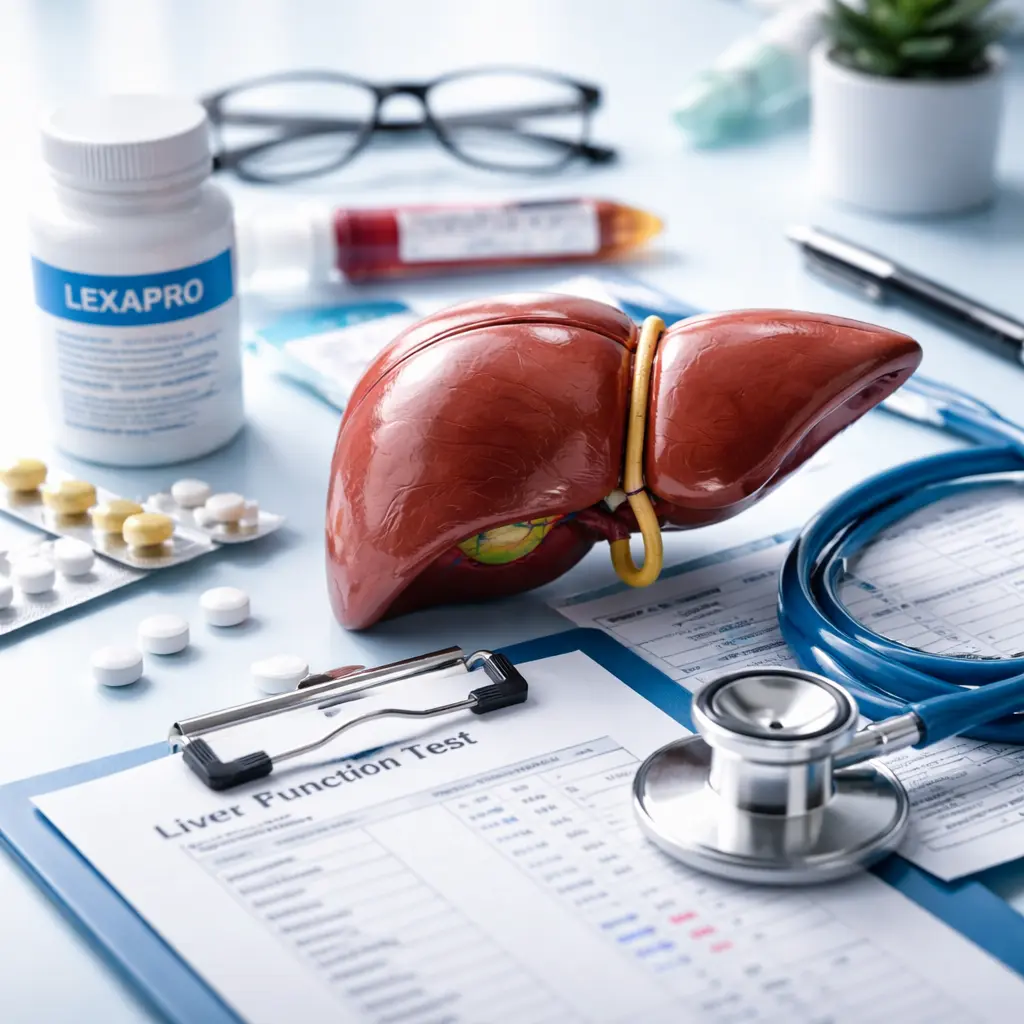
- Infections and organ damage. Injecting or snorting substances, poor nutrition, and chronic intoxication increase the risk of liver disease, kidney problems, and infections.
- Worsening mental health. Repeated cycles of intoxication and withdrawal can intensify depression, anxiety, psychosis, and trauma‑related symptoms.
- Social and functional harm. Legal issues, job loss, financial stress, relationship breakdown, and housing instability often appear as polysubstance use progresses.
Withdrawal from polysubstance addiction can also be complicated. Coming off several substances at once without medical support can trigger seizures, severe mood instability, or dangerous changes in blood pressure and heart rate. For this reason, stopping “cold turkey” at home is rarely recommended, especially when alcohol, benzodiazepines, or large doses of opioids are involved.
If someone is hard to wake up, breathing slowly, making choking sounds, or you suspect an overdose from a mix of substances, call your local emergency number (such as 911 in the U.S.) right away. Quick action can save a life.
Treatment and Recovery for Polysubstance Use Disorder
Polysubstance dependence is serious, but it is treatable. Recovery usually starts with a carefully planned medical approach that addresses each substance, followed by long‑term support for both addiction and mental health. Federal agencies emphasize that coordinated care works best: an AHRQ topic brief on polysubstance use and integrated behavioral health highlights the importance of screening for all substances, managing complex withdrawal, and treating co‑occurring mental health conditions in the same program.
Step 1: Safe withdrawal management
Because mixing substances increases medical risk, many people with polysubstance use disorder begin with supervised detox. A medical team reviews which substances are involved, current medications, and mental health history, then creates a tailored taper or medication plan.
At Nova Recovery Center, our affiliated medical team offers a structured drug and alcohol detox program in Austin that can address withdrawal from more than one substance at a time. Around‑the‑clock monitoring, symptom‑relief medications when appropriate, and emotional support help keep clients safe while their bodies clear the drugs.
Step 2: Inpatient or intensive outpatient rehab
Detox alone does not treat polysubstance addiction. After withdrawal is medically managed, most people need intensive therapy and structured support. For many, that means entering a 30‑ to 90‑day residential program, especially when mental health symptoms, cravings, or home stressors are severe.
Nova’s inpatient drug and alcohol rehab in Austin, TX provides 24/7 structure, peer support, and evidence‑based therapies in a calm, recovery‑focused environment, and clients seeking a quieter, retreat‑like setting can also choose residential treatment in Wimberley, TX. Clients work on the underlying issues driving polysubstance use, such as trauma, grief, or chronic stress, while learning relapse‑prevention and life skills.
For others, an intensive outpatient program (IOP) or step‑down level of care may be appropriate after rehab. In these settings, people attend therapy several days a week while slowly rebuilding work, school, and family routines.
Step 3: Integrated mental health care
- Individual and group therapy. Approaches like cognitive behavioral therapy (CBT), dialectical behavior therapy (DBT), and trauma‑informed care help people understand triggers, change thinking patterns, and build healthier coping skills.
- Medication support. For some clients, medications for opioid, alcohol, or tobacco use disorder, as well as antidepressants or other psychiatric medications, are part of a comprehensive plan.
- Family and peer support. Education, family sessions, and peer recovery groups help rebuild trust and provide accountability after treatment.
Because polysubstance use and mental health problems evolve over time, effective treatment is not a one‑time event. Nova Recovery Center emphasizes long‑term, step‑down care so clients can move from intensive treatment into ongoing support with a clear roadmap rather than facing recovery alone.
Supporting a Loved One and Taking the Next Step
Watching someone you love struggle with polysubstance use disorder can be overwhelming. You may feel scared one moment, angry the next, and unsure how much to help without getting pulled into the chaos.
How to respond when polysubstance use is present
- Start with a calm, specific conversation. Choose a sober moment, describe what you’ve noticed (“I’m worried because you’ve been mixing pills and alcohol”), and share your concern rather than blame.
- Avoid arguing about which drug is “the real problem.” With poly drugs, the pattern matters more than any one substance.
- Encourage professional help. Offer to help schedule an assessment, attend an intake appointment, or call a treatment program together.
- Set healthy boundaries. It is okay to limit financial support, protect your home, or say no to situations that feel unsafe.
If your loved one talks about wanting to die, seems hopeless, or behaves in a way that suggests immediate danger, consider contacting the 988 Suicide & Crisis Lifeline or your local emergency services. If you suspect an overdose or they cannot stay awake, call 911 (or your local emergency number) without delay.
You do not have to navigate this alone. Nova Recovery Center’s admissions team is available 24/7 at (512) 605‑2955 to answer questions confidentially, review treatment options, and help you decide whether detox, inpatient rehab, or intensive outpatient care is the best next step. Reaching out is not a commitment to enroll; it is a way to gather clear information so you can make an informed decision for yourself or someone you care about.
Polysubstance addiction and mental health challenges can feel like a tangled knot, but with integrated care, time, and support, that knot can slowly be undone. Recovery is possible, and it can start with a single conversation.