







Schizophrenia 101: A Brief Overview
Schizophrenia is a long-term brain disorder that changes how a person thinks, feels, and behaves. People may hear voices, see things others do not, or hold fixed beliefs that are clearly untrue to those around them. Many also struggle with low motivation, flat or blunted emotions, and problems with memory or attention, which can make work, school, and relationships difficult.
According to the National Institute of Mental Health, schizophrenia often begins in late adolescence or early adulthood and is considered a serious mental illness, but effective medications and psychosocial treatments can help people live meaningful, independent lives when care is consistent.
- Positive symptoms: hallucinations, delusions, disorganized speech, or disorganized behavior.
- Negative symptoms: social withdrawal, reduced speech, lack of motivation, and limited emotional expression.
- Cognitive symptoms: trouble focusing, processing information, or making decisions.
These symptoms can come and go, but they rarely disappear by willpower alone. Ongoing treatment and support are usually needed—especially when substances are involved.
How Common Is Substance Use in Schizophrenia?
Substance use disorders are much more common in people with schizophrenia than in the general population. Large reviews published through the National Institutes of Health suggest that roughly half of people living with schizophrenia have had a substance use disorder at some point in their lives—at least three times the rate seen in people without the illness.
Other research has found even higher rates of any substance use, especially nicotine, alcohol, cannabis, and stimulants such as cocaine or amphetamines. People may use these substances occasionally, binge on weekends, or develop a full substance use disorder with cravings, withdrawal, and loss of control.
Common patterns include:
- Nicotine: very high smoking rates; many people say cigarettes briefly calm anxiety or boredom.
- Alcohol: used to “take the edge off” paranoia, social discomfort, or insomnia.
- Cannabis: used for relaxation or creativity, but strongly linked with psychosis in vulnerable people.
- Stimulants and other drugs: used for energy, focus, or escape, yet can rapidly worsen symptoms.
This overlap—schizophrenia and substance use at the same time—is often called dual diagnosis or co-occurring disorders. It requires a different treatment approach than treating either condition alone.
Why Schizophrenia and Substance Use Feed Into Each Other
Schizophrenia and substance use rarely appear by chance. They interact in several powerful ways:
- Self-medication: Some people drink or use drugs to dull voices, racing thoughts, anxiety, or the emotional pain of isolation. Any relief is short-lived and usually followed by a rebound in symptoms.
- Shared risk factors: Genetics, early brain development, trauma, and chronic stress can increase risk for both schizophrenia and substance use disorders.
- Brain chemistry overlap: Both conditions involve reward, motivation, and impulse-control circuits, particularly dopamine pathways. Substances that act on these circuits may temporarily improve mood yet worsen psychosis over time.
- Social factors: Poverty, unstable housing, stigma, and limited access to care make it harder to stay sober and stay in treatment.
Because of these links, substance use can appear before the first psychotic episode, after schizophrenia is diagnosed, or both. In each scenario, untreated use tends to make the illness more unstable.
How Substance Use Changes the Course of Schizophrenia
For someone living with schizophrenia, alcohol or drug use is not “just partying.” It can sharply worsen the illness and increase medical risk. Studies of people with schizophrenia who misuse substances show higher rates of relapse, hospitalization, homelessness, legal problems, and suicide attempts compared with those who do not use substances.
Substance use can also:
- Interfere with antipsychotic medications, either by changing how the body processes the drug or by making it harder to take doses consistently.
- Trigger new psychotic episodes, even after a period of stability.
- Increase impulsive behavior, which may lead to aggression, unsafe sex, or overdose.
- Raise the risk of cardiovascular disease and other physical illnesses that already occur more often in schizophrenia.
When schizophrenia and substance use disorder are both present, treating only one condition usually is not enough. Ignoring either side tends to keep the cycle going.
Can Drug Use Cause Schizophrenia?
Many people search for “schizophrenia from drug use,” especially after a frightening psychotic episode. The science is still evolving, but several clear points have emerged:
- Drugs and alcohol can cause short-term psychosis on their own, even in people who never go on to develop schizophrenia.
- Heavy or early use of some substances can increase the risk of later schizophrenia in vulnerable people.
- Not everyone who uses drugs will develop schizophrenia, even with high levels of use.
Long-term research on cannabis offers one of the clearest examples. Multiple longitudinal studies show that regular cannabis use—especially beginning in the teenage years—is associated with a higher risk of developing psychotic disorders, including schizophrenia, later in life. Most cannabis users do not develop schizophrenia, but for people with a family history or other risk factors, heavy use appears to raise the odds and sometimes leads to an earlier onset of symptoms.
Other substances matter too. Stimulants such as methamphetamine or cocaine, hallucinogens, and some synthetic drugs can trigger intense psychotic states. In a portion of cases, what begins as “substance-induced psychosis” eventually converts to a primary psychotic disorder like schizophrenia or bipolar disorder over several years.
Because it is impossible to know who is especially vulnerable in advance, the safest assumption is that heavy substance use—particularly in adolescence and young adulthood—may significantly increase risk for people who are already biologically or psychologically at risk.
Warning Signs of Schizophrenia and Substance Use Together
Schizophrenia and substance use can mask each other, so early warning signs are easy to miss. It helps to watch for patterns over time rather than single bad days.
Possible signs include:
- Hearing voices, seeing things others do not, or holding strong beliefs that are clearly untrue.
- Pulling away from friends and family, neglecting hygiene, or losing interest in hobbies.
- Rapid mood swings, irritability, or unusual suspiciousness, especially after using drugs or alcohol.
- Needing more of a substance to get the same effect, or using despite major consequences at work, school, or home.
- Taking significant risks to obtain substances, such as illegal activity or unsafe sex.
Seek urgent medical or psychiatric help right away if someone is talking about suicide, seems unable to care for basic needs, is very confused, or is acting aggressively toward themselves or others.
How Integrated Treatment Works at Nova Recovery Center
The most effective care for schizophrenia and substance use treats both conditions at the same time. National guidelines emphasize “integrated treatment,” where one care team addresses mental health, addiction, medication, and recovery supports in a coordinated plan rather than sending people back and forth between separate systems. Resources from the Substance Abuse and Mental Health Services Administration highlight integrated, person-centered care as the standard for co-occurring disorders. At Nova, our dual diagnosis treatment for co-occurring mental health and substance use disorders is designed to coordinate these services in one integrated plan rather than sending people between separate systems.
At Nova Recovery Center, integrated treatment is woven into every level of care. Our team understands how schizophrenia and substance use interact and designs plans that respect both sides of the illness.
Depending on your needs, treatment may include:
- Medical detox and stabilization: For people who need to stop drinking or using drugs safely before deeper work can begin.
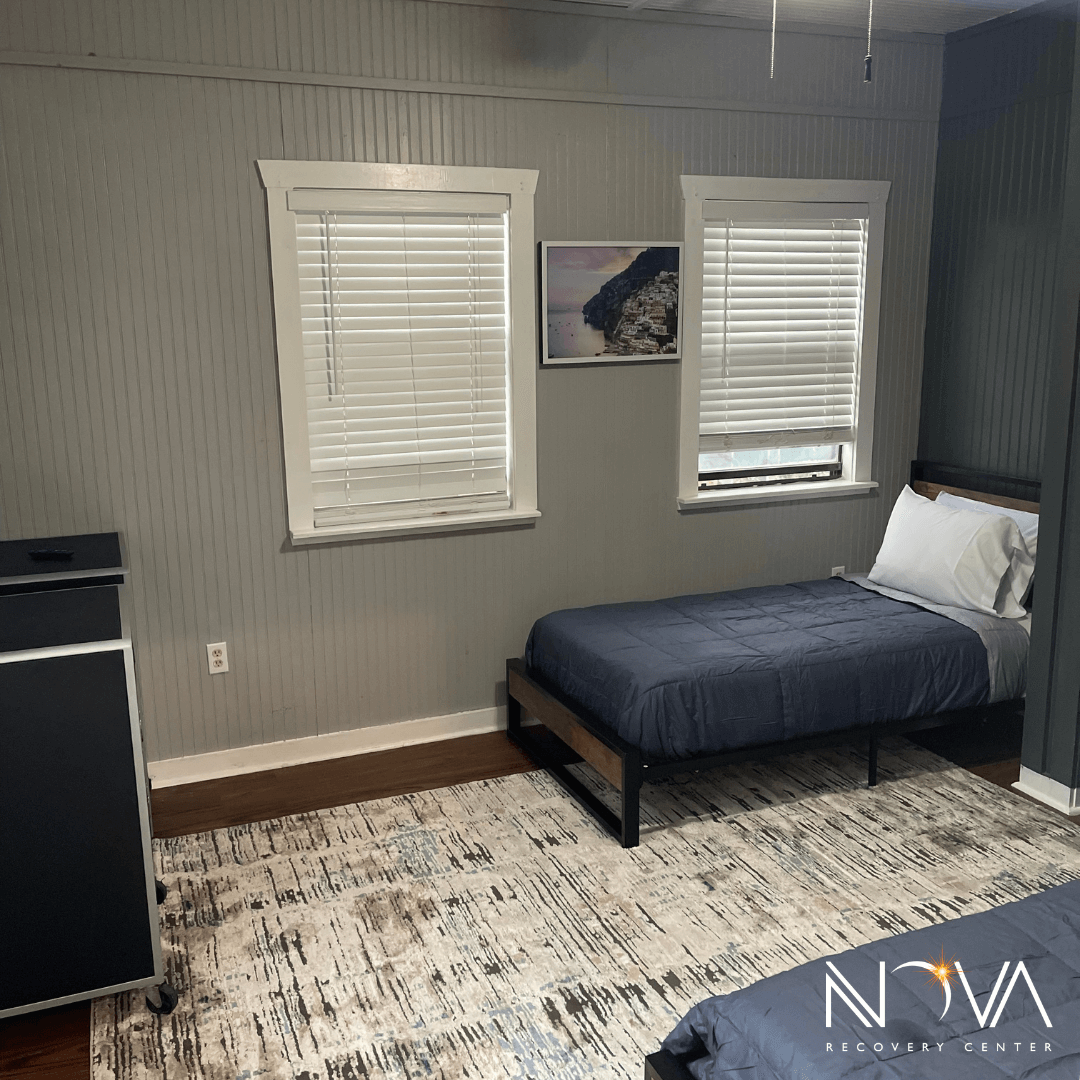
- Residential treatment: Nova’s 90-day residential inpatient rehab program offers 24/7 structure, therapy, and peer support—helpful for people with schizophrenia who need a steady environment while medications and coping skills take hold. Clients in and around Central Texas can access this level of care at our inpatient rehab in Austin, TX.
- Dual-diagnosis care in a healing setting: Our inpatient drug and alcohol rehab in Wimberley, TX treats addiction and schizophrenia spectrum disorders together, using individualized plans, evidence-based therapies, and holistic supports.
- Therapy and skills building: Cognitive behavioral therapy (CBT), dialectical behavior therapy (DBT), psychoeducation, and family work help people understand symptoms, avoid triggers, and manage stress without substances.
- Medication management: Psychiatrists and medical providers review antipsychotic and other medications, watch for side effects, and help coordinate care with outside prescribers when needed.
- Continuum of care: After residential treatment, clients can step down to intensive outpatient programs, sober living, and long-term recovery support so gains made in treatment are protected over time.
Integrated treatment does not erase schizophrenia or addiction overnight, but it gives people the structure, tools, and community they need to move toward a stable, hopeful life.
Taking the Next Step for Yourself or a Loved One
If you are worried about schizophrenia and substance use—whether for yourself, your child, or another loved one—you are not alone, and you are not overreacting. These conditions can be frightening, but they are also treatable. Many people with schizophrenia and substance use disorder rebuild their lives with the right mix of medical care, therapy, community, and time.
Consider talking with a mental health professional or primary care doctor about what you are seeing. Be honest about both substance use and any hallucinations, paranoia, or major mood changes. The more complete the picture, the easier it is to match you with the right level of care.
If there is an immediate safety concern—such as thoughts of self-harm, severe confusion, or aggression—call 911 or your local emergency number. In the United States, you can also reach the 988 Suicide & Crisis Lifeline by calling or texting 988 for real-time support while you arrange further help.
With compassionate, integrated treatment and ongoing recovery support, it is possible to reduce symptoms, cut back or stop substance use, and move toward a more stable future. Reaching out is the first step.