
Addiction
Navigating Alcohol Recovery Options in Austin
Excellent 4.6 out of 5 434 Google reviews across our locations





Published October 29, 2025
Reviewed and updated November 13, 2025
Key Takeaways
Austin offers a full continuum of alcohol rehab: detox, inpatient, PHP/IOP, outpatient, and sober living.
Start at the right level of care. Detox is short-term medical stabilization; most people then “step down.”
Dual-diagnosis treatment is common in Austin. Ask about care for anxiety, depression, or PTSD alongside substance abuse.
Verify accreditation and licensing (e.g., The Joint Commission). It signals safety and quality.
Insurance may cover part or all of treatment. Always confirm in-network status and get benefits in writing.
Programs use evidence-based therapy (CBT/DBT), family work, and relapse-prevention planning.
Specialty options exist, including men-focused and veteran tracks, plus experiential therapies.
Aftercare matters. Alumni groups, outpatient therapy, and sober housing help maintain gains.
If there’s immediate risk, call 911. For confidential referrals, use 1-800-662-HELP (SAMHSA).
A clear plan (matched to your needs, budget, and schedule) improves the odds of long-term recovery in Austin.
Finding alcohol rehab shouldn’t add more stress to an already heavy moment. This guide explains how Austin rehab programs are structured, what services to expect, how payment typically works, and where to find reputable help near you.
Understanding Alcohol Rehab
Alcohol rehab is a structured set of services that help you stop drinking safely, stabilize health, and build skills for long‑term recovery. In Austin, “addiction rehab” programs blend medical care, counseling, peer support, and practical planning. While approaches differ, programs share one goal: reduce harm from substance abuse and support a sustainable life in recovery.






Levels of Care in Austin

Freedom Starts Here. Take Back Your Life Today.
Same-Day Admissions in Austin Available.
How to Choose an Austin Rehab
What to Expect from Intake Through Discharge
Intake & Assessment
You’ll complete a medical and psychosocial assessment to determine the safest level of care and an individualized plan. Programs that advertise a “full continuum” emphasize matching services to need.
Core Therapies
Evidence‑based therapies (CBT, DBT), family work, and relapse‑prevention planning are common. Some providers add experiential options such as equine‑assisted therapy or music‑assisted interventions to build motivation and coping skills.
Medication‑Assisted Treatment (when appropriate)
For some individuals, FDA‑approved medications can reduce cravings or support mental health symptoms within an alcohol rehab plan. Many Austin programs note the availability of medication support as part of comprehensive care.
Family and Aftercare
Family sessions help rebuild communication and set healthy boundaries. Aftercare may include alumni meetings, ongoing therapy, or virtual support to maintain momentum.
Costs, Insurance, and Payment
Insurance often covers some or all of alcohol rehab services; coverage depends on your plan, medical necessity, and the provider’s network status. Many Austin centers invite you to verify benefits and list the insurers they accept; some are in‑network with major carriers, and several specify which Medicaid plans they accept or do not accept. If you’re uninsured, ask about payment plans or state/local resources.
Therapies and Approaches You’ll See in Austin
Cognitive Behavioral Therapy (CBT), Dialectical Behavior Therapy (DBT), and 12‑Step–friendly programming are common building blocks.
Trauma‑informed care appears widely, with attention to past experiences that drive substance use.
Experiential elements such as equine‑assisted therapy or music‑supported interventions may help engagement and skill building.
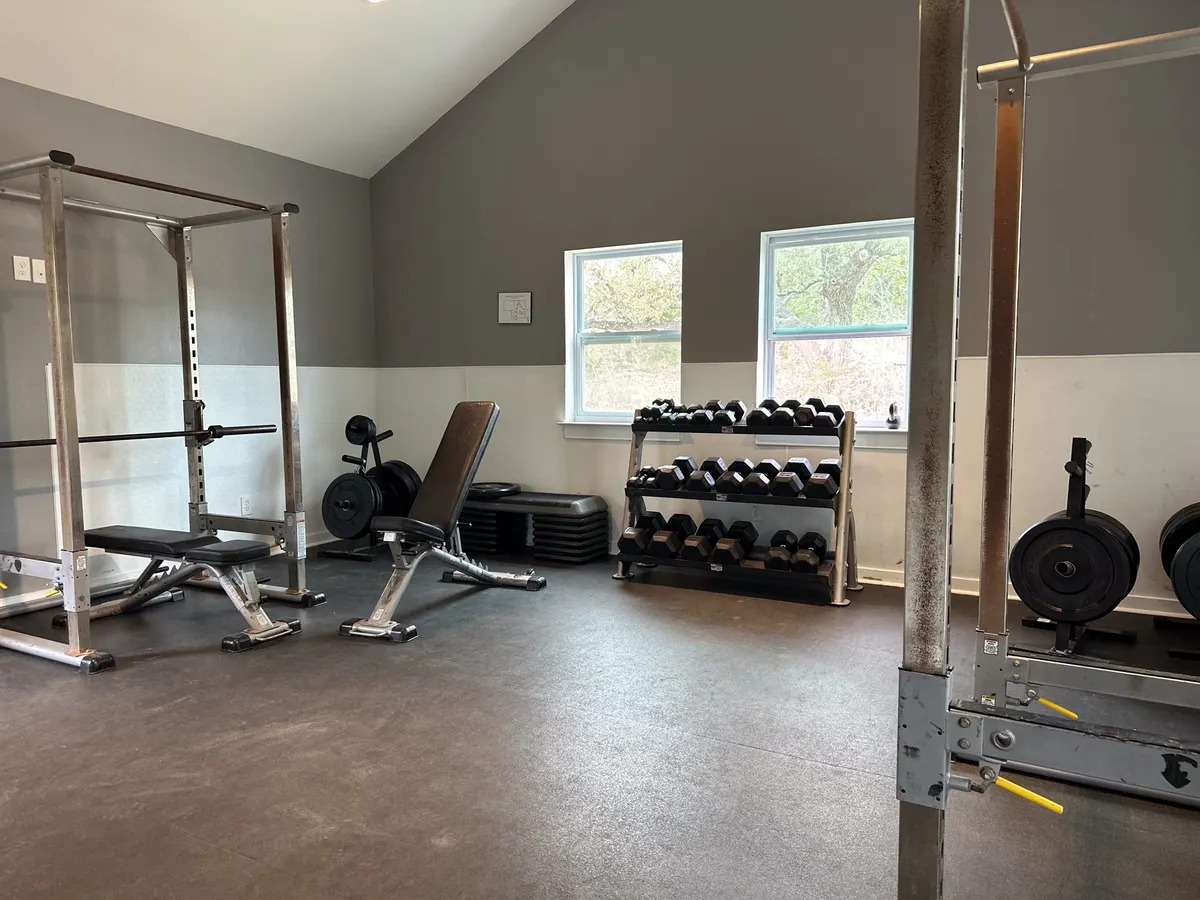
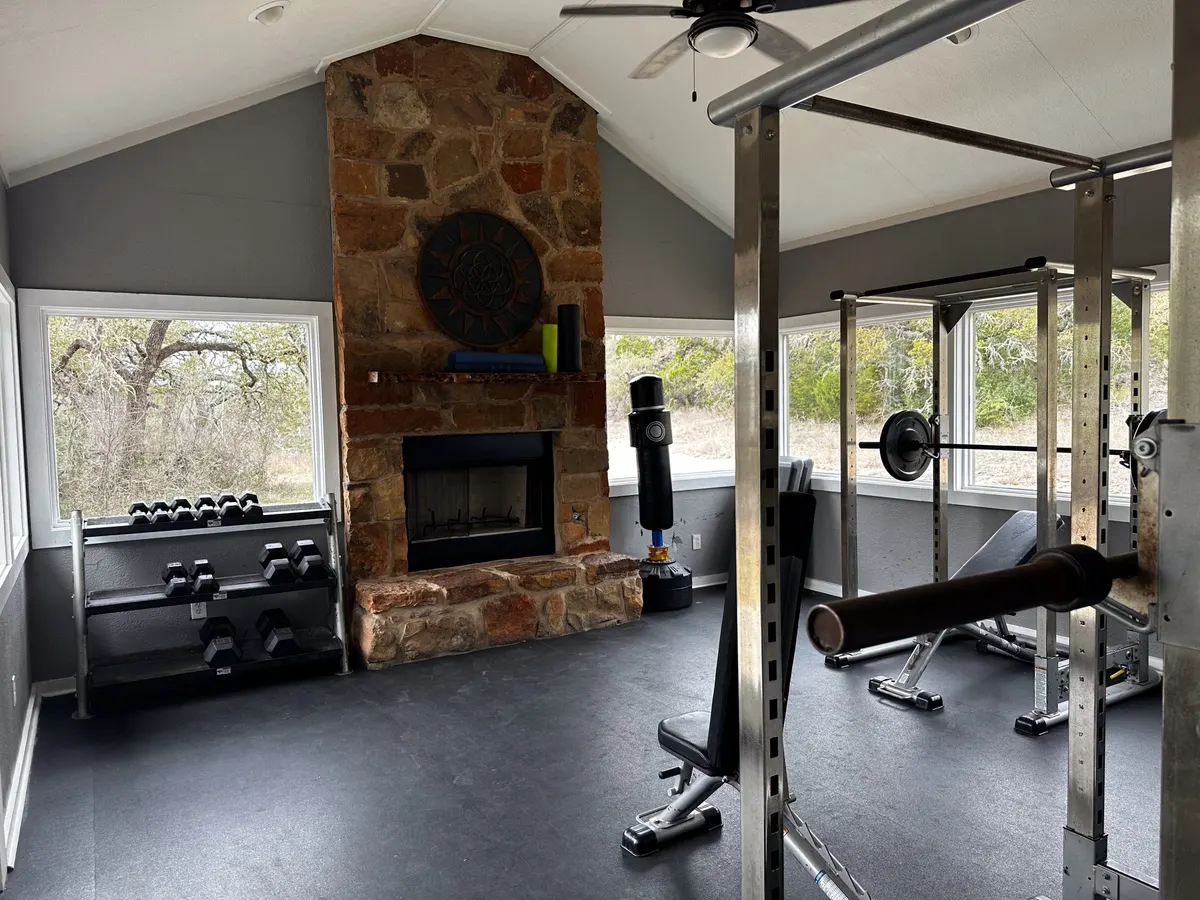
Holistic and wellness activities (yoga, mindfulness, recreation) are frequently used as adjuncts to clinical care.
How Nova Recovery Center Helps with Alcohol Addiction and Abuse
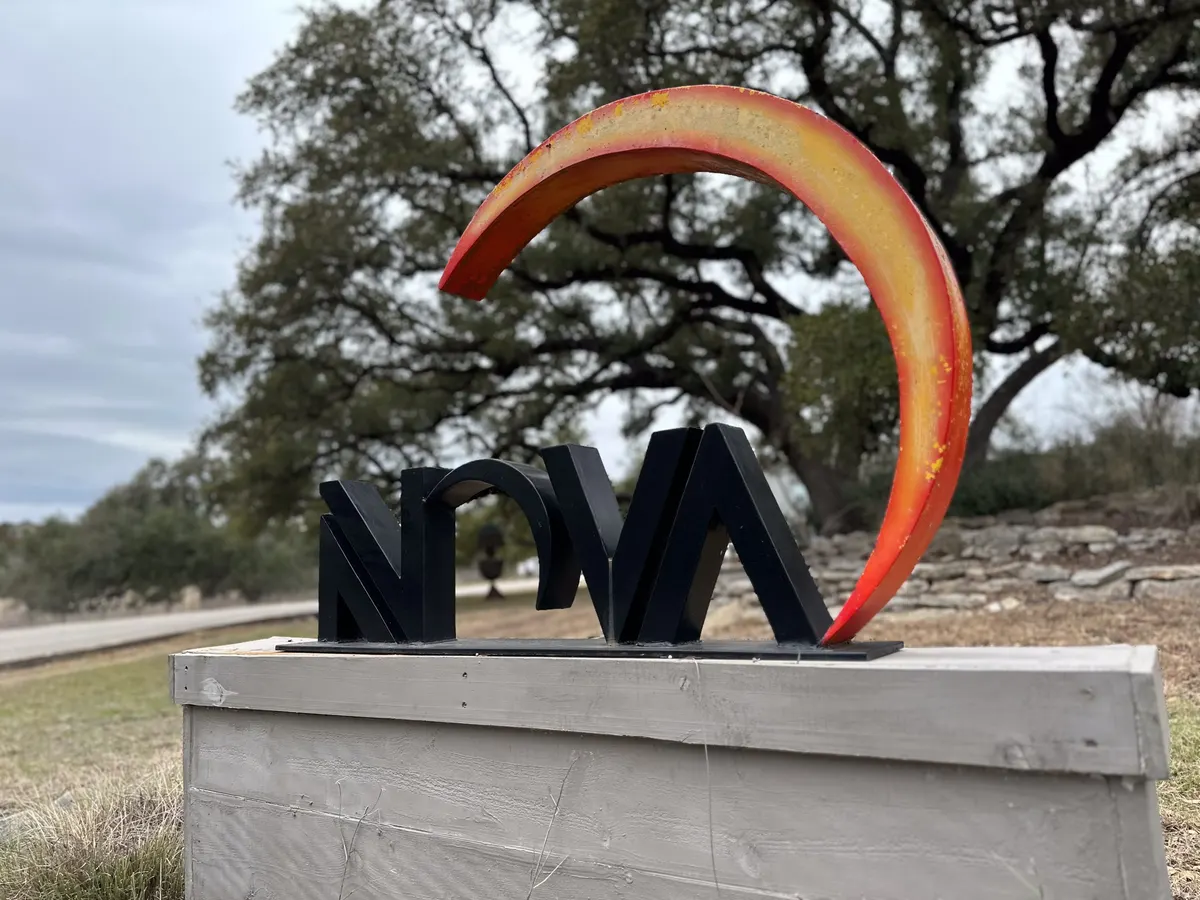
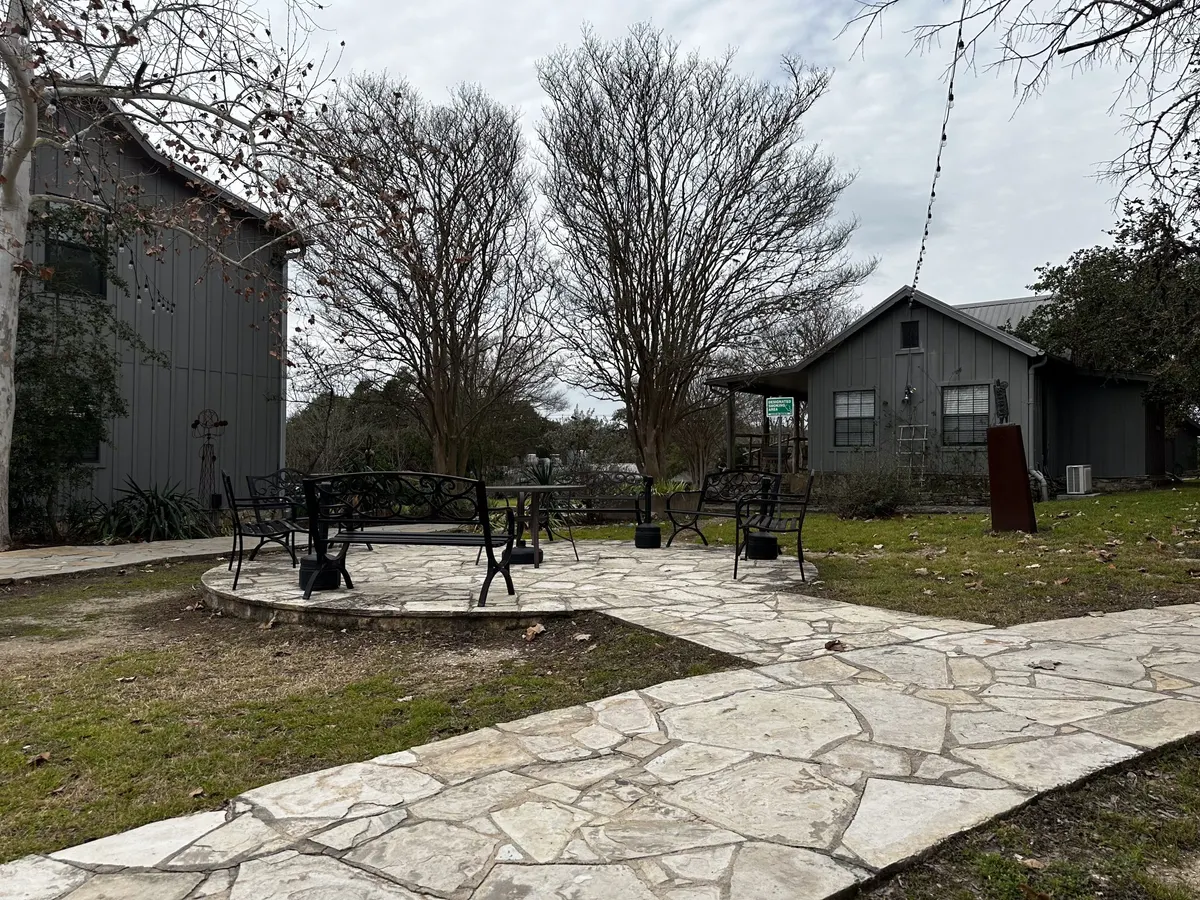
Nova Recovery Center offers a structured path for people dealing with alcohol addiction and abuse in the Austin area. A thorough intake assessment helps match each person to the right starting point, from medical detox with partner providers to residential or intensive outpatient care. Individualized plans use evidence‑based therapies such as cognitive behavioral therapy, motivational interviewing, and relapse‑prevention training. When needed, clinicians coordinate medication support for alcohol use disorder and co‑occurring conditions like anxiety or depression. Family education and counseling help rebuild communication and support at home. Case managers assist with insurance verification, scheduling, and referrals to sober living to reduce practical barriers. Step‑down options, aftercare planning, and alumni groups maintain structure once formal treatment ends. This continuum of care helps clients move from stabilization to daily recovery skills while staying connected to resources in the local community.
Verify Your Insurance Instantly
Don’t guess. Know what’s covered. Click below to verify your insurance coverage with 100% confidentiality and zero obligation.
Medical Disclaimer
The information provided on this page is intended for educational and informational purposes only. It should not replace professional medical advice, diagnosis, or treatment. Any prescription or over-the-counter medication, including those used during alcohol rehab or addiction recovery, should be taken only under the guidance of a licensed healthcare professional. Do not begin, discontinue, or modify any medication or treatment plan without first consulting your doctor. If you experience serious side effects, worsening symptoms, or thoughts of self-harm, call 911 immediately if you are in the United States. For 24-hour confidential mental health support, contact the Suicide & Crisis Lifeline by dialing 988.
Alcohol Rehab in Austin: Frequently Asked Questions
What types of alcohol rehab programs are available in Austin?
Most Austin rehab options follow a continuum of care: medically managed detox, residential (inpatient) rehab, partial hospitalization (PHP), intensive outpatient (IOP), standard outpatient, and aftercare/sober living. The right level depends on clinical need and safety.
How long does alcohol rehab take?
Timeframes vary. Alcohol detox is often several days under medical supervision. Residential programs commonly run several weeks, while IOP/outpatient can extend for months with step‑downs as you improve. Length should match your needs, not a fixed number.
What happens during alcohol detox?
Detox addresses withdrawal and safety. Teams monitor vital signs, manage symptoms, and determine whether medications are appropriate. Detox prepares you to start therapy and skills work in rehab.
Is alcohol withdrawal dangerous?
It can be, which is why medical supervision is important for moderate to severe cases or when risk factors are present. Clinical guidelines outline assessment and management to reduce complications.
What’s the difference between inpatient and outpatient rehab?
Inpatient provides 24/7 structure away from triggers. Outpatient lets you live at home while attending therapy several times per week. Many people move from inpatient to PHP/IOP, then to standard outpatient as symptoms stabilize.
What do PHP and IOP mean in alcohol treatment?
PHP (partial hospitalization) is day‑treatment with many hours of care weekly. IOP delivers several therapy sessions per week while you maintain home or work life. Both are evidence‑informed step‑downs from inpatient care.
Does insurance cover alcohol rehab in Austin?
Coverage depends on your plan, medical necessity, and the program’s network status. Verify benefits with your insurer and the provider before admission; major health systems advise confirming coverage in advance.
How do I choose a quality alcohol rehab program in Austin?
Use the NIAAA Alcohol Treatment Navigator to learn what to ask and how to spot evidence‑based care. Look for nationally recognized accreditation (e.g., The Joint Commission) as a quality signal.
Do Austin rehab centers treat co‑occurring mental health conditions?
Many programs treat alcohol use disorder alongside anxiety, depression, PTSD, or other issues. Integrated care for co‑occurring conditions is common and recommended when needed.
What therapies are used in alcohol rehab?
Programs often use cognitive‑behavioral and other evidence‑based therapies, family involvement, relapse‑prevention planning, and when appropriate, medication support for alcohol use disorder. Major medical sources outline these approaches.
What support is available after rehab?
Aftercare may include ongoing outpatient therapy, peer support, alumni groups, and sober housing. Continuing care is a core part of the continuum to help maintain gains.
Where can I find local alcohol treatment options today?
Use FindTreatment.gov to see nearby programs, filter by level of care, and view contact details. It’s an official SAMHSA locator.
What clients say
Trusted by clients across Texas
4.6 from 434 Google reviews across 9 locations
Across Nova Recovery Center, Briarwood Detox Center and Eudaimonia Recovery Homes
★★★★★
“Nova is far from perfect, and some of the information can be misleading. But if you want to cover the 12 Steps while enjoying good food and a beautiful scenic view, this is the place for you. The…”
10 months ago · Wimberley
★★★★★
“I did 90 days at Nova Recovery 6 years ago. I am still sober today. And living a life I could have never imagined. The people and the program they are running impacted me for a lifetime. Better than…”
2 years ago · Wimberley
★★★★★
“I went to Nova almost 9 months ago and I wouldn’t change it for the world. The staff when I first entered were very nice and welcoming. As a 19 year old that didn’t know what I was getting myself…”
2 years ago · Austin
★★★★★
“Nova Recovery Center has been an invaluable part of my journey to sobriety. The intensive inpatient program, coupled with the unwavering support and guidance from my recovery specialist, Mark Rector…”
2 years ago · Austin


★★★★★
“I had such a positive experience at Nova Recovery in Wimberley! The staff genuinely cares and went above and beyond to support me every step of the way. The peaceful setting made it easier to focus…”
a year ago · Wimberley
★★★★★
“I love Nova so freaking much. Nova has saved my life in more ways than one. I was hopeless and had no solution suffering from this disease. The staff there never gave up on me. I was the worst client…”
2 years ago · Austin
★★★★★
“I know Mark rector is non-binary however it saved my life and it did a good job with CPR and I don't know how aside from staying sober I could ever repay it thank you Mr or Mrs or whatever you're…”
8 months ago · Austin
★★★★★
“It's been a few years since I was a patient at Nova Recovery Center. Recently I have been reflecting on my time there and how incredibly grateful I am for the experience I had. I have been to 7 rehab…”
2 years ago · Austin


Talk to someone today
Ready when you are
Admissions are answered 24 hours a day by a person, not a queue. We will check your benefits for free and tell you what treatment would actually cost.
Free and confidential · No obligation