
Addiction
Outpatient Alcohol Care in Austin: PHP & IOP Explained
Excellent 4.6 out of 5 434 Google reviews across our locations





Published October 30, 2025
Reviewed and updated October 29, 2025
Key Takeaways
Outpatient alcohol care in Austin offers structured treatment without an overnight stay, typically through PHP, IOP, and some virtual tracks.
It works best for people with stable housing and support who do not need medically supervised detox; otherwise, inpatient care may be safer.
Typical time commitment: IOP runs about 3 hours per session, 3–5 days a week for 6–12 weeks; PHP meets more hours on weekdays.
Programs blend individual and group therapy with education; common methods include CBT, DBT, and trauma‑informed care.
Medication management can be added to reduce cravings and support sobriety.
Family involvement and aftercare, alumni groups and community meetings, help sustain progress after discharge.
Day and evening schedules let many people keep working or attending school while in treatment.
Outpatient care generally costs less than residential rehab; many centers accept insurance and may offer payment plans: verify benefits early.
When comparing options, ask about level of care, schedule, therapies for co‑occurring issues, outcomes, and aftercare; avoid programs that cannot answer these questions clearly.
A confidential assessment is the best first step to match the right level of care and set a plan you can keep.
Finding help for alcohol use does not always mean moving into a facility. In Austin, many people enter outpatient rehab so they can keep working, parenting, and living at home while they receive treatment. This guide explains how outpatient alcohol rehab works locally, who it is for, what to expect each week, and how to choose a program that fits your needs.





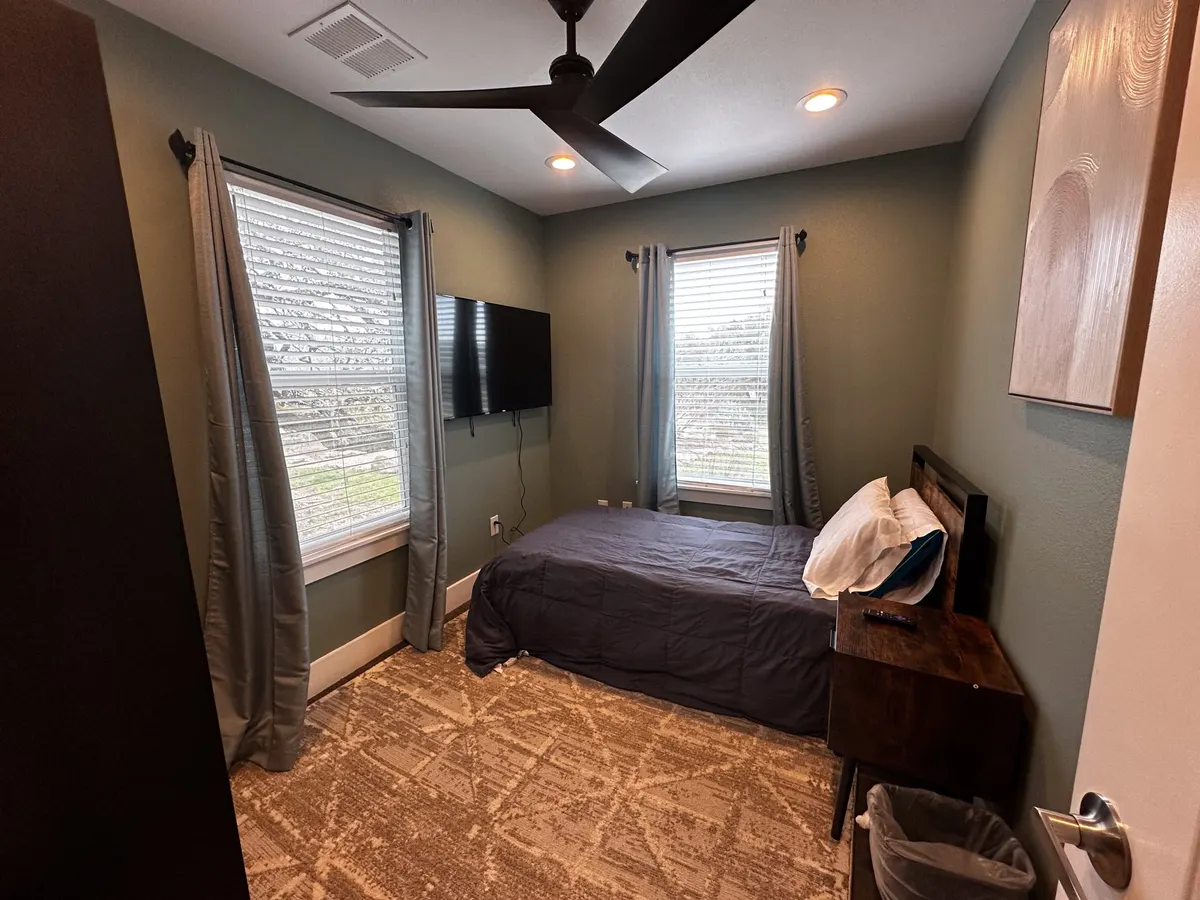

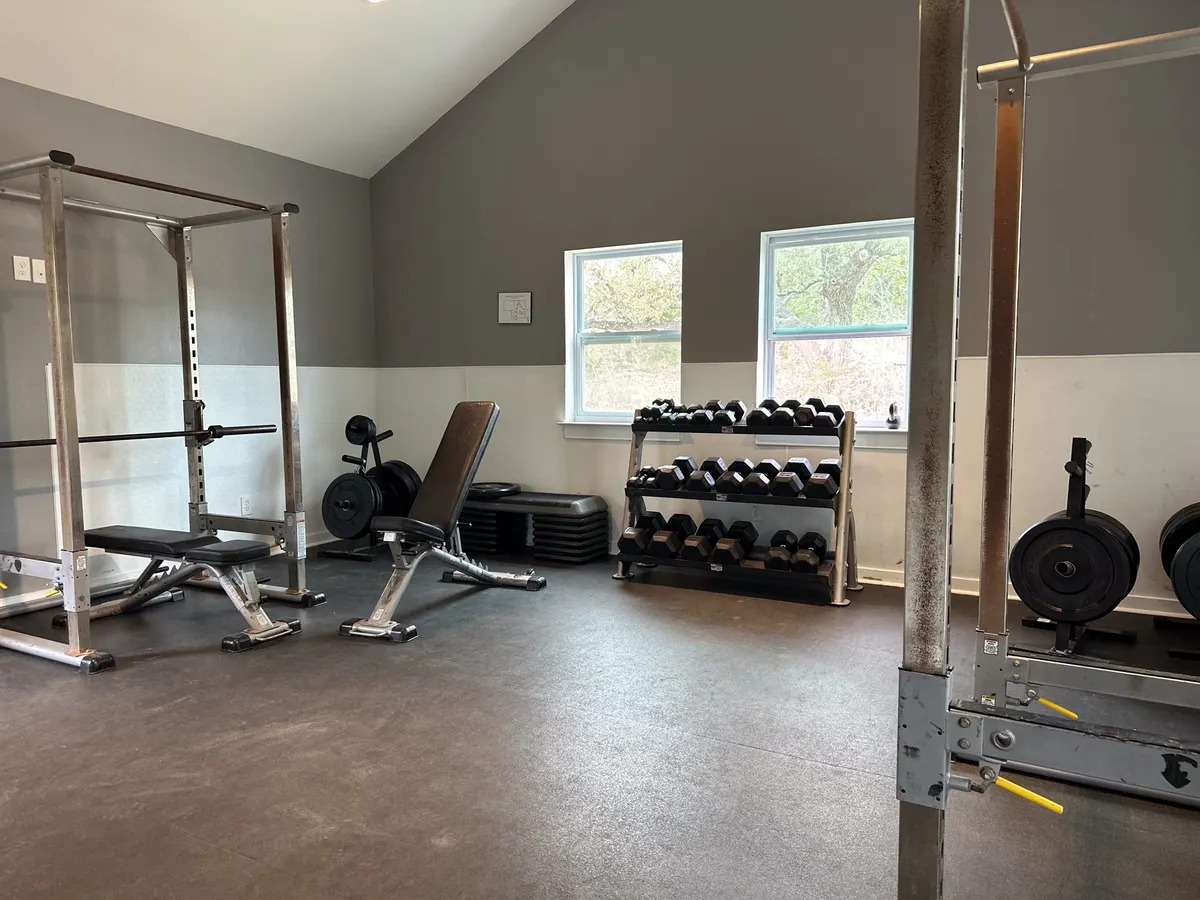
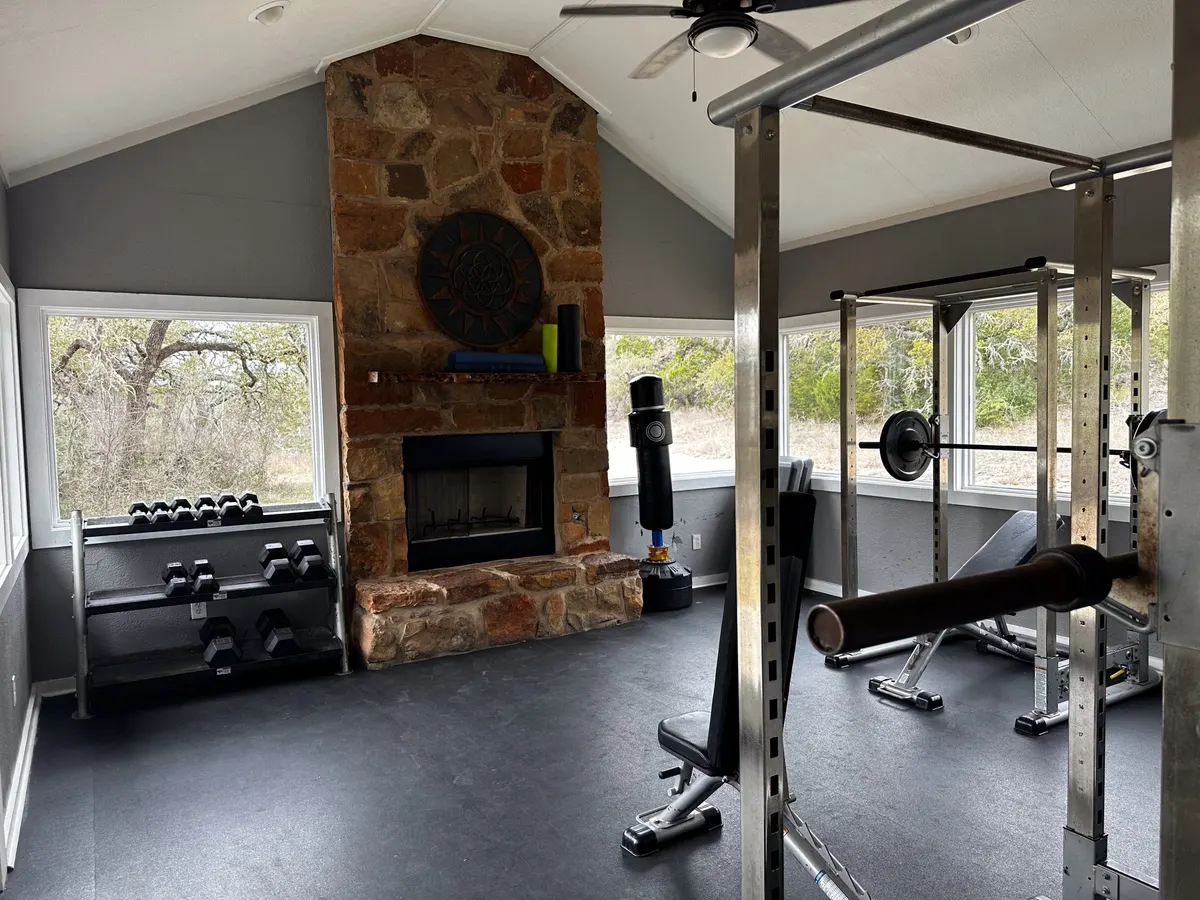
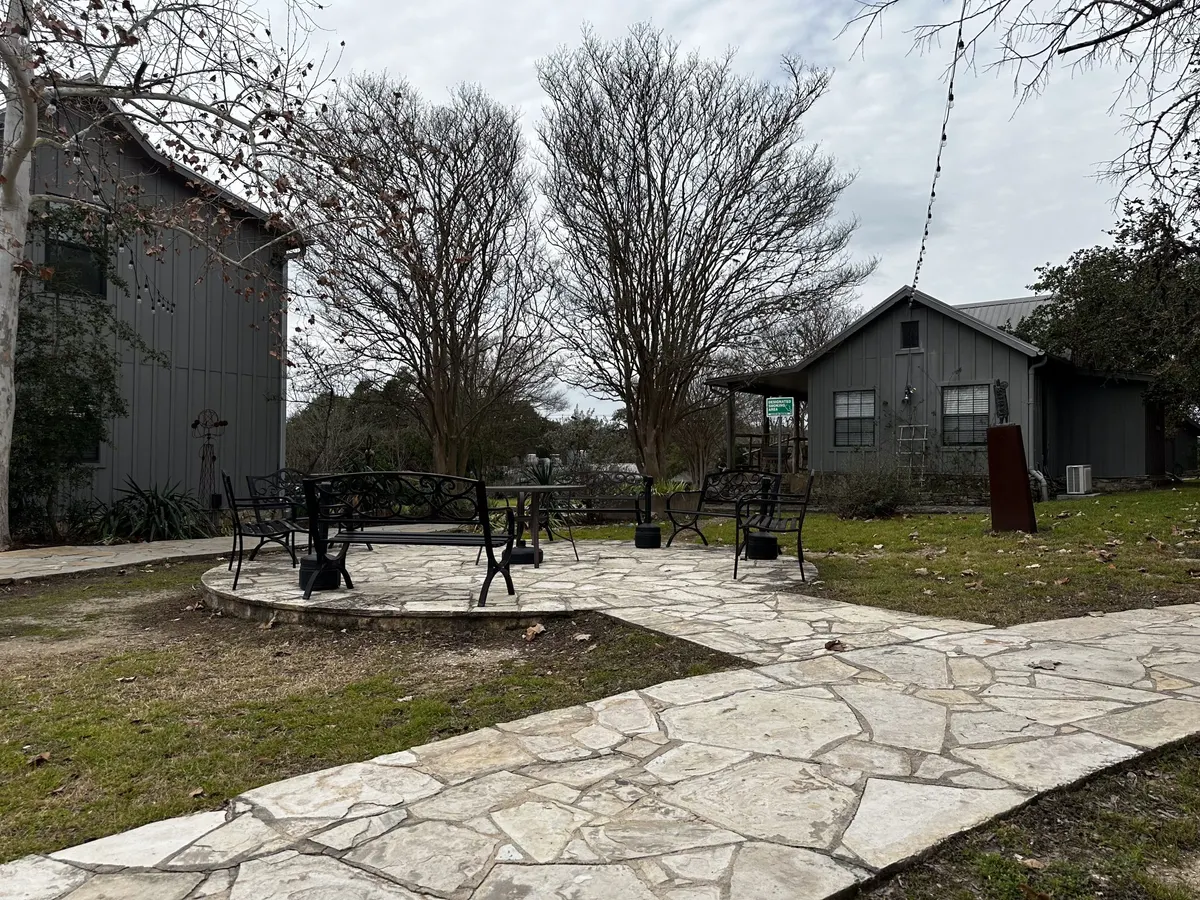
How Outpatient Alcohol Rehab Works
Outpatient rehab is structured care for substance abuse that does not require an overnight stay. Programs meet several days per week and combine therapy, education, and support. Most Austin programs organize care into two main levels: Partial Hospitalization Programs (PHP) and Intensive Outpatient Programs (IOP), often with day and evening options.
Who outpatient rehab fits best
Outpatient care is suited to people with a stable home, no need for 24‑hour medical care, and either completed detox or no detox need. Strong home support improves outcomes and helps you apply skills learned in therapy to real life. These placement guidelines are common across local providers.
Levels of care you will see
Partial Hospitalization Program (PHP)
PHP is the most intensive outpatient option. Sessions often run most of the day, five days per week, delivered by a team of clinicians and counselors. It is used as a step‑down after residential treatment or as an alternative when safety and stability can be maintained at home.
Intensive Outpatient Program (IOP)
IOP offers more structure than weekly counseling but less than PHP. Standard Austin tracks meet three to five days per week with a ~3‑hour session and are commonly offered in both day and evening formats to accommodate work or school. For program specifics and schedules, see our Austin Intensive Outpatient Program (IOP).
Virtual IOP
Several centers offer remote options with secure video for group and individual sessions, mirroring in‑person curricula. Providers in Austin list both Virtual IOP and telehealth levels of care. Prefer remote care? Explore our Online Intensive Outpatient Program (IOP) for Austin‑area clients.
What a Week Can Look Like

Freedom Starts Here. Take Back Your Life Today.
Same-Day Admissions in Austin Available.
What You’ll Do in Treatment
Cost, Insurance, and Access
Outpatient rehab is substantially less expensive than residential care because you are not paying for room and board. Many Austin facilities accept major insurance and will verify benefits; some also offer sliding‑scale fees or payment plans. Review in‑network coverage, expected out‑of‑pocket costs, and any financial‑assistance options before you enroll. Not sure about coverage? You can verify your insurance benefits in minutes.
Pros and Limits of Outpatient Care
How to Choose an Austin Program
Questions to ask
Which levels of care are offered (PHP, IOP, Virtual IOP)?
How many hours per week and how many total sessions are included?
What therapies are used? Do you treat co‑occurring mental‑health conditions?
How are families involved? What does aftercare look like?
What are your expectations about sobriety during treatment?
Which insurances are accepted? Are payment plans available?
Are day and evening groups available, and can I switch times if needed?
Medical Disclaimer
The information provided on this page is for educational and informational purposes only. It is not intended to replace professional medical advice, diagnosis, or treatment. Individuals seeking care for alcohol or substance abuse should consult a licensed healthcare provider or qualified addiction specialist before beginning, changing, or discontinuing any treatment plan. Prescription or over-the-counter medications, including those used in alcohol rehab programs, should only be taken under medical supervision. If you are experiencing a medical emergency, worsening symptoms, or thoughts of self-harm, call 911 immediately. For confidential support related to mental health or substance use crises, contact the 988 Suicide and Crisis Lifeline, available 24 hours a day, seven days a week.
Frequently Asked Questions: Austin Outpatient Alcohol Rehab
What is outpatient alcohol rehab?
It’s structured alcohol treatment you attend while living at home. Care typically includes counseling, skills training, and support groups delivered several days per week.
Is outpatient rehab effective for alcohol addiction?
Yes. Evidence shows intensive outpatient programs (IOPs) can be effective alternatives to inpatient care for many people with alcohol or other substance abuse disorders who don’t need 24/7 supervision.
How long does outpatient alcohol rehab last?
Length varies by level of care and progress. IOPs commonly meet multiple days per week for several hours per day; partial hospitalization (PHP) involves more hours than IOP.
What happens during outpatient rehab?
Expect individual and group therapy (often CBT/skills-based), education, relapse‑prevention planning, and, when appropriate, medication management, all while you maintain daily routines.
What’s the difference between IOP and PHP?
PHP is the more intensive outpatient level, running most weekdays. IOP meets fewer hours (often evenings). Both support stabilization without overnight stays.
Can you work while in outpatient rehab?
Often, yes. Outpatient and IOP models are designed so many people can keep working or going to school while in addiction rehab.
Does insurance cover outpatient alcohol rehab?
Most plans include behavioral‑health benefits; coverage varies by plan and provider. Verify benefits and any preauthorization needs before starting alcohol rehab.
Is detox required before starting outpatient rehab?
Not always. People who do not need medical detox or 24‑hour monitoring may start IOP/PHP; those with dangerous withdrawal risk should begin in higher‑acuity care first.
Are there virtual/online outpatient rehab options?
Yes. Many centers now offer telehealth or virtual IOP tracks that mirror in‑person curricula, useful for Austin‑area patients needing flexible access.
How do I choose an outpatient alcohol rehab in Austin?
Use the NIAAA Navigator’s recommended questions (licensure, therapies, medications, outcomes, aftercare) and confirm insurance, schedule, and location fit.
What clients say
Trusted by clients across Texas
4.6 from 434 Google reviews across 9 locations
Across Nova Recovery Center, Briarwood Detox Center and Eudaimonia Recovery Homes
★★★★★
“Nova is far from perfect, and some of the information can be misleading. But if you want to cover the 12 Steps while enjoying good food and a beautiful scenic view, this is the place for you. The…”
10 months ago · Wimberley
★★★★★
“I did 90 days at Nova Recovery 6 years ago. I am still sober today. And living a life I could have never imagined. The people and the program they are running impacted me for a lifetime. Better than…”
2 years ago · Wimberley
★★★★★
“I went to Nova almost 9 months ago and I wouldn’t change it for the world. The staff when I first entered were very nice and welcoming. As a 19 year old that didn’t know what I was getting myself…”
2 years ago · Austin
★★★★★
“Nova Recovery Center has been an invaluable part of my journey to sobriety. The intensive inpatient program, coupled with the unwavering support and guidance from my recovery specialist, Mark Rector…”
2 years ago · Austin


★★★★★
“I had such a positive experience at Nova Recovery in Wimberley! The staff genuinely cares and went above and beyond to support me every step of the way. The peaceful setting made it easier to focus…”
a year ago · Wimberley
★★★★★
“I love Nova so freaking much. Nova has saved my life in more ways than one. I was hopeless and had no solution suffering from this disease. The staff there never gave up on me. I was the worst client…”
2 years ago · Austin
★★★★★
“I know Mark rector is non-binary however it saved my life and it did a good job with CPR and I don't know how aside from staying sober I could ever repay it thank you Mr or Mrs or whatever you're…”
8 months ago · Austin
★★★★★
“It's been a few years since I was a patient at Nova Recovery Center. Recently I have been reflecting on my time there and how incredibly grateful I am for the experience I had. I have been to 7 rehab…”
2 years ago · Austin


Talk to someone today
Ready when you are
Admissions are answered 24 hours a day by a person, not a queue. We will check your benefits for free and tell you what treatment would actually cost.
Free and confidential · No obligation