
Drug Use
Netflix Documentary Review: Heroin(e)
Excellent 4.6 out of 5 434 Google reviews across our locations

Published January 3, 2018
Updated July 27, 2026
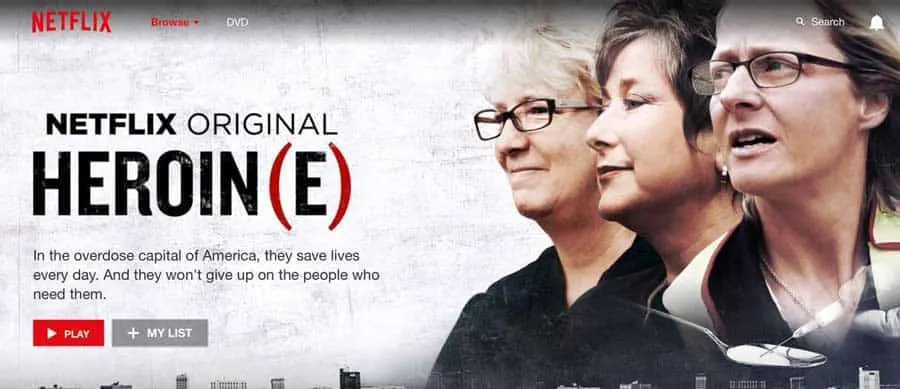 The definition of a heroine is, “a woman noted for courageous acts or nobility of character.” The Netflix Original documentary “Heroin(e)” directed by Elaine McMillion Sheldon, brings that definition to life as it follows the lives of three courageous women who are battling West Virginia’s opioid epidemic every single day: a judge, a fire chief, and a street missionary.
Huntington, West Virginia: The Heart of the Opioid Crisis
“Heroin(e)” is filmed in Huntington, West Virginia, the epicenter of the opioid crisis. This town has been referred to as the overdose capital of America, and the overdose death rate is ten times the national average.1
Huntington is home to a large number of blue-collar workers, hardworking people who do a lot of manual labor. These types of jobs often lead to injuries, and many people get hooked on prescription opioids after coming by them honestly.
Once their supply runs out and they can’t get any more pain pills from the doctor, many of these people turn to opioids like heroin for relief. The combination of unemployment, hopelessness, and lack of education is a deadly mixture, and the community suffers immensely. Now drug users in the community have started turning to even stronger opioids, like fentanyl and carfentanil, and the public health crisis is worsening.
It is estimated that of the 100,000 people who live in Huntington and Cabell County, 10,000 of them have become addicted to opioids such as heroin and pain pills.2
In the wake of such a devastating national crisis and all the horrific news reports about overdose deaths and opioid addiction, “Heroin(e)” offers a real but optimistic outlook on the situation. In just 39 minutes of film, this documentary leaves you feeling hopeful, like the daily actions of one (or three) people could actually make a difference. And that you could even do something to make a difference too.
Three Women Fighting Opioid Addiction
The film’s three central characters, Jan Rader, Judge Patricia Keller, and Necia Freeman, each play a different role in the fight against opioid addiction.
Jan Rader, Deputy Chief at the Huntington Fire Department, spends her days responding to emergency overdose calls. She is a self-proclaimed people helper with professional experience as a medic and a nurse. “I’m built for this,” she says. Not only does she save people’s lives by administering Naloxone and handing it out to emergency responders around the county, but she also encourages individuals who have overdosed to seek treatment and get involved in a drug rehab program.
Judge Patricia Keller of the Cabell County Drug Court provides direction and structure for convicted drug abusers and individuals with drug dependency problems. She rules with a firm yet loving hand, emphasizing honesty, discipline, and celebrating the successes of offenders who are actively pursuing a life of sobriety.
Necia Freeman is a street missionary with the Brown Bag Ministry. Every Wednesday, she drives up and down the streets of Huntington, engaging prostitutes in conversation and giving them food and personal care products. She fights for these women daily by building relationships with them and helping them locate drug rehab centers where they can start a new life.
Key Takeaways from “Heroin(e)”
“Heroin(e)” is a brief but raw look at the opioid crisis in Huntington, West Virginia, and a glimpse of what it might look like elsewhere as well. Although short, this documentary provides some powerful key takeaways.
- It’s important to treat people like people, not addicts. Although each main character in this documentary addresses opioid addiction in a different way, all three of them share one thing in common: they truly care about the people they are helping and they treat them with respect and dignity.
- Everyone can do something to improve their community. You may not be a judge or a fire chief, but you have plenty of resources and opportunities to get involved.
- The opioid crisis won’t be solved with one single solution or by one person. At the end of the film, we watch Jan answer questions in an interview before she quickly takes off to respond to another overdose call. This final scene is a telling story in and of itself. The opioid crisis will continue and there isn’t a single solution that will fix it. It will require teamwork and the willingness of many individuals like Jan to beat it.
Getting Help for Opioid Addiction
For some people, this documentary might be all too real. If you or a loved one is suffering from opioid addiction, Nova Recovery Center can help. We provide individualized drug and alcohol rehab programs and specialize in helping those who suffer from chronic relapse.
Whether this is your first or your fiftieth time trying to get sober, our caring and experienced staff members are here for you. Call Nova today to learn more about our long-term rehab program or to enroll today.
References:
- https://www.washingtonpost.com/news/to-your-health/wp/2017/01/12/this-drug-dealers-heroin-was-so-powerful-that-it-led-to-26-overdoses-in-a-single-day/?utm_term=.ffac3cbfb969
- https://www.pbs.org/newshour/show/community-overwhelmed-opioids
Why This Documentary Still Matters in 2025
Since Heroin(e) premiered on Netflix in 2017, the opioid crisis has evolved but remains a critical public health emergency. As of 2024, the CDC reports over 107,000 annual overdose deaths in the United States, with fentanyl-contaminated heroin driving fatalities to historic highs. The stories captured in this Oscar-nominated documentary (of first responders, drug court judges, and community advocates in Huntington, West Virginia) remain urgent today.
The film’s focus on compassionate intervention, harm reduction, and wraparound community support aligns with evidence-based addiction treatment models now widely recognized as best practice. At Nova Recovery Center, we see the same patterns documented in Heroin(e): individuals seeking hope, families in crisis, and the transformative power of comprehensive drug addiction rehab that addresses the whole person.
Key Takeaways from Heroin(e) for Families Seeking Help
- Intervention saves livesThe film shows Fire Chief Jan Rader administering Narcan (naloxone) dozens of times a day, immediate intervention is critical, but long-term recovery requires professional treatment.
- Stigma is a barrierJudge Patricia Keller’s drug court treats addiction as a disease, not a moral failing, an approach central to effective therapeutic rehab processes.
- Community and accountability workThe Brown Bag Ministry’s peer support model mirrors the sober friendships and accountability that sustain long-term sobriety.
- Treatment must be accessible and sustainedOne-time interventions are not enough, continuum of care and aftercare planning are essential to prevent relapse.
Frequently Asked Questions About Heroin Addiction and Recovery
What is the Netflix documentary Heroin(e) about?
Heroin(e) is a 2017 Oscar-nominated short documentary that follows three women on the front lines of the opioid crisis in Huntington, West Virginia: Fire Chief Jan Rader, Judge Patricia Keller, and community organizer Necia Freeman. The film captures their daily work saving lives, reducing harm, and offering pathways to recovery in one of America’s hardest-hit communities.
How does heroin addiction treatment work today?
Modern heroin addiction treatment typically begins with medically supervised detoxification to safely manage withdrawal symptoms. This is followed by evidence-based therapies such as cognitive behavioral therapy (CBT), individual and group counseling, and addiction therapy. Many patients benefit from continuum of care including residential treatment, intensive outpatient programs, and long-term aftercare to sustain recovery.
Is heroin still a major problem in 2025?
Yes. While prescription opioid misuse has declined slightly, heroin and synthetic opioids like fentanyl continue to drive overdose deaths. Fentanyl is now found in the majority of heroin sold on the street, making every use potentially lethal. The CDC and SAMHSA report that opioid-related overdoses remain at crisis levels, underscoring the ongoing need for accessible, comprehensive addiction treatment.
What should I do if a loved one is addicted to heroin?
If someone you love is struggling with heroin addiction, act quickly but compassionately. Learn the signs of overdose and keep Narcan (naloxone) on hand. Approach your loved one with empathy, avoiding judgment or shame. Consider a professional intervention for heroin addiction, and connect with a licensed treatment center like Nova Recovery Center to explore options for inpatient or outpatient rehab. Early intervention and sustained support dramatically improve outcomes.
Does Nova Recovery Center treat heroin addiction?
Yes. Nova Recovery Center offers comprehensive, evidence-based treatment for heroin and opioid addiction at our residential facility in Wimberley, TX and outpatient centers in Austin, Houston, San Antonio, and Colorado Springs. Our programs include medically supervised detox, individual and group therapy, trauma treatment, and robust aftercare planning. We also offer telehealth intensive outpatient programs (IOP) for patients nationwide. Call us at (512) 605-2955 to speak with an admissions specialist today.
Related Resources on Heroin and Opioid Addiction
How People Get Addicted to Heroin Generation H: The Heroin Epidemic Prescription Drug Abuse Predicts Heroin Use The Five Stages of Addiction Recovery Is Drug Addiction Rehab Really Effective? Real Story: Reclaiming Life from Heroin and Alcohol Addiction If you or a loved one is struggling with heroin or opioid addiction, help is available now. Nova Recovery Center offers personalized, evidence-based treatment in Austin, Wimberley, Houston, San Antonio, Colorado Springs, and online. Call (512) 605-2955 to start your recovery journey today.
What clients say
Trusted by clients across Texas
4.6 from 434 Google reviews across 9 locations
Across Nova Recovery Center, Briarwood Detox Center and Eudaimonia Recovery Homes
★★★★★
“Nova is far from perfect, and some of the information can be misleading. But if you want to cover the 12 Steps while enjoying good food and a beautiful scenic view, this is the place for you. The…”
10 months ago · Wimberley
★★★★★
“I did 90 days at Nova Recovery 6 years ago. I am still sober today. And living a life I could have never imagined. The people and the program they are running impacted me for a lifetime. Better than…”
2 years ago · Wimberley
★★★★★
“I went to Nova almost 9 months ago and I wouldn’t change it for the world. The staff when I first entered were very nice and welcoming. As a 19 year old that didn’t know what I was getting myself…”
2 years ago · Austin
★★★★★
“Nova Recovery Center has been an invaluable part of my journey to sobriety. The intensive inpatient program, coupled with the unwavering support and guidance from my recovery specialist, Mark Rector…”
2 years ago · Austin


★★★★★
“I had such a positive experience at Nova Recovery in Wimberley! The staff genuinely cares and went above and beyond to support me every step of the way. The peaceful setting made it easier to focus…”
a year ago · Wimberley
★★★★★
“I love Nova so freaking much. Nova has saved my life in more ways than one. I was hopeless and had no solution suffering from this disease. The staff there never gave up on me. I was the worst client…”
2 years ago · Austin
★★★★★
“I know Mark rector is non-binary however it saved my life and it did a good job with CPR and I don't know how aside from staying sober I could ever repay it thank you Mr or Mrs or whatever you're…”
8 months ago · Austin
★★★★★
“It's been a few years since I was a patient at Nova Recovery Center. Recently I have been reflecting on my time there and how incredibly grateful I am for the experience I had. I have been to 7 rehab…”
2 years ago · Austin


Talk to someone today
Ready when you are
Admissions are answered 24 hours a day by a person, not a queue. We will check your benefits for free and tell you what treatment would actually cost.
Free and confidential · No obligation