

Drug & Substance Guide
Naproxen: Uses, Dosage, Side Effects, Interactions & Safety
Admissions answered 24 hours a day · Free and confidential
Excellent 4.6 out of 5 434 Google reviews across our locations



What clients say
Trusted by clients across Texas
4.6 from 434 Google reviews across 9 locations
Across Nova Recovery Center, Briarwood Detox Center and Eudaimonia Recovery Homes
★★★★★
“Nova is far from perfect, and some of the information can be misleading. But if you want to cover the 12 Steps while enjoying good food and a beautiful scenic view, this is the place for you. The…”
10 months ago · Wimberley
★★★★★
“I did 90 days at Nova Recovery 6 years ago. I am still sober today. And living a life I could have never imagined. The people and the program they are running impacted me for a lifetime. Better than…”
2 years ago · Wimberley
★★★★★
“I went to Nova almost 9 months ago and I wouldn’t change it for the world. The staff when I first entered were very nice and welcoming. As a 19 year old that didn’t know what I was getting myself…”
2 years ago · Austin
★★★★★
“Nova Recovery Center has been an invaluable part of my journey to sobriety. The intensive inpatient program, coupled with the unwavering support and guidance from my recovery specialist, Mark Rector…”
2 years ago · Austin


★★★★★
“I had such a positive experience at Nova Recovery in Wimberley! The staff genuinely cares and went above and beyond to support me every step of the way. The peaceful setting made it easier to focus…”
a year ago · Wimberley
★★★★★
“I love Nova so freaking much. Nova has saved my life in more ways than one. I was hopeless and had no solution suffering from this disease. The staff there never gave up on me. I was the worst client…”
2 years ago · Austin
★★★★★
“I know Mark rector is non-binary however it saved my life and it did a good job with CPR and I don't know how aside from staying sober I could ever repay it thank you Mr or Mrs or whatever you're…”
8 months ago · Austin
★★★★★
“It's been a few years since I was a patient at Nova Recovery Center. Recently I have been reflecting on my time there and how incredibly grateful I am for the experience I had. I have been to 7 rehab…”
2 years ago · Austin


Exceptional standards, backed by credible organizations
Our affiliations and accreditations


What naproxen is
Naproxen is an NSAID, sold over the counter as Aleve and on prescription as Naprosyn and Naprelan. It treats pain, fever and inflammation, and it is used for arthritis, gout and menstrual cramps.
Over the counter the dose is 220 mg every 8 to 12 hours, up to 660 mg a day; prescription doses go higher under supervision. The common side effects are stomach upset, dizziness and headache, and the serious risk is gastrointestinal bleeding. This page covers the difference between naproxen and naproxen sodium, how it works, dosing, side effects, interactions and safety.
- What it is
- An NSAID for pain and inflammation
- Over-the-counter dose
- 220 mg every 8 to 12 hours, max 660 mg a day
- Serious risks
- GI bleeding, kidney and heart problems
- Do not combine with
- Other NSAIDs, blood thinners, SSRIs
Naproxen is not addictive. With alcohol it raises bleeding risk sharply, and that overlap is the reason it is here.
Medical disclaimer: The information below is educational and not a substitute for professional medical advice. Always follow your own clinician’s directions and product labels.

What Is Naproxen?
Naproxen is a nonsteroidal anti‑inflammatory drug (NSAID) used to reduce pain, fever, and inflammation. In pharmacies you’ll see it sold both by its generic name and under brands such as Aleve, Naprosyn, and Naprelan (a controlled‑release form). It is available as naproxen base and as naproxen sodium (the sodium salt dissolves a bit faster by mouth).

Naproxen vs. Naproxen Sodium
Naproxen sodium has better oral solubility and reaches effect a bit faster than naproxen base; both deliver the same active compound once absorbed. Aleve OTC products typically contain naproxen sodium 220 mg per tablet.
Prescription tablets commonly come in 250 mg, 375 mg, 500 mg strengths; there are delayed‑release (enteric‑coated)and controlled‑release versions as well, plus oral suspension for those who can’t swallow tablets.











How Naproxen Works (NSAID/COX inhibition)
Naproxen blocks cyclo‑oxygenase (COX‑1 and COX‑2) enzymes, lowering production of prostaglandins, chemical messengers that sensitize nerves to pain and drive inflammation and fever. The result is pain relief and reduced swelling. In many people, a single dose starts to help within an hour and can last up to ~12 hours.

What Naproxen Treats (Approved & Common Uses)
Clinicians use naproxen for a range of inflammatory and painful conditions, including: osteoarthritis, rheumatoid arthritis, ankylosing spondylitis, bursitis, tendonitis, acute gout flares, dysmenorrhea (period pain), back pain, muscle strains, dental pain, and other short‑term aches and fevers.
As with all NSAIDs, the guiding principle is to use the lowest effective dose for the shortest possible time that controls symptoms.

Dosage & How to Take Naproxen
Important: Always follow the label and your clinician’s instructions. Doses vary by condition, age, kidney/liver function, and formulation.

Over‑the‑Counter (OTC) Naproxen Dosage
For adults using OTC naproxen sodium (e.g., Aleve 220 mg tablets):
- Typical220 mg by mouth every 8–12 hours as needed.
- First dose optionYou may take 440 mg once (2 tablets) during the first hour.
- Maximum660 mg in 24 hours (no more than 440 mg in any 12‑hour period).
Take with a full glass of water; many people find taking with food helps reduce stomach upset. Avoid combining with other NSAIDs (including hidden NSAIDs in cold/flu products)
Prescription Dosage by Condition
Arthritis (OA/RA/AS)
Common starting regimens include 500 mg–1,000 mg per day divided once or twice daily (e.g., 250–500 mg twice daily) depending on the formulation; controlled‑release products may be taken once daily (e.g., 750 mg–1,000 mg once daily), with a typical maximum ≤1,500 mg/day under medical supervision.
Acute gout flare
750 mg once, then 250 mg every 8 hours until the attack resolves.
Dysmenorrhea (period pain)
Regimens often start at 500 mg, then 250 mg every 6–8 hours as needed (prescription), or follow the OTC instructions above for 220 mg tablets where appropriate.
Naproxen 500 mg: Dosage, Uses, and How to Take It
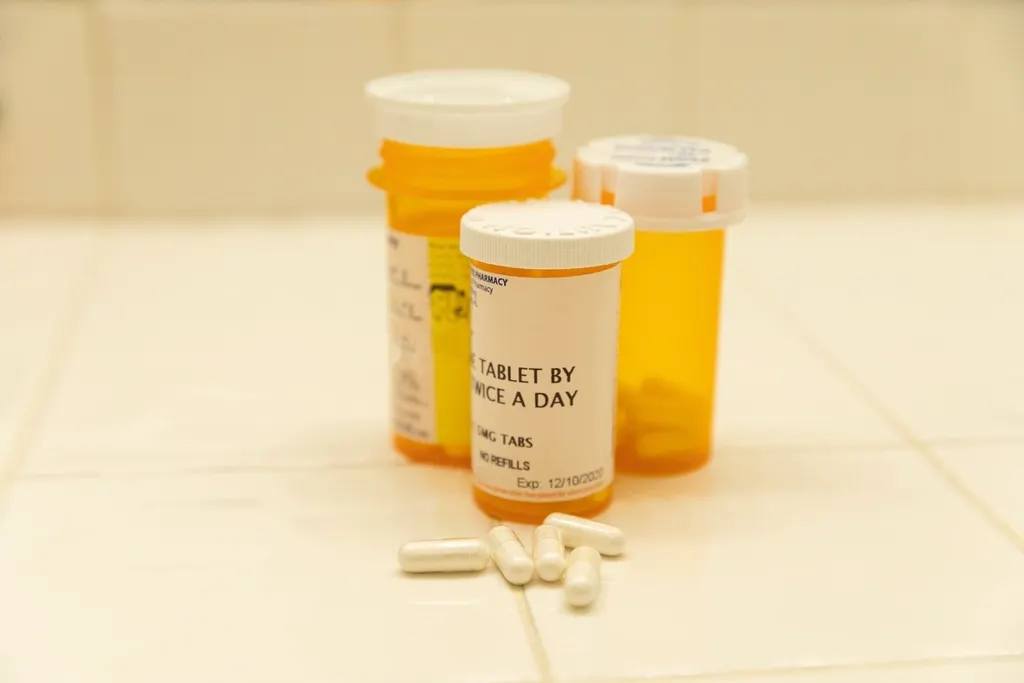
Naproxen 500 mg is a common prescription-strength dose, typically taken twice daily (about every 12 hours) for conditions like arthritis, moderate pain, or inflammation. The 500 mg tablet is stronger than the 220 mg dose found in over-the-counter products like Aleve, and it should only be taken when prescribed by a healthcare provider.
For prescription naproxen, a common regimen is 500 mg twice daily, though the exact dose and schedule depend on the condition being treated and your provider’s guidance. The general maximum for prescription use is 1,000–1,500 mg per day under medical supervision, taken for the shortest time needed to limit the risk of stomach, kidney, and cardiovascular side effects. Always follow your prescription label rather than adjusting the dose on your own.
Side Effects

Common Side Effects
Frequent, usually mild effects include upset stomach, nausea, heartburn/dyspepsia, headache, dizziness, drowsiness, tinnitus (ringing in ears), rash, and fatigue. These often improve after the first few days. Taking with food and using the lowest effective dose can help.

Serious Risks & When to Seek Help
Stomach or intestinal bleeding/ulcer (red or black stools, vomiting blood, severe stomach pain). Risk is higher with prior ulcers, older age, alcohol, smoking, corticosteroids, anticoagulants, or combined NSAIDs/aspirin. Stop naproxen and get urgent care if suspected.
Heart attack or stroke risk (class warning for non‑aspirin NSAIDs). Risk increases with higher doses and longer use, and in those with cardiovascular disease or risk factors. Do not use for pain around coronary bypass (CABG) surgery except if your surgeon directs.
Kidney problems (reduced urine, swelling, fatigue). Risk increases in older adults, dehydration, heart failure, and pre‑existing kidney disease.
Allergic reactions (wheezing/asthma flare, face/lip swelling, hives, anaphylaxis). Seek immediate care.
Liver issues (yellowing skin/eyes, dark urine). Contact a clinician promptly.
Ready to take the next step?
Interactions to Watch
Always share a full list of your prescriptions, OTC medicines, and supplements with your clinician and pharmacist.
Who Should Avoid or Use With Caution

Pregnancy, Breastfeeding & Fertility
- PregnancyAvoid naproxen in the second half of pregnancy (especially after 20 weeks) due to potential fetal kidney and heart complications and pregnancy problems. Use earlier in pregnancy only if your clinician advises it.
- BreastfeedingSafety is uncertain; discuss risks and alternatives with your clinician.
- Trying to conceiveNSAIDs may affect ovulation in some people; short‑term use may still be acceptable. Ask your clinician. (General counseling; defer to provider.)
We accept most major insurance
Most major insurance covers treatment here
We'll check your benefits for free and tell you what you'd actually pay, before you commit to anything.
















Takes about 2 minutes · No obligation · Or call (512) 605-2955
Don't see yours? We work with more plans than we can show here.
VERIFY YOUR INSURANCE | 100% CONFIDENTIAL
Practical Tips for Safer Use
Naproxen vs. Other Pain Relievers

Naproxen vs. Meloxicam/Celecoxib
Meloxicam and celecoxib are Rx NSAIDs. Celecoxib is COX‑2–selective (potentially less GI irritation) but still carries CV risk. Selection should be individualized based on history and tolerability. In arthritis care, meloxicam (Mobic): uses & risks differ from naproxen’s profile; see how dosing, half‑life, and GI/CV warnings compare.
Many patients ask, Is meloxicam stronger than naproxen? Our meloxicam page explains strength, duration, and who should avoid it.
Freedom Starts Here. Take Back Your Life Today.
Same-Day Admissions in Austin Available.
Naproxen Frequently Asked Questions: Dosage, Side Effects, Interactions & Safety
What is naproxen used for?
It treats inflammatory and pain conditions such as arthritis, gout flares, tendonitis, bursitis, and period pain, and may reduce fever and general aches.
How long does naproxen take to work?
Typically 30–60 minutes for mild/moderate pain; full effect may take several hours.
How long does naproxen last?
Many people get relief for up to 12 hours, especially with naproxen’s longer half‑life.
What is the maximum OTC dose of naproxen?
660 mg in 24 hours; no more than 440 mg within any 12‑hour period.
Can I take naproxen with ibuprofen or aspirin?
No. Avoid combining with other NSAIDs (including ibuprofen or additional naproxen). If you take daily low‑dose aspirin, talk with your clinician before using naproxen due to bleeding risk.
Can I drink alcohol while taking naproxen?
Limit or avoid alcohol; it increases GI bleeding risk with NSAIDs.
Who should not take naproxen?
People with recent heart attack, active ulcer/bleeding, severe kidney disease, or who are post‑CABG should avoid naproxen unless a clinician directs. Use caution in heart disease and older adults.
Is naproxen safe during pregnancy?
Avoid especially after 20 weeks; earlier use only if clinician advises.
Can naproxen cause high blood pressure or kidney problems?
NSAIDs can worsen blood pressure in some and may affect kidney function, especially with risk factors or dehydration.
What should I do if I took too much naproxen?
Seek urgent care or contact Poison Control; overdoses can cause GI bleeding and kidney issues.
What is naproxen 500 mg used for?
Naproxen 500 mg is a prescription-strength dose used to relieve moderate pain and reduce inflammation from conditions such as arthritis, back pain, menstrual cramps, and injuries. It’s stronger than over-the-counter naproxen and should be taken only as prescribed.
How often can you take naproxen 500 mg?
Prescription naproxen 500 mg is commonly taken twice daily, roughly every 12 hours, with the maximum and schedule set by your healthcare provider. Take it with food or milk to reduce stomach irritation, and use the lowest effective dose for the shortest time needed.
What is the maximum naproxen dosage per day?
For prescription use, the typical maximum is 1,000–1,500 mg per day under medical supervision, while over-the-counter naproxen has a lower daily limit. Exceeding the recommended dose increases the risk of stomach, kidney, and heart-related side effects, so always follow your provider’s instructions or the product label.
What are the most serious side effects of naproxen?
Two stand out. Stomach or intestinal bleeding or ulcer, which shows as red or black stools, vomiting blood, or severe stomach pain, and the page says to stop naproxen and get urgent care if it is suspected. The risk is higher with prior ulcers, older age, alcohol, smoking, corticosteroids, anticoagulants or combining NSAIDs with aspirin. The other is the class warning for heart attack and stroke, which rises with higher doses and longer use. Anyone with heart disease or a prior heart attack or stroke should use it only if the benefits outweigh the risks, at the lowest effective dose for the shortest time.

You Can Recover: Let’s Begin
At Nova Recovery Center, we understand that even commonly used medications like naproxen can be misused or abused, leading to serious health risks and dependency. Our experienced team offers comprehensive assessments to uncover the physical, emotional, and behavioral aspects of naproxen misuse. Through evidence-based treatment programs, clients receive structured care that addresses the addiction itself and underlying issues such as chronic pain, stress, or co-occurring mental health conditions. We provide a full continuum of recovery services, including medical detox, inpatient rehab and outpatient treatment, relapse prevention planning, and long-term support with sober living. Clients also benefit from individualized treatment plans tailored to their unique needs and circumstances. Our holistic approach incorporates therapies that strengthen both mind and body, helping individuals build resilience and healthier coping strategies. With compassionate support, education, and accountability, Nova Recovery Center helps clients overcome naproxen abuse and reclaim their quality of life. Our ultimate goal is long-term sobriety and improved well-being, providing hope for individuals and families affected by addiction.
Get help today. Reach out now to start your path to healing.
Discover More About NSAIDs
Everything You Need to Know...
Other Outpatient Drug and Alcohol Rehab Locations
Keep reading
- Ketorolac (Toradol): Uses, Dosage, Side Effects, Interactions & Safety
- Ibuprofen (Advil, Motrin): Uses, Dosage, Side Effects, Interactions & Safety Guide
- Nonsteroidal Anti‑Inflammatory Drugs (NSAIDs): Uses, Risks, and Safer Alternatives
- Meloxicam (Mobic): Uses, Dosage, Side Effects, Interactions & Safety
- Paxil Withdrawal: Symptoms, Detox, and Treatment Options
Talk to someone today
Ready when you are
Admissions are answered 24 hours a day by a person, not a queue. We will check your benefits for free and tell you what treatment would actually cost.
Free and confidential · No obligation