Nova Recovery Center
Addictive Drugs
Admissions answered 24 hours a day · Free and confidential
Excellent 4.6 out of 5 434 Google reviews across our locations

What clients say
Trusted by clients across Texas
4.6 from 434 Google reviews across 9 locations
Across Nova Recovery Center, Briarwood Detox Center and Eudaimonia Recovery Homes
★★★★★
“Nova is far from perfect, and some of the information can be misleading. But if you want to cover the 12 Steps while enjoying good food and a beautiful scenic view, this is the place for you. The…”
10 months ago · Wimberley
★★★★★
“I did 90 days at Nova Recovery 6 years ago. I am still sober today. And living a life I could have never imagined. The people and the program they are running impacted me for a lifetime. Better than…”
2 years ago · Wimberley
★★★★★
“I went to Nova almost 9 months ago and I wouldn’t change it for the world. The staff when I first entered were very nice and welcoming. As a 19 year old that didn’t know what I was getting myself…”
2 years ago · Austin
★★★★★
“Nova Recovery Center has been an invaluable part of my journey to sobriety. The intensive inpatient program, coupled with the unwavering support and guidance from my recovery specialist, Mark Rector…”
2 years ago · Austin


★★★★★
“I had such a positive experience at Nova Recovery in Wimberley! The staff genuinely cares and went above and beyond to support me every step of the way. The peaceful setting made it easier to focus…”
a year ago · Wimberley
★★★★★
“I love Nova so freaking much. Nova has saved my life in more ways than one. I was hopeless and had no solution suffering from this disease. The staff there never gave up on me. I was the worst client…”
2 years ago · Austin
★★★★★
“I know Mark rector is non-binary however it saved my life and it did a good job with CPR and I don't know how aside from staying sober I could ever repay it thank you Mr or Mrs or whatever you're…”
8 months ago · Austin
★★★★★
“It's been a few years since I was a patient at Nova Recovery Center. Recently I have been reflecting on my time there and how incredibly grateful I am for the experience I had. I have been to 7 rehab…”
2 years ago · Austin


About Drug Addiction
What drug addiction is, and what it does
Drug addiction is a chronic, relapsing brain disease marked by compulsive drug seeking and use. It is called a brain disease because drugs change the structure of the brain and the way it works, which is why stopping is not a matter of willpower.
The first use often brings pleasure, a euphoria or a high, and that is what encourages the second. Over time use becomes uncontrollable, physical dependence develops, and stopping brings withdrawal.
Left alone it causes severe physical, social and psychological damage, and it can end in overdose or death. This page is the index to what we know about it.
- What it is
- A brain disease
- Risk from genetics
- About half
- People with a disorder
- 20.1 million
- Entries in this index
- Thirty-eight
Every entry below links to the detail. If you would rather just talk to someone, call.
Why it starts, and how it takes hold
Three things decide whether someone becomes addicted: what they bring to it, what they are using it for, and what the drug does to the brain once it is there.
-
The risk factors
Addiction does not discriminate by age, sex, race or ethnicity. About half of a person’s risk comes from genetics, and gender and ethnicity play a part too. No single factor predicts future use, but the more risk factors someone carries, the more likely it becomes.
-
Why people use
Much substance abuse begins as self-medication, with mental health at the root of it. People use for different reasons depending on their situation, but most start to cope with something: stress, trauma, depression, anxiety. The 2016 National Survey on Drug Use and Health found 20.1 million people aged 12 and over with a substance use disorder.
-
How use becomes addiction
The path begins with chemical changes in the brain. Taking a drug floods the brain’s reward circuit, and the circuit adapts to the flood, which is what makes the next dose necessary rather than pleasurable.
None of this is a character flaw.
It is a treatable illness, and the call is where treatment starts.
The two most used
A 2016 SAMHSA survey found 37.6 million people had used marijuana in the past year, 18.7 million had misused prescription psychotherapeutic drugs and 11.5 million had misused pain relievers. These two come first because they are the ones most people are actually dealing with.
Freedom Starts Here. Take Back Your Life Today.
Same-Day Admissions in Austin Available.
Commonly abused drugs
Twenty categories, each with its own page. If you are looking for a specific substance rather than a class, the A to Z index has it.
-
Anticonvulsants
Anticonvulsants, also known as antiseizure medications (ASMs) or antiepileptic drugs (AEDs).
Read more -
Antidepressants
Antidepressant medications are used to treat many mental health conditions, including.
Read more -
Antipsychotics and Mood Stabilizers
If you or a loved one is navigating treatment options for bipolar disorder or psychosis.
Read more -
Barbiturates
Barbiturates, often called “barbs”, are a class of drugs.
Read more -
Benzodiazepines
Benzodiazepines (commonly referred to as “benzos”).
Read more -
Cannabinoids
Cannabinoids are chemical compoundsin marijuana.
Read more -
CNS Depressants
CNS depressants, sometimes called sedatives, tranquilizers.
Read more -
Designer Drugs
Designer drugs are drugs that have been created to mimic.
Read more -
Hallucinogens
Hallucinogens are a type of drug that causes.
Read more -
Herbal Drugs
What are “herbal drugs”? In everyday use, the term refers.
Read more -
Inhalants
Inhalants are volatile substances that release chemical.
Read more -
Muscle Relaxers
Muscle relaxers (or muscle relaxants) are prescription.
Read more -
Caffeine
Caffeine is the most widely consumed psychoactive drug.
Read more -
Nonsteroidal anti-inflammatory drugs
Nonsteroidal anti-inflammatory.
Read more -
Illegal Opioids
Illegal opioids are powerful drugs that bind to opioid receptors in the brain and body. They include.
Read more -
Prescription Opioids (Narcotics)
Narcotics, or prescription opioids, are powerful medications often.
Read more -
Over The Counter (OTC) Drugs
Over the counter (OTC) drugs are medications you can buy at.
Read more -
Prescription Stimulant
You can only obtain prescription stimulants with a prescription.
Read more -
Prescription Sedatives
Prescription sedatives and tranquilizers are central.
Read more -
Strattera
Strattera, the brand name for atomoxetine, is a.
Read more
Addiction topics and treatment
The rest of what this site covers: what addiction does, how it is treated, and the behavioural addictions that work the same way without a substance.
-
Addiction and Mental Health
When people talk about mental health and addictions.
Read more -
Addiction Effects
Discover how addiction impacts health, relationships, and recovery.
Read more -
Addiction Help
Find trusted addiction help, treatment and supportive paths to recovery.
Read more -
Addiction Prevention
Addiction prevention means using proven strategies to reduce.
Read more -
Addiction Recovery
Recovery is more than stopping alcohol or drugs. The widely used.
Read more -
Addiction Resources
Addiction (often called substance use disorder) is a medical condition.
Read more -
Addiction Symptoms
Recognizing addiction early saves time, money, health, and, often.
Read more -
Addiction Treatment
Addiction treatment is a structured, evidence-based process that.
Read more -
Addiction Types
Addiction is a chronic condition marked by compulsive use of a substance.
Read more -
Behavioral Addictions
At their core, behavioral addictions are learned patterns where an activity.
Read more -
Behavioral Addiction Help
LA behavioral addiction, also called a process addiction, is a pattern.
Read more -
Behavioral Addiction Support Groups
Behavioral (or process) addictions.
Read more -
Behavioral Addiction Treatment
A behavioral addiction, often called a process addiction, is a pattern.
Read more -
Causes of Behavioral Addictions
Behavioral addictions: gambling, gaming and social media, sex.
Read more -
Effects of Behavioral Addictions
A behavioral addiction is a condition marked by compulsive repetition of.
Read more -
Overcoming Behavioral Addictions
Behavioral addictions (also called process addictions) involve.
Read more
Thirty-eight entries is a lot to read through.
If you already know what you are dealing with, the call is faster.
We accept most major insurance
Most major insurance covers treatment here
We'll check your benefits for free and tell you what you'd actually pay, before you commit to anything.
















Takes about 2 minutes · No obligation · Or call (512) 605-2955
Don't see yours? We work with more plans than we can show here.
What recovery actually involves
Effective treatment usually needs long-term residential or outpatient care, and taking part in every step rather than picking one. There is no quick fix, but people do overcome this.
-
What rehab programs are designed to do
- Help the person accept the fact that they have an illness
- Address the root causes of the addiction
- Learn and practice the life skills and coping strategies that prevent relapse
- Heal damaged relationships
- Learn how to build healthy ones
- Maintain long-term or lifelong abstinence from all addictive substances
-
How common it is
Drug addiction is common in the United States, and in 2016, 93.1 percent of people with an addiction did not get treatment for their substance use disorder. If you or someone close to you is addicted, there is a way out of it, and it starts with a phone call.
Common Drug Questions
What is drug addiction?
Drug addiction is the most severe form of substance use disorder, a chronic brain disease marked by compulsive drug seeking and use despite harmful consequences
How quickly can you become addicted to drugs?
The risk and speed of addiction vary: some drugs (like opioids) can lead to addiction quickly, while others take longer
Are there effective treatments for drug addiction?
Yes. A mix of behavioral therapies and some FDA-approved drugs can create effective treatment programs. Examples of these drugs include buprenorphine, methadone, and naltrexone
What medications are used to treat substance use disorders?
Medications for alcohol use disorder include acamprosate, disulfiram, and naltrexone; for opioid use disorder: buprenorphine, methadone, naltrexone; plus behavioral therapies
What are the symptoms of drug addiction?
Symptoms include inability to control use, cravings, withdrawal symptoms, neglecting responsibilities, risky behaviors, and continuing use despite harm
Does drug addiction affect your brain and behavior?
Yes. Chronic drug use alters brain circuits affecting self‑control, stress response, and reward, which makes quitting difficult
What is substance use disorder (SUD)?
SUD is the new clinical term for addiction. It includes a range from mild misuse to severe drug behavior
What causes addiction or what are its risk factors?
Risk factors include genetics, environmental factors, mental health issues, early exposure, and social influences
How do I find credible drug treatment programs?
Resources include Nova Recovery Center and SAMHSA’s Helpline at 1-800-662-HELP. You can also use the Substance Abuse Treatment Locator. Treatment options include inpatient care, outpatient care, and medication-assisted treatment
Can relapse happen and is that a sign of failure?
Relapse is a common part of the chronic disease cycle; it’s not a sign of failure but indicates the need for ongoing coping strategies, counseling, or medication‑assisted therapy
Nova’s Comprehensive Continuum of Care Plan
90-Day Residential Alcohol and Drug Rehab
Our 90-day residential drug and alcohol rehab in Austin center provides a safe, comfortable, and supportive space for you to heal, learn, and recover. Unlike other 30 or 60-day programs, our long-term rehab program gives you more time to adjust to a new way of living, more time to practice the mental and spiritual tools you will use outside of rehab, and more time to acclimate into a recovery community. This 90-day time span promotes genuine and lasting change for sobriety that lasts long after inpatient rehab ends.
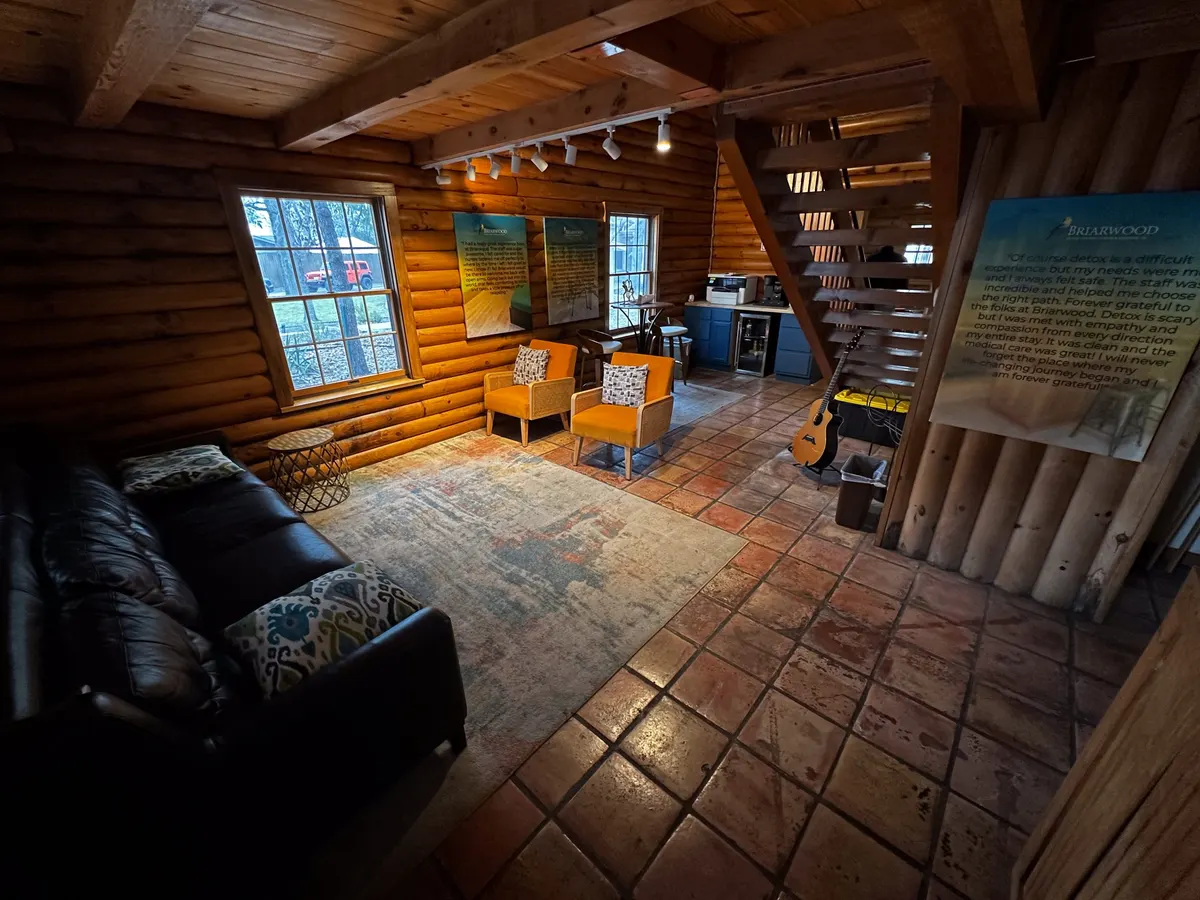
Drug and Alcohol Detox
Our medical detox programs treat all kinds of addictions and are tailored to meet your individual needs. We use a comprehensive assessment to design a personalized detox program that will ensure your comfort and safety throughout the withdrawal process. You’ll also have the opportunity to begin individual and group therapy to address any emotional issues and prepare for the transition into a rehab program. We believe this process provides the best foundation for continued sobriety.

Aftercare Program and IOP
Our Intensive Outpatient and Aftercare programs are designed to assist those who have graduated from our inpatient residential facility. Group sessions are available in Austin and Houston and provide structured addiction treatment sessions and recovery counseling in a safe, clinical setting. The first year of recovery can be difficult, but these support groups provide consistency, accountability, and peer support at a time when it’s needed most.
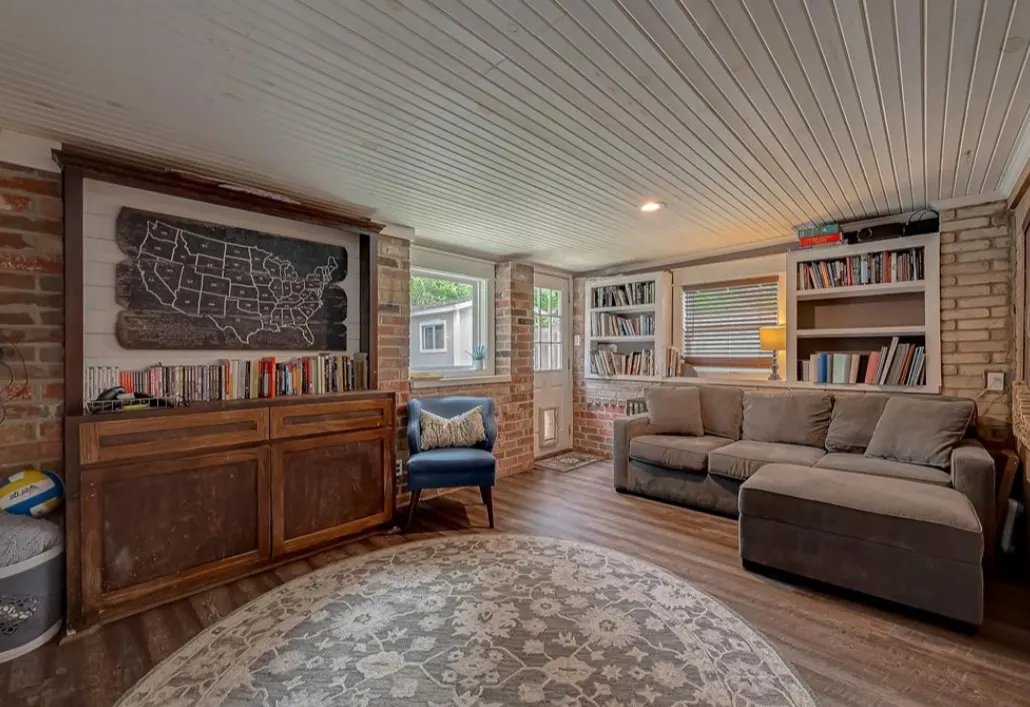
Sober Living Apartments
The transition from a residential rehab center into independent sober life is littered with obstacles. For this reason, we provide sober living homes and support programming for clients who need continued support as they make the transition. With regular drug and alcohol screenings, one-on-one sobriety coaching, and a safe, comfortable place to practice relapse prevention strategies, our sober living program is key to achieving an independent, substance-free life.
Our Drug and Alcohol Rehab Services in Texas
Every substance we cover
Drug and medication guides, A–Z
155 guides covering effects, risks, withdrawal and treatment.
A
- Adderall Addiction: Signs, Effects, and Treatment Options
- Addiction Effects: Short‑ & Long‑Term Impact on Health, Brain, and Life
- Addiction Help: Understand the Effects, and Find Treatment That Works
- Addiction Prevention: Evidence‑Based Ways Individuals, Families, and Communities Can Reduce Risk
- Addiction Recovery: An Evidence‑Based Guide to Getting and Staying Well
- Addiction Resources: Helplines, Treatment Options, and Support Near You
- Addiction Symptoms: How to Recognize the Signs in Yourself or a Loved One
- Addiction Treatment: Evidence‑Based Options, Levels of Care, and How to Start
- Addiction Types: Substance Use Disorders vs. Behavioral Addictions (Complete Guide)
- Air Duster Withdrawal Symptoms and Detox Help
- Alcohol
- Alpha-MT (α-Methyltryptamine): Effects, Risks & Treatment Options
- Ambien Addiction: Side Effects, Withdrawal, and Treatment
- Amitriptyline Withdrawal: Symptoms, Detox, and Treatment
- Anticonvulsants (Antiseizure Medications): Uses, Types, Risks & Safety
- Antidepressant Addiction: Withdrawal, Detox, and Help
- Antipsychotics and Mood Stabilizers: Uses, Differences, Safety & FAQs
- Aripiprazole (Abilify): Uses, Dosage, Side Effects, Long-Acting Injections, and Safety
- Asenapine (Saphris, Secuado): Uses, Dosage, Side Effects, Interactions, and Safety
- Ativan Addiction: Symptoms, Risks, Detox, and Treatment
- Ayahuasca and Its Constituents: Meaning, Effects & Risks
B
- Baclofen
- Barbiturate Addiction: Detox, Withdrawal, and Treatment
- Behavioral Addiction Help: Evidence‑Based Care, Types, Signs & Treatment
- Behavioral Addiction Support Groups: Find Online & Local Meetings
- Behavioral Addiction Treatment
- Behavioral Addictions: Types, Signs, Causes & Evidence‑Based Treatment
- Benzodiazepine
- Brexpiprazole (Rexulti): Uses, Dosing, Side Effects, Interactions, and Safety. A Complete Guide
- Bufotenin (5‑HO‑DMT) & 5‑MeO‑DMT: Effects, Risks & Treatment
- Buprenorphine Withdrawal Symptoms and Treatment
C
- Caffeine: Effects, Risks, Withdrawal, and Addiction
- Cannabinoid Addiction: Withdrawal, Side Effects & Help
- Carbamazepine/Oxcarbazepine: Uses, Differences, Side Effects, Interactions & Safety
- Carfentanil Detox and Addiction Treatment Program
- Cariprazine (Vraylar): Uses, Dosing, Side Effects, Interactions, and Safety
- Causes of Behavioral Addictions: Risk Factors, Brain Science, and How to Lower Your Risk
- Celecoxib (Celebrex, Elyxyb): Uses, Dosage, Side Effects & Interactions
- Celexa Addiction, Withdrawal Symptoms, and Treatment
- Clonazepam Addiction Treatment: Detox, Withdrawal & Recovery
- Clonidine Withdrawal Symptoms and Addiction Treatment
- Clozapine (Clozaril): Uses, Dosing, Side Effects, REMS/ANC Monitoring & Safety Guide
- CNS Depressants: Types, Effects, Risks, and Treatment
- Cocaine Addiction Treatment Programs and Recovery Options
- Complete Guide to Marijuana Addiction and Treatment
- Concerta
- Cyclobenzaprine Side Effects, Detox & Treatment Plan
- Cymbalta Withdrawal and Treatment: What to Expect
D
- Demerol Treatment and Safe Drug Withdrawal Tips
- Dexedrine (Dextroamphetamine): Uses, Dosage, Side Effects & Warnings
- Diclofenac: Uses, Dosage, Side Effects, Warnings & Interactions
- Dilaudid Addiction Treatment and Withdrawal Help
- Disulfiram for Alcohol Addiction: How It Works Safely
- DMT Addiction Treatment: Side Effects & Recovery Options
- Doral Addiction: Detox, Withdrawal, and Treatment Help
E
F
H
I
- Ibogaine Treatment: Addiction Risks, Safety & Alternatives
- Ibuprofen (Advil, Motrin): Uses, Dosage, Side Effects, Interactions & Safety Guide
- Illegal Opioids: What They Are, Risks, Overdose Warning Signs, and Treatment Options
- Illicit Drugs
- Inhalants
- Inhalants: Types, Effects, Risks, Signs & Treatment
- Is Alcohol a Depressant?
- Is Heroin an Opioid?
- Is Tramadol an opiate?
K
L
- Lamotrigine (Lamictal): Uses, Dosing, Side Effects, Interactions & FAQs
- Levetiracetam (Keppra): Uses, Dosage, Side Effects, Interactions & FAQs
- Lexapro Withdrawal: Symptoms, Risks, and Treatment Options
- Librium Addiction: Detox, Withdrawal, and Treatment
- Lithium (Lithium Carbonate): Uses, Dosage, Levels, Side Effects & Interactions
- LSD Use and Dependence: Detox & Side Effects
- Lunesta Addiction Recovery and Withdrawal Treatment Guide
- Lurasidone (Latuda): Uses, Dosing, Side Effects, Interactions & Safety
- Lyrica Addiction: Withdrawal, Detox, and Treatment Options
M
- Magic Mushroom Addiction: Treatment, Detox, and Recovery
- Medication-Assisted Treatment for Embeda Addiction
- Meloxicam (Mobic): Uses, Dosage, Side Effects, Interactions & Safety
- Mescaline & Peyote: Understanding the Sacred Cactus and Its Psychedelic Alkaloid
- Meth Addiction Treatment: Detox and Recovery
- Methadone Addiction Treatment: What You Need to Know
- Mirtazapine Addiction: Withdrawal, Symptoms & Treatment
- Modafinil
- Morphine Addiction Treatment: Detox, Withdrawal, & Rehab
- Muscle Relaxers
N
- Naloxone (Narcan) and Heroin Overdose: What to Know
- Naltrexone Treatment for Alcohol and Opioid Addiction
- Naproxen: Uses, Dosage, Side Effects, Interactions & Safety
- NBOMe Addiction: Detox, Withdrawal & Treatment
- Nicotine
- Nicotine: Understanding Addiction, Effects, and Recovery
- Nonsteroidal Anti‑Inflammatory Drugs (NSAIDs): Uses, Risks, and Safer Alternatives
- Norco Addiction: Symptoms, Withdrawal, and Treatment Options
O
- Ololiuqui and Morning Glory Seeds: History, Effects, and Risks
- Opana Addiction Treatment: Safe Detox and Recovery
- Opioid Addiction: Side Effects, Detox, Withdrawal, and Treatment
- Over the Counter Drugs
- Overcoming Behavioral Addictions: Effects, Symptoms & Recovery Guide
- Overcoming Codeine Addiction: Detox and Rehab Options
- Oxycodone Addiction Treatment and Withdrawal Help
P
- Paxil Withdrawal: Symptoms, Detox, and Treatment Options
- PCP Addiction Treatment: Withdrawal, Detox, and Recovery
- Pentobarbital Addiction Treatment and Recovery
- Percocet Addiction Treatment and Recovery
- Phenibut Addiction: Symptoms, Detox, and Treatment
- Phenobarbital Addiction: Withdrawal and Treatment
- Prescription opioids
- Prescription Sedatives and Tranquilizers
- Prescription Stimulant Addiction: Side Effects & Treatment
- Pristiq
- Prozac Addiction: Symptoms, Detox, and Treatment Options
- Pseudoephedrine Addiction: Symptoms and Treatment
R
S
- Salvia Divinorum: Effects, Legal Status, Risks & Abuse Treatment
- Serax Addiction: Withdrawal, Detox, and Treatment Help
- Signs of Heroin Addiction and Treatment Options
- Soma Addiction: Withdrawal, Detox, and Treatment Help
- Sonata Addiction and Withdrawal Symptoms Treatment Guide
- Strattera Addiction Treatment and Side Effects
- Suboxone Addiction Treatment: Detox and Withdrawal Help
- Synthetic Drugs
T
V
W
Talk to someone today
Ready when you are
Admissions are answered 24 hours a day by a person, not a queue. We will check your benefits for free and tell you what treatment would actually cost.
Free and confidential · No obligation